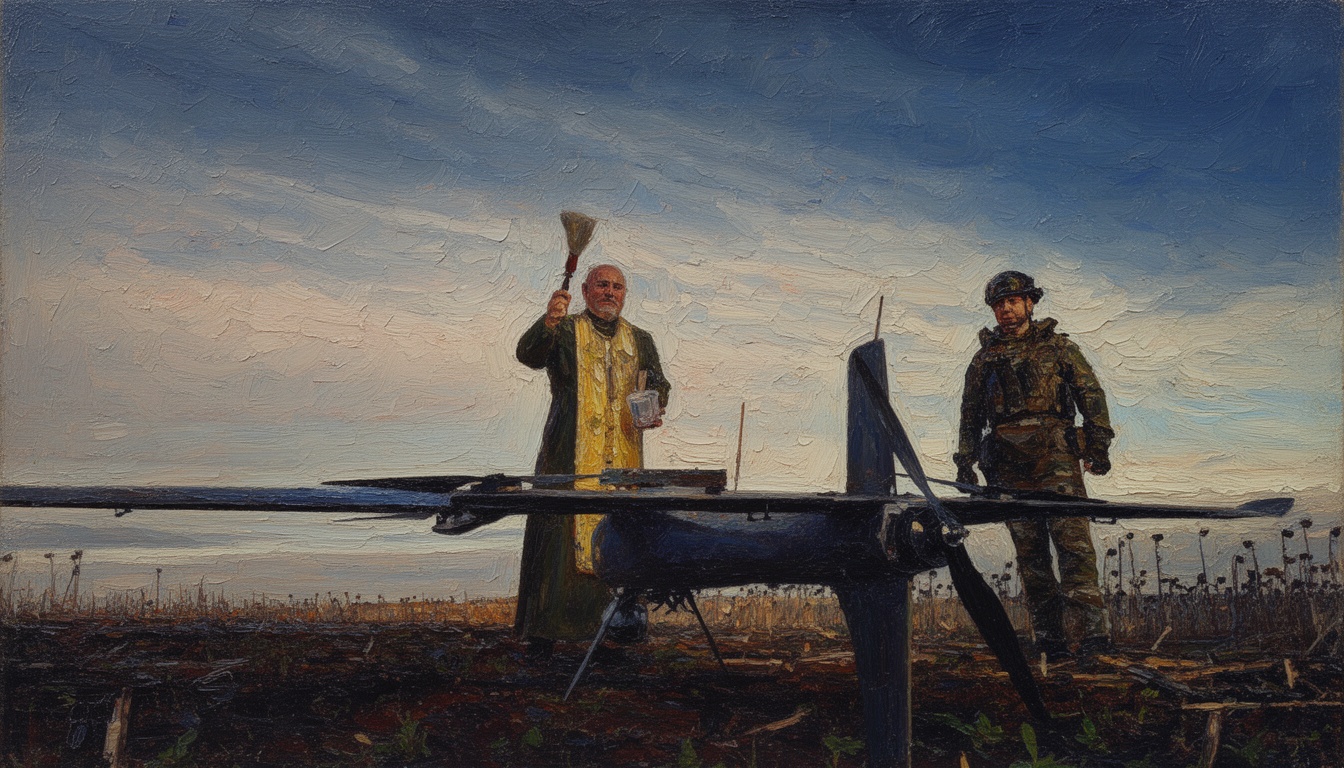
Russia and Ukraine Agree to Orthodox Easter Truce
Russia and Ukraine announce a temporary Orthodox Easter ceasefire, extending from Saturday afternoon to Easter Sunday. The agreement reduces fighting in key sectors and enables humanitarian corridors. Both sides claim the pause will test commitment and reduce civilian harm.
The agreement calls for a temporary Orthodox Easter truce between Russia and Ukraine, effective from Saturday afternoon until Easter Sunday. It aims to pause hostilities along specified fronts and permit limited humanitarian access. Initial statements describe the pause as a test of resolve and a chance to de-escalate in core combat zones.
Background to this development includes a history of sporadic truces and failed pauses since the crisis began. Previous attempts have often collapsed under mutual accusations of violations or renewed artillery exchanges. International mediators have pressed for durable arrangements, but breakthroughs remain fragile and highly situational.
Strategically, the pause affects both sides’ tactical calculus. It offers a breathing space for repairing lines, resupply, and evaluating frontline readiness. Observers warn that a lull could mask intensifying preparations for resumed combat, depending on the political signal and on-ground enforcement.
Technical details indicate the respite covers limited sectors where verified ceasefire observance is feasible. No comprehensive border-wide halt is described; instead, the agreement centers on designated zones and time windows. The parties reportedly plan to monitor breaches with a mix of on-site patrols and established coordination channels.
Forward assessment suggests the truce could either stabilize the situation temporarily or become a catalyst for broader settlement talks. If violations occur, the pause might quickly unravel and provoke a renewed spike in violence. Analysts will watch for broader geopolitical signals from allied powers and for humanitarian access outcomes that could redefine the conflict's trajectory.