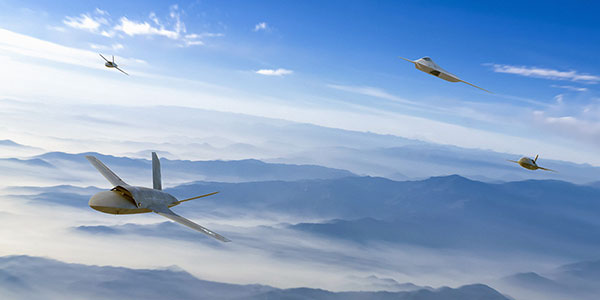
RTX Unveils Sixth-Generation Fighter Technologies for Future Air Dominance
Raytheon Technologies (RTX) has introduced advancements in sixth-generation fighter aircraft, aiming to enhance military air capabilities. This development positions RTX as a pivotal player in next-generation air combat technologies, potentially influencing the global air power landscape.
Raytheon Technologies (RTX) announced the latest developments in sixth-generation fighter aircraft technologies focused on achieving air dominance in future military conflicts. The innovations include advanced stealth capabilities, enhanced sensor systems, and networking technologies designed to integrate seamlessly with existing military fleets while preparing for next-generation warfare scenarios. Specific features highlighted include faster data processing and AI-driven decision-making support for pilots, setting a new standard for air combat effectiveness.
This announcement is strategically significant as sixth-generation fighters represent a substantial leap beyond current capabilities, such as those seen in F-35 and Su-57 platforms. Nations investing in such technologies may gain critical advantages in air superiority, making the development a focal point for global defense strategies. As military competition intensifies in regions like the Indo-Pacific and Eastern Europe, the emphasis on advanced air power is pivotal.
Key players in this arena include major defense contractors like Lockheed Martin, Northrop Grumman, and European consortiums led by Dassault and Airbus. Each seeks to leverage technological advancements to secure contracts with national air forces while addressing evolving threats posed by both state and non-state actors. The motivations are grounded in securing market share in the evolving defense landscape and ensuring national security through enhanced air assets.
The implications of RTX's advancements extend beyond corporate interests, as they may influence strategic alliances and defense budgets worldwide. Countries prioritizing sixth-generation developments are likely to reassess their military frameworks and cooperative defense arrangements, leading to a potential arms race in air technology. This could exacerbate regional tensions, particularly in contested areas like the South China Sea or Eastern Europe, where advanced air capabilities can shift the balance of power.
Historically, major advancements in military aviation have often heralded shifts in geopolitical dynamics. The introduction of jet fighters in the mid-20th century transformed air combat, emphasizing the importance of technological superiority. As global military powers invest in sixth-generation aircraft, a similar transformation may unfold, redefining defense policies and strategies.
Analysts suggest that while RTX’s innovations are promising, the true impact will depend on subsequent partnerships and integration into existing military frameworks. Continued investment in research and development as well as international collaborations will be critical for maintaining a competitive edge in the air domain. The global defense community should closely monitor the outcomes of these technological developments, as they will shape future air combat scenarios substantially.