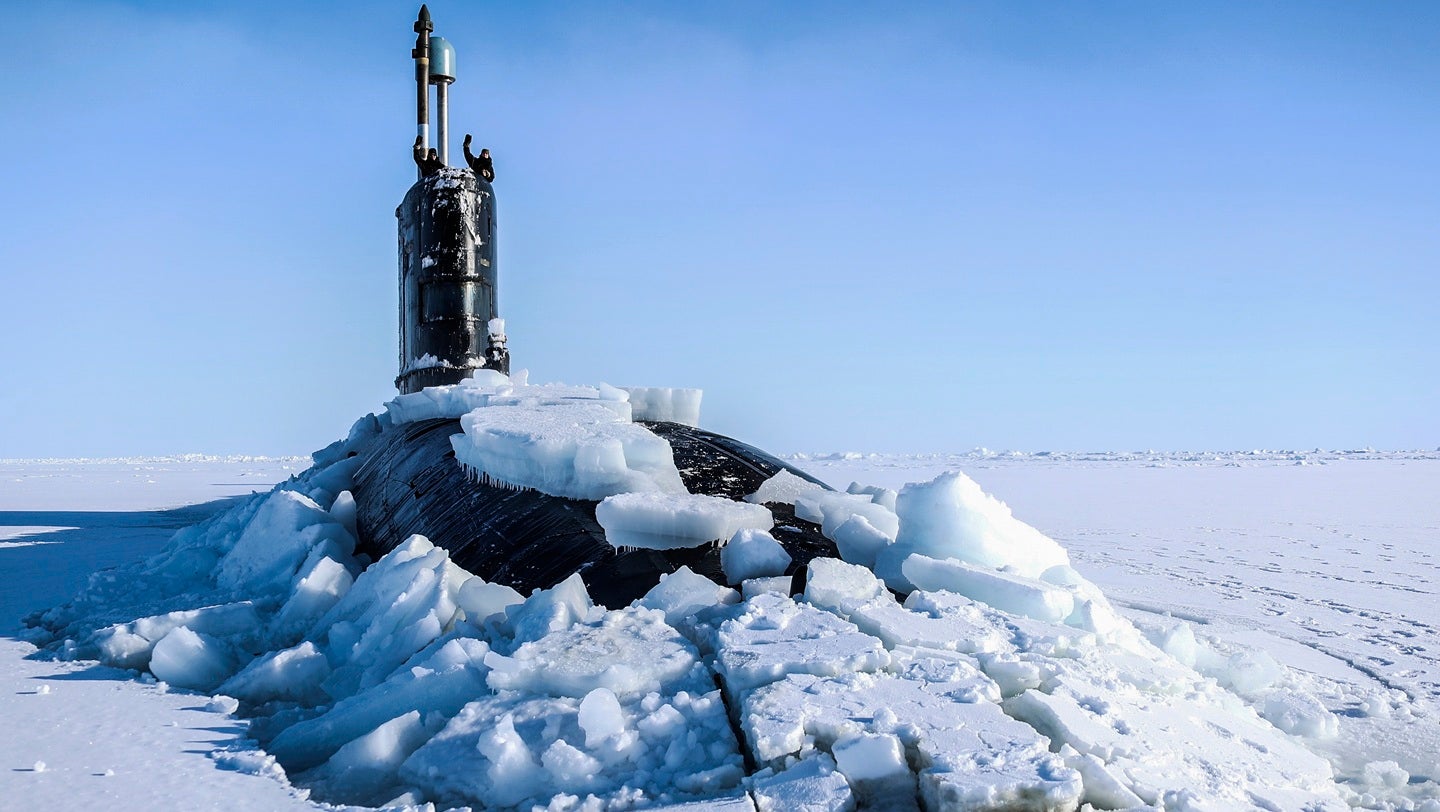
Royal Navy Submarines Fail to Operate Under Polar Ice Since 2018
The UK's inability to conduct under-ice submarine operations raises questions about naval readiness in strategic Arctic regions. This operational deficiency exposes vulnerabilities as ice cap conditions shift and global naval dynamics evolve.
The United Kingdom’s Royal Navy has not conducted any operations beneath polar ice since a breakthrough in 2018, with no indications of future attempts. This operational halt signifies a dramatic shift in the Royal Navy's capabilities and intentions regarding an increasingly contested Arctic region. As geopolitical tensions heighten, the inability to operate under ice could severely limit strategic options in a crucial theater of potential conflict.
Historically, the Arctic has been a battleground for military posturing, particularly with Russia expanding its presence across the region. The UK’s previous operational abilities allowed for strategic surveillance and deterrence against Russian naval activities. However, the Royal Navy's recent neglect of under-ice operations signals a growing capitulation to adversarial developments, directly contradicting commitments to maintain a visible deterrent in sensitive areas.
This failure to operate under ice is significant not just for the Royal Navy but for NATO's collective security. As Russia intensifies its naval capabilities, conducting several strategic exercises in the Northern Sea Route, the UK’s diminished presence in the Arctic could embolden aggressive maneuvers by Moscow. Furthermore, with climate change leading to thinning ice and opening new maritime routes, the strategic imperative for under-ice operations becomes more urgent, not less.
Key players in this scenario include the UK Ministry of Defence, which faces scrutiny over resource allocation and strategic planning. The Royal Navy’s top leadership may prioritize other operations while neglecting polar capabilities, revealing a potentially disastrous miscalculation in the face of evolving threats. Meanwhile, Russian ambitions in the Arctic remain unchallenged as they enhance their icebreaker fleet and deploy advanced missile systems, creating a strategic imbalance in the region.
From a technical perspective, the Royal Navy may grapple with aging submarine technology, potentially hampering ambitions to reinstate under-ice operational capability. Current platforms like the Astute-class submarines, while equipped for complex missions, are encountering operational and maintenance challenges that hinder their efficacy in extreme environments. With significant budget constraints, funds may be allocated elsewhere, further stalling under-ice capabilities.
The consequences of this operational stagnation could manifest in several ways, ranging from diminished influence in Arctic diplomacy to vulnerabilities in UK national security. Such failure could invite aggression from adversaries not only in the Arctic but across other regions where the UK's naval presence is critical. If the UK cannot adapt to new Arctic dynamics, it risks losing strategic footholds as allies may question its commitment to collective security frameworks.
This situation recalls the early Cold War, when the U.S. lagged in submarine warfare against Soviet advancements. The U.S. responded with the development of the Thresher-class submarines, which were capable under ice; a similar response may be necessary for the Royal Navy to regain its footing. Military history demonstrates that failure to invest in critical operational capabilities in a theater of war can catalyze broader strategic failures.
Looking forward, defense analysts should closely monitor UK defense budget allocations and naval modernization plans. Key indicators will include discussions around investment in ice-capable vessels, ongoing military exercises in Arctic conditions, and changes in Russia's military posture in the region. The Royal Navy’s next moves will be pivotal in determining whether it can reclaim operational capability in an increasingly vital maritime environment.