Royal Navy Faces Pressure with £12.3M Kraken USV Contract Awarded
The Royal Navy's transition to a hybrid fleet risks operational effectiveness amid rising threats. The contract to deliver 20 uncrewed surface vessels (USVs) underscores urgent modernization needs in an increasingly contested maritime environment.
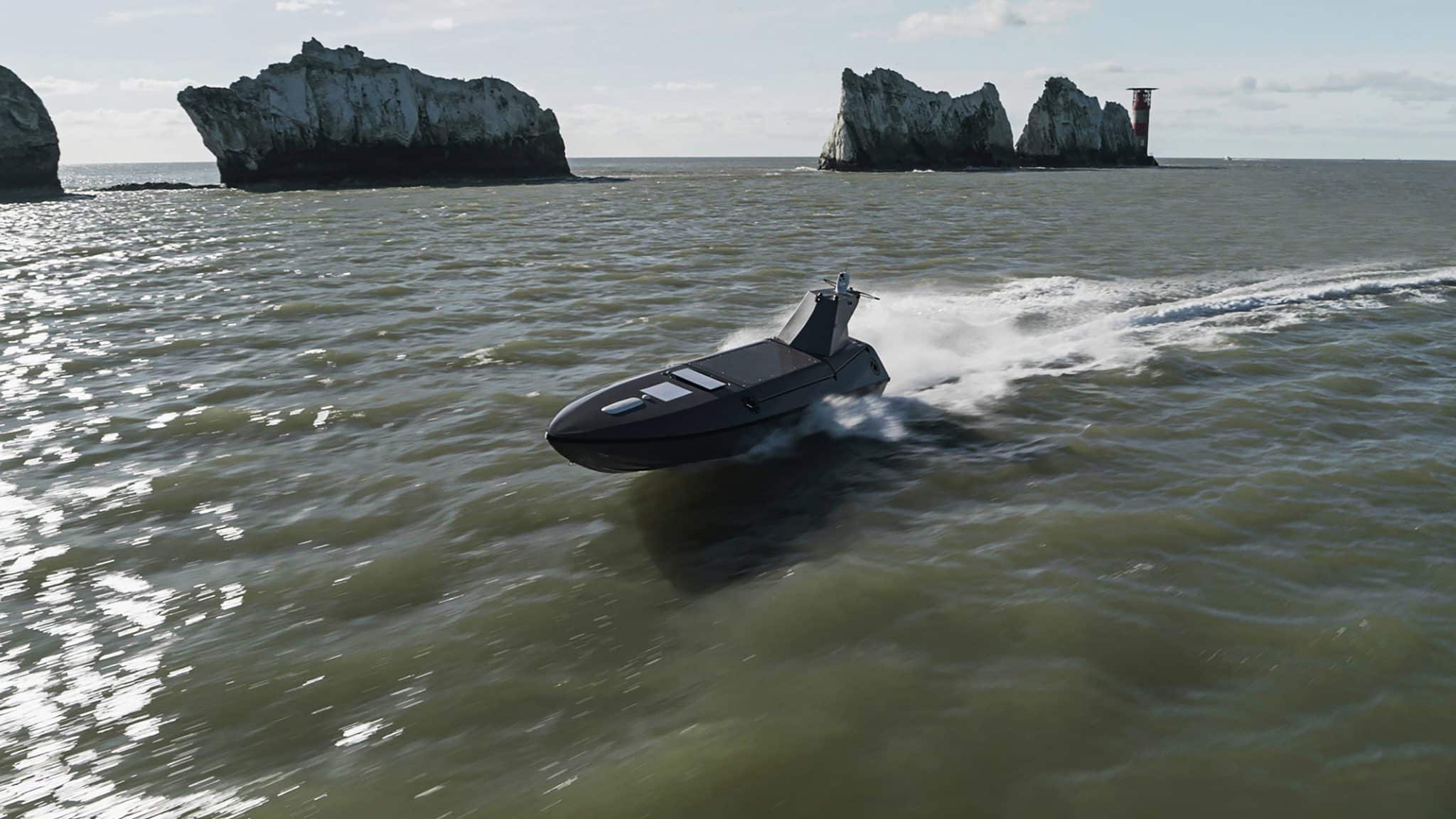
The UK Ministry of Defence has awarded a £12.3 million contract to Kraken Technology Group for 20 uncrewed surface vessels (USVs) as part of Project Beehive. This initiative is positioned as a critical step in the Royal Navy's effort to transition to a hybrid fleet combining manned and unmanned operations. The contract indicates urgent recognition of the need to enhance naval capabilities amid evolving maritime threats.
The Royal Navy has faced increasing pressure to modernize its fleet due to geopolitical tensions, particularly concerning Russian naval activity and China's assertiveness in the Indo-Pacific region. Historically, the Royal Navy has been forced to adapt to a shrinking fleet size, with fewer ships available for traditional deployments while simultaneously addressing non-traditional threats. The integration of USVs represents a strategic pivot to leverage technological advancements in an operational landscape marked by rapid evolution.
This contract is significant as it highlights the pressing vulnerabilities within the Royal Navy’s operational framework. The reliance on outdated platforms against sophisticated adversaries exposes strategic risks that could impact national security. As hybrid warfare increasingly blurs the lines between conventional and unconventional tactics, modernizing naval capabilities is essential for deterrence and operational success.
Key actors in this development include the UK Ministry of Defence, which is under growing scrutiny for its procurement strategies, and Kraken Technology Group, a company specializing in disruptive maritime technologies. While the MOD claims this investment will enhance operational flexibility, critics argue it merely patches over deeper institutional failures in fleet management and procurement that need addressing before real progress can be made.
The USVs being developed include sophisticated operational designs intended for surveillance, reconnaissance, and potentially combat roles. They are part of a broader £600 billion investment plan the UK has committed to over the next decade for defense modernization. As the contract progresses, industry watchers will scrutinize the technical performance and integration of these USVs within the Royal Navy's existing operational frameworks.
The likelihood of escalating operational scenarios involving these USVs raises questions about their effectiveness in real-world applications. As tensions persist in key maritime theaters, the introduction of USVs may provoke adversarial responses or lead to miscalculations in the strategically sensitive environments where they are deployed. The risk of operational clashes increases as the navy tests these unmanned capabilities in contested waters.
This development echoes historical trends seen in earlier naval modernization efforts, particularly during the Cold War era. The introduction of advanced technologies often came with challenges in integrating them effectively into existing fleets, leading to operational misfires and strategic dilemmas. Understanding these precedents might provide insights into potential pitfalls the Royal Navy may encounter as it deploys these USVs.
Intelligence indicators to watch include upcoming trials or demonstrations of the Kraken USVs, potential collaborations with allied navies for joint operations, and monitoring adversarial naval activities in response to UK fleet innovations. Additionally, any shifts in procurement or operational strategies at the MOD will signal how seriously the UK intends to enhance its maritime security.