Royal Navy Conducts First C-ROTV Underwater Survey Trials in Denmark
The Royal Navy has carried out its first at-sea trials of the containerised C-ROTV remotely operated towed vehicle system in Denmark. The tests point to a push for faster, more deployable underwater survey capability that can support naval operations where situational awareness below the surface matters.
The Royal Navy has completed the first at-sea trials of its containerised C-ROTV remotely operated towed vehicle system in Denmark. The effort focused on proving the system during real sea conditions rather than just shore-based evaluation.
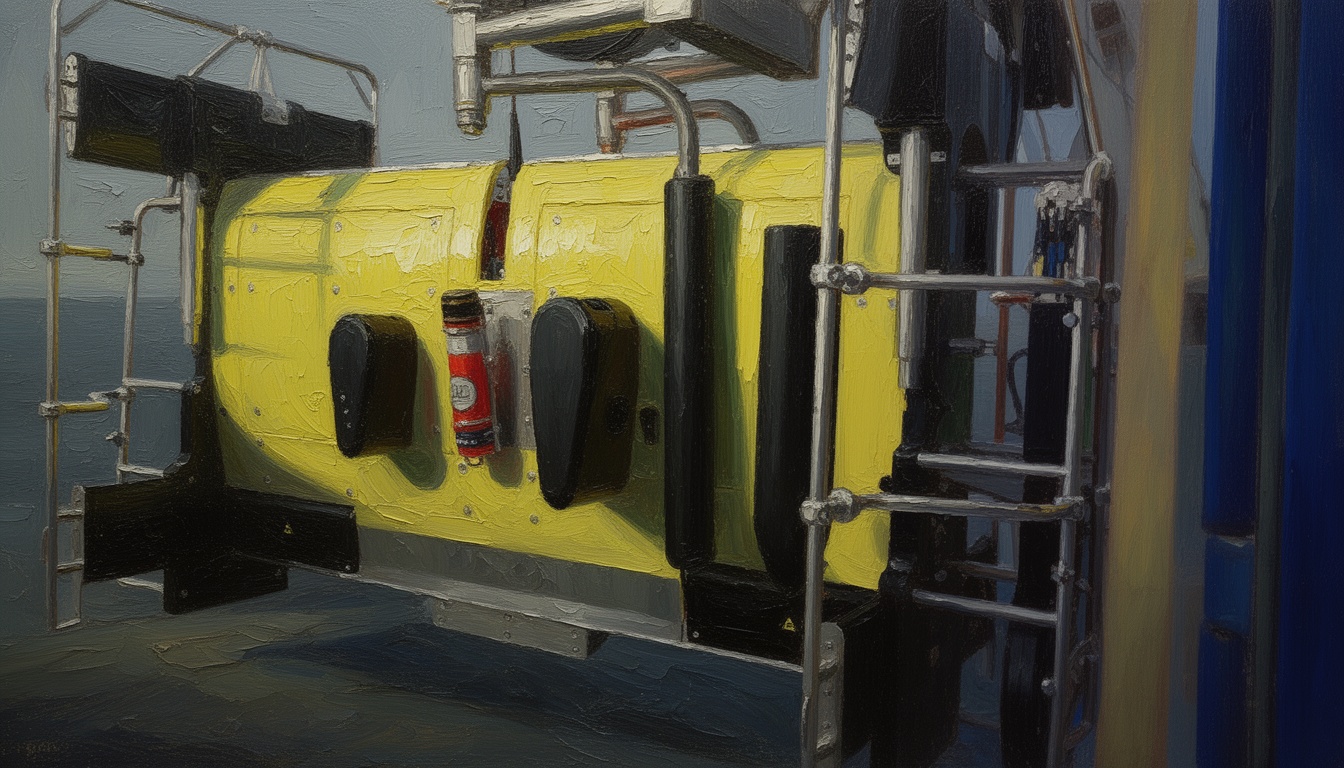
C-ROTV is a remotely operated towed vehicle, built around the idea of deploying an underwater sensor platform from a ship without exposing personnel to direct underwater risk. By packaging the system in a containerised format, the Royal Navy aims to make the capability easier to move, integrate, and operate as missions change.
Underwater survey work has become increasingly central to maritime operations, from mapping tasks to inspection requirements in contested and complex sea areas. A deployable towed platform can also help improve persistence and coverage for crews that need reliable information from underwater environments.
Operationally, the Royal Navy tested the containerised system as a full package during its Denmark trials, described by the source as the first at-sea trials. The report frames C-ROTV as a remotely operated underwater survey tool, meaning the key challenge is successful towing, remote control, and stable performance in the marine environment.
The immediate next step after initial sea trials is continued evaluation to confirm reliability, handling, and repeatable performance across conditions. If further trials validate the concept, containerised C-ROTV-style systems could expand how quickly the Royal Navy fields underwater survey capability alongside existing maritime assets.