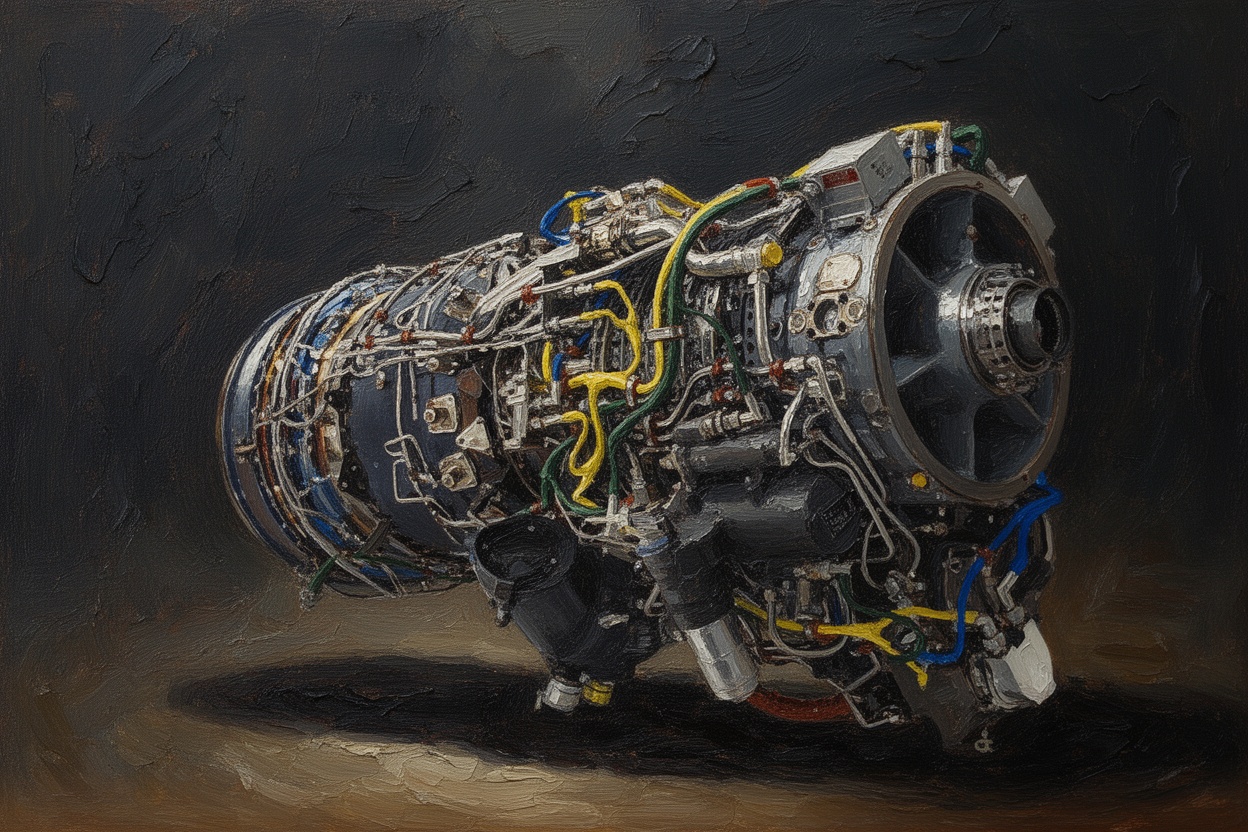
Rolls-Royce AE engines set to power future Army aviation
Rolls-Royce unveils its modern AE engine family as a backbone for emerging U.S. Army platforms, including the MV-75 Future Long Range Assault Aircraft and MQ-25 Stingray. The program signals a shift toward advanced propulsion for next-generation airpower. Analysts weigh implications for supply chains, interoperability, and long-term defense industrial base resilience.
Rolls-Royce is promoting its AE engine family as a cornerstone for next-generation U.S. Army aviation platforms. The emphasis on the MV-75 Future Long Range Assault Aircraft and MQ-25 Stingray showcases a strategic push to standardize higher-performance propulsion across critical fleet segments. This move underscores the Army’s interest in integrating modern powerplants capable of meeting demanding range, endurance, and payload requirements. While the promotion highlights several key platforms, it also signals broader goals for propulsion commonality and lifecycle support across the defense industrial base.
The background to this push includes a continuing emphasis on modernization within Army aviation, with a focus on expanding long-range strike and unmanned aerial capabilities. The AE engines are presented as enabling higher efficiency and reliability, potentially reducing maintenance burden and improving sortie rates. Industry alignment around a new generation of turbomachinery also reflects wider defense trends toward modular, upgradeable power systems. Skeptics will watch for independent testing results and field performance data before drawing conclusions about operational impact.
Strategically, the move strengthens defense industrial competitiveness in propulsion technology. If the AE engines deliver promised gains in thrust density and fuel efficiency, they could influence future platform design choices and contractor competition. The emphasis on both a manned platform (MV-75) and an unmanned asset (MQ-25) hints at a unified propulsion strategy across mixed-asset fleets. This could affect allied interoperability if other nations pursue similar engine architectures in joint programs or offsets.
Technical and operational details remain high-level in promotional materials. The AE family is described as modern, but exact specifications, such as thrust class, specific fuel consumption, or lifecycle figures, are not disclosed in the description. Platform-level integration work—mounting interfaces, control software, and maintenance concepts—will determine the ease of adoption. Analysts will monitor for independent test data, contract awards, and follow-on investments that reveal real-world performance and sustainment implications.
The likely consequences include accelerated modernization timelines for Army aviation and potential changes to supply chain risk profiles for propulsion components. If these engines meet performance targets, they could enable longer-range missions, greater payloads, and improved readiness rates. The broader assessment suggests a shift toward powerplant standardization across platforms, accompanied by increased industrial collaboration and potential export considerations as foreign partners observe U.S. propulsion modernization trends.