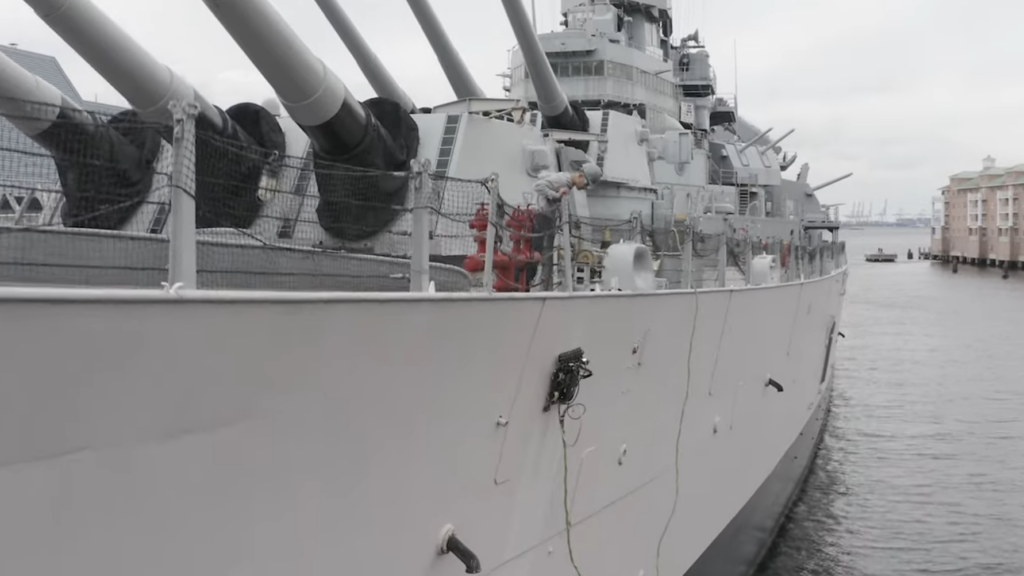
Robot Use Exposes Maintenance Gaps in US Pacific Fleet
Gecko Robotics' deployment on 18 Pacific Fleet ships reveals an urgent need for maintenance amid growing tensions in the Indo-Pacific region. The extensive use of robotic technology indicates significant operational vulnerabilities and potential readiness challenges for the US Navy as strategic pressures mount.
In a move revealing significant maintenance needs, Gecko Robotics has been contracted to deploy its advanced ship-scaling robots on 18 vessels in the US Pacific Fleet over the next nine months. This development underscores potential deficiencies in fleet readiness as the United States faces mounting strategic challenges in the Indo-Pacific region.
Historically, the US Navy’s Pacific Fleet has been a linchpin in maintaining a US presence in a geopolitically tense region, especially amidst China's assertive postures and North Korea's unpredictable behavior. The decision to utilize robots for inspection highlights existing gaps in traditional ship maintenance practices.
This is strategically significant as it implies potential readiness shortfalls in the fleet, which could impact the US's ability to project power and respond effectively to regional threats. This operational adjustment coincides with increased surveillance and military maneuvers by China, further marking an escalation in regional dynamics.
The key actors involved include Gecko Robotics, tasked with bringing its innovative technology to a traditionally labor-intensive Navy process. The US Navy aims to enhance efficiency and precision in identifying repairs, but this also suggests critical manpower and procedural deficits.
Gecko's robots are equipped with state-of-the-art non-destructive testing technologies, capable of identifying structural weaknesses that may not be visible through human inspections. This technology allows for more detailed assessments but also points to previously unidentified issues.
The likely consequences include a reevaluation of US naval maintenance protocols and an urgent push to rectify any operational readiness gaps identified by these inspections. Any delay in addressing these issues could weaken the US strategic position in a rapidly evolving regional security landscape.
Historically, such operational assessments have led to overhauls in naval management and policy, as evidenced by previous maintenance crises that prompted broader reforms within the Navy’s strategic operations.
Moving forward, intelligence analysts should watch for changes in US naval deployment patterns and any reported outcomes from Gecko Robotics' assessments. Significant findings could influence future procurement and maintenance strategies, as well as affect the US's posture in international engagements.