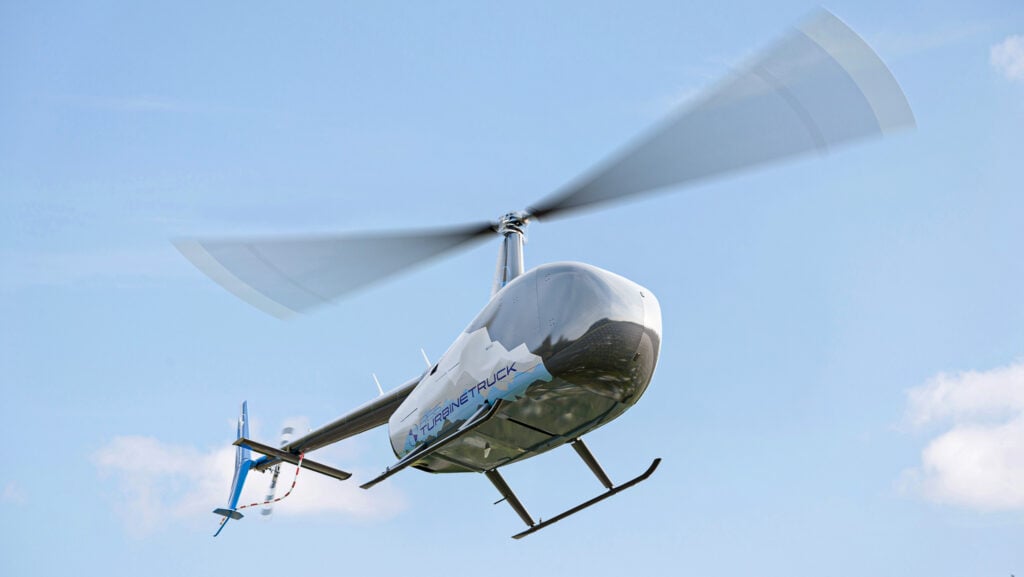
Robinson Helicopter Faces Drone Arms Race, Acquires Ascent Aerosystems
Robinson Helicopter’s move to establish an unmanned division reveals the intensifying competition in military drone technology. The acquisition of Ascent Aerosystems underscores a strategic pivot amidst growing global demand for advanced aerial warfare capabilities.
Robinson Helicopter has escalated its engagement in the military drone sector by launching a new unmanned division after acquiring Ascent Aerosystems, known for its advanced drone technology. This decision places Robinson firmly in a competitive landscape where small unmanned aerial vehicles (UAVs) are rapidly becoming essential in modern warfare. The acquisition permits Robinson to penetrate the growing drone market, capitalizing on the rising military investments in unmanned technologies.
Historically, Robinson Helicopter has primarily focused on conventional rotorcraft, with limited forays into unmanned aircraft. This pivot comes during a period of heightened competition among military contractors, with nations increasingly integrating drones into their defense strategies. As militaries worldwide, including the U.S., China, and Russia, accelerate their UAV development programs, firms like Robinson must adapt to avoid obsolescence in a field characterized by rapid technological evolution and increasing operational demands.
The significance of this acquisition extends beyond mere product expansion; it signals a broader shift in military capabilities toward unmanned systems, which offer tactically advantageous features such as reduced operational risk and increased persistence on the battlefield. The strategic landscape reveals a race for dominance in drone technology, with countries adapting their defense postures to include swarming tactics and remote combat operations.
Key players such as the U.S. Department of Defense are pushing for advanced drone applications, recently indicating that they favor competition amongst developers to boost innovation. By acquiring Ascent, Robinson not only gains access to cutting-edge drone designs but potentially positions itself as a vital supplier for defense contracts amid tightening budgets and the need for cost-effective operational solutions.
Ascent Aerosystems specializes in small drones that are lightweight and adaptable, with specific models capable of vertical takeoff and landing. The technology involved is vital for modern military applications, as these devices often feature advanced payload systems and resilient design critical for battlefield operations. Reports suggest the DoD is ramping up funding for drone acquisition, with estimates nearing $40 billion in the coming fiscal years.
Potential consequences of this merger could precipitate a notable shift in market dynamics, challenging established UAV manufacturers who currently dominate the field. Robinson’s entry could incite further acquisitions or partnerships across the industry as companies seek to shore up competitive advantages. As military conflicts increasingly emphasize drone capabilities, the demand for innovative solutions will likely surge.
Historically, the drone evolution mirrors previous pivotal moments in warfare technology, such as the introduction of jet aircraft in the mid-20th century. The competition for supremacy in UAVs has the potential to redefine traditional military strategies as nations observe the success of drone operations in various theaters across the globe.
In terms of future developments, observers should monitor Robinson's strategic roadmap for project timelines, potential collaborations, and Defense Department contracts. The significance of drone technology in forthcoming military engagements makes this a pivotal juncture, positioning Robinson Helicopter as a key player in an increasingly unmanned future of warfare.