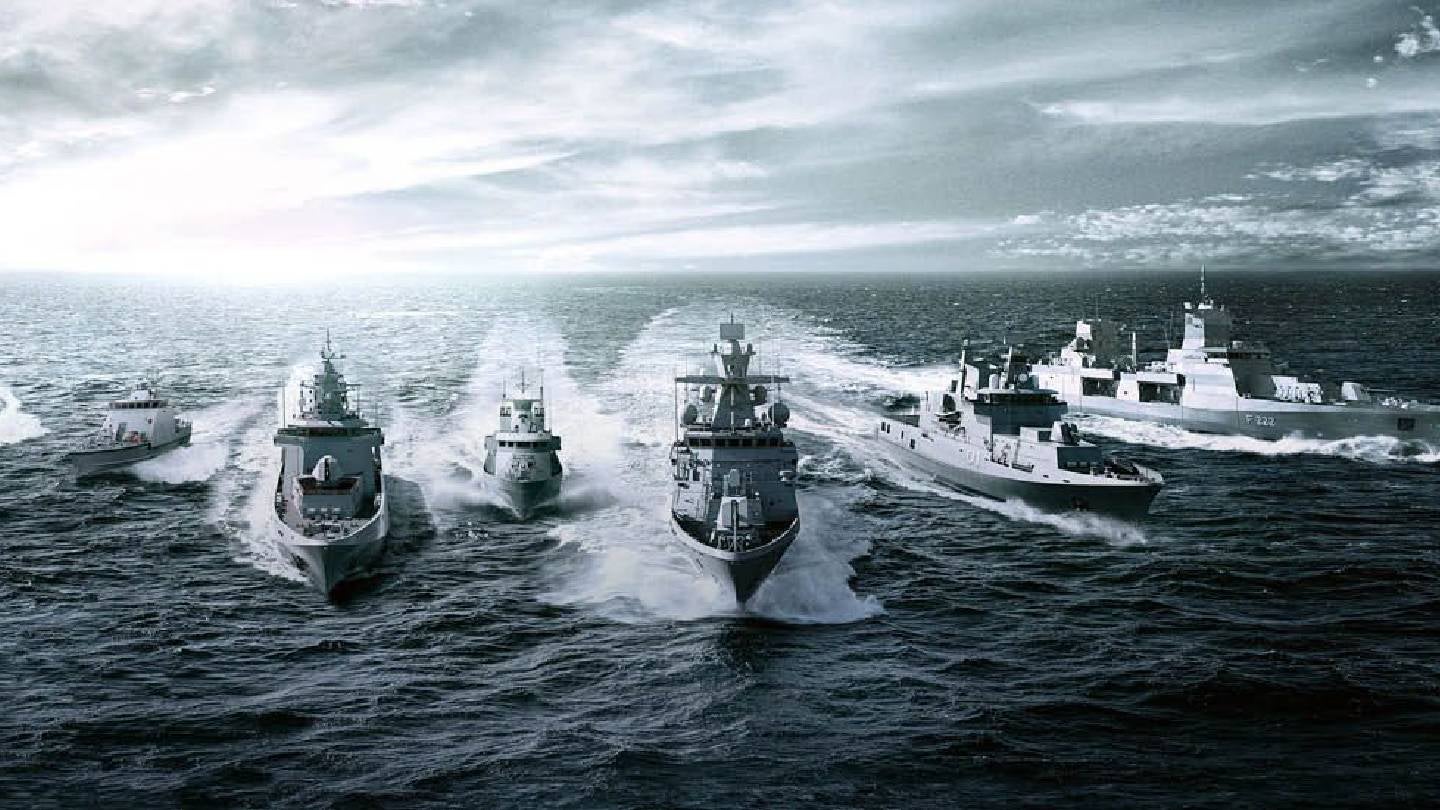
Rheinmetall's Acquisition of Shipbuilder NVL Signals Military Industrial Shift
Rheinmetall's acquisition of Naval Vessels Lürssen enhances its naval capabilities, reflecting a significant consolidation in Europe’s defense sector. This move raises potential concerns over competition and military readiness amid rising global maritime tensions.
Rheinmetall has completed its acquisition of Naval Vessels Lürssen (NVL), a pivotal step in its strategy to enhance naval military capabilities. This move finalizes Rheinmetall’s control over the military shipbuilding unit of the well-established Lürssen Group, marking a shift in Germany's maritime defense landscape. The full details of the deal, including financial specifics, remain undisclosed, but the implications are significant for both the German and European defense industries.
The acquisition comes at a time when European defense firms are strategically consolidating in response to increasing threats from regional adversaries and the ongoing push for greater military autonomy within the EU. Germany has faced mounting pressure to increase its military readiness, underscored by recent geopolitical events and the renewed emphasis on naval power in European defense policy. NVL's expertise in constructing advanced surface vessels aligns with Rheinmetall's broader ambitions to expand its portfolio into naval warfare.
This acquisition is significant as it potentially shifts the balance of military capabilities in Europe. As nations like Russia and China expand their naval fleets aggressively, Germany's strengthened shipbuilding capacity could improve collective European defense measures. However, the consolidation could also reduce competition within the sector, raising concerns among smaller shipbuilders and their ability to contribute to national defense.
Key players in this acquisition include Rheinmetall, a leading German defense contractor known for its expertise in land systems, and Lürssen Group, traditionally focused on luxury yachts but now pivoting towards military applications. Rheinmetall aims to integrate NVL's advanced ship design technologies and production capabilities into its existing military solutions, enhancing its offerings in naval warfare while responding to growing demand for modern warships.
Operationally, Rheinmetall and NVL are likely to enhance their offerings of military vessels such as corvettes and frigates, potentially leading to new contracts with the German Navy and other NATO allies. This shift aligns with the broader trend within NATO to modernize and augment naval capabilities in light of increasing maritime security threats. Rheinmetall's investment in NVL could also prompt government subsidies or contracts, improving their competitive edge.
The consequences of this acquisition could see immediate impacts on naval procurement processes and defense policy in Germany and the wider EU. As Rheinmetall integrates NVL, early signs will indicate whether this leads to increased efficiency or stifles innovation due to reduced competition. The potential for escalated naval production and cooperative projects with EU partners could also arise, creating new geopolitical dynamics in regional security.
Historically, defense consolidations have faced criticism for potentially monopolistic behavior, especially when national security is interlinked with industrial capabilities. A precedent includes the merger of Northrop Grumman and Litton Industries in the US, which raised concerns about reduced competition. The outcome of Rheinmetall's acquisition may provoke similar discussions around the balance between capacity building and maintaining a diverse industrial base in defense.
Looking forward, stakeholders should monitor Rheinmetall's strategic moves in integrating NVL's assets and capabilities. Intelligence indicators include any new procurement announcements from Germany's Ministry of Defense regarding naval assets, performance outcomes from joint projects, and reactions from smaller shipbuilders in the sector. The ramifications of this acquisition could influence not only Germany’s defense posture but also broader European maritime strategies in the years to come.