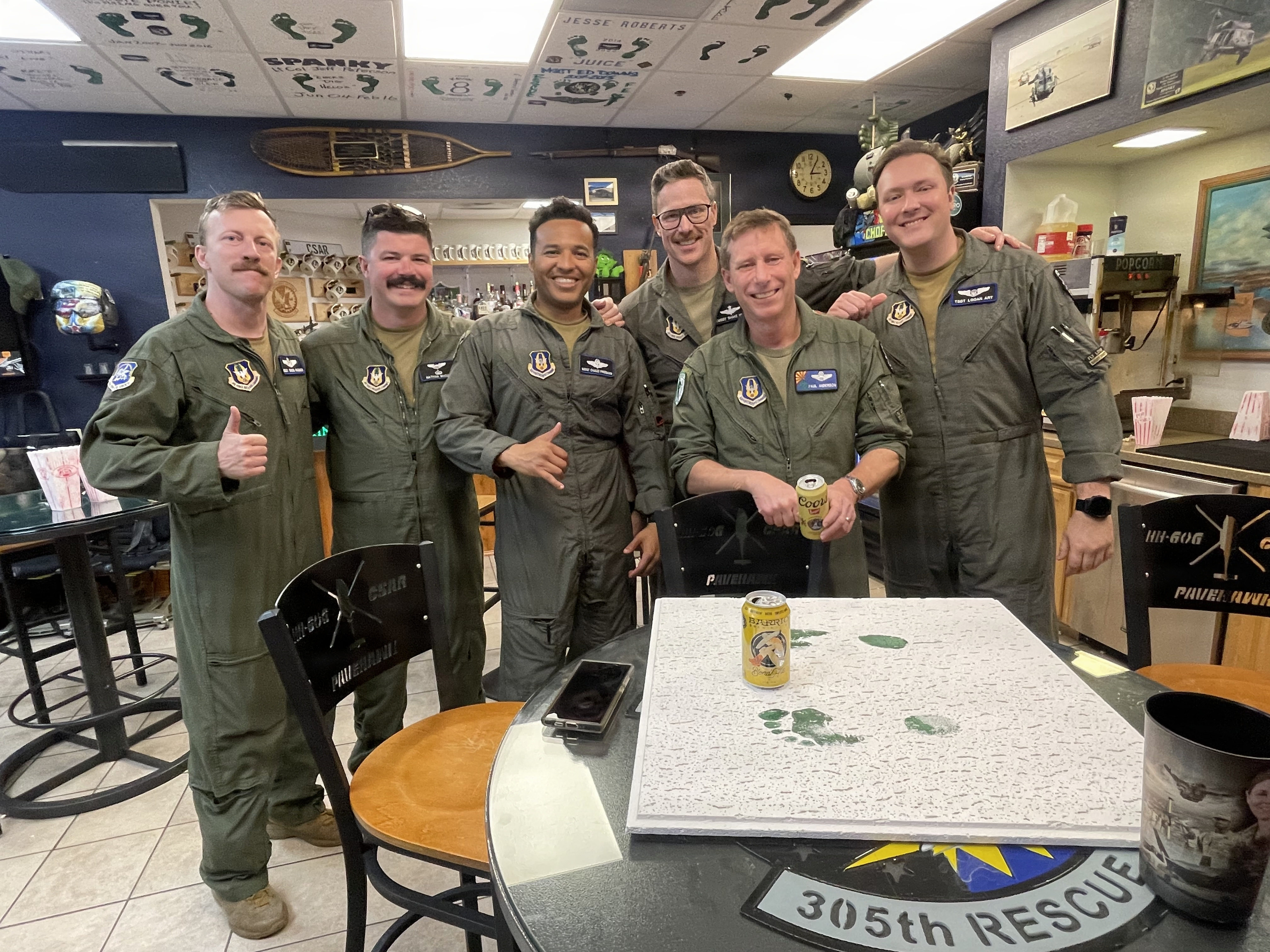
Rescue Pilot Exits Service With Unmatched Flight Record, Raises Alarm Over Future Staffing
The departure of a record-breaking rescue pilot highlights significant vulnerabilities in critical aviation roles. His unprecedented 36 years of service, marked by flying over 1,000 hours more than his nearest rival, raises urgent questions about recruitment and retention in an increasingly strained sector.
A legendary rescue pilot has concluded 36 years of service with an astonishing log of flight hours, having amassed over 10,000 hours—1,000 more than any other helicopter pilot in history. This extraordinary milestone not only underscores his individual dedication but also shines a light on growing staffing challenges within rescue operations worldwide as experienced personnel retire.
For decades, this pilot has been at the forefront of search-and-rescue missions, responding to urgent callouts in increasingly treacherous and complex environments. His experience, especially in high-stakes operations, is irreplaceable. As he departs, the concerns are palpable; organizations that rely heavily on experienced pilots are facing a dwindling workforce capable of handling high-pressure rescues, especially as global aviation demands continue to grow.
The retirement of such a seasoned pilot exacerbates vulnerabilities in emergency response capabilities. As countries around the world encounter rising disaster scenarios—from natural calamities to humanitarian crises—the lack of trained personnel equipped to respond quickly and efficiently can lead to higher casualty rates and prolonged response times.
Key stakeholders, including defense organizations and aviation agencies, must now prioritize recruitment and training programs to fill the gap left by this pilot. The motivations to retain experienced pilots are clear: amid a global staffing crisis, experienced personnel are critical for maintaining operational readiness and effectiveness during emergencies.
The technical specifications of rescue helicopters have advanced significantly, with models like the Sikorsky S-92 and AW139 now standard in many operations. However, no amount of modern technology can replace the intuition and seasoned judgment of an experienced pilot in life-threatening situations. The dwindling numbers of qualified aviators pose a direct challenge to safety and efficiency.
The fallout from this retirement could be severe, particularly if other veteran pilots follow suit in the near term. Organizations must also prepare for public scrutiny, as any failures in emergency response owing to pilot shortages can lead to reputational damage and reduced public trust.
Historically, similar trends have been observed in military aviation during peacetime buildups, where the loss of seasoned instructors led to a generation of less experienced pilots. The current situation may serve as an alarming precursor to another such cycle in the realm of rescue services.
Moving forward, vigilance is required as this sector grapples with recruitment outreach and retention strategies. Intelligence indicators include the number of new pilots trained, changes in rescue operation protocols, and shifts in public-private partnerships aimed at bolstering aerial first response capabilities.