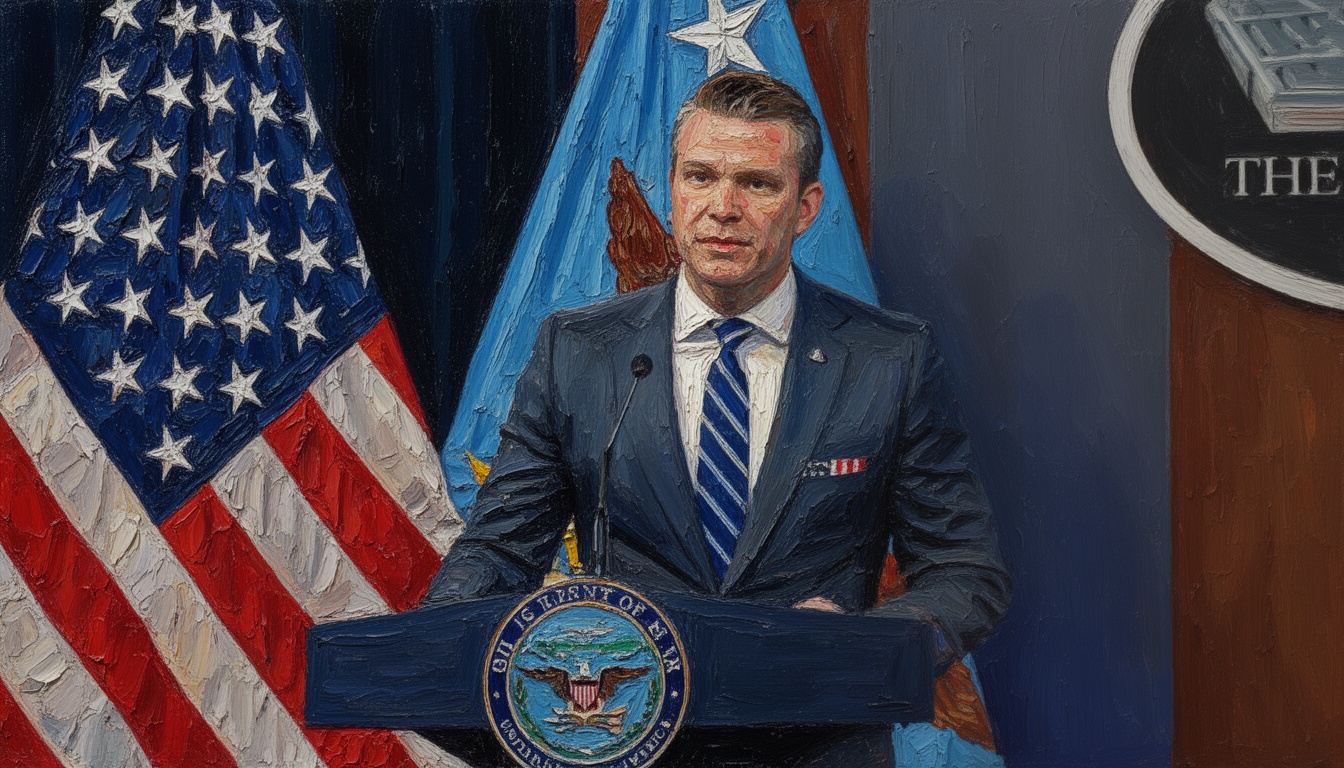
REPLAY: US Defense Secretary Pete Hegseth leads press conference on Iran war
The US signals a sustained port blockade of Iran and renewed strikes if Tehran rejects a deal. The confrontation sharpens as Washington ties any agreement to coercive punishments and warns of targeted infrastructure attacks. The move risks widening a regional crisis with global energy and security implications.
The core development is blunt: a US defense secretary publicly promises a blockade of Iranian ports for as long as necessary, and ties it to renewed strikes if Tehran refuses a deal. The statement marks a clear escalation in rhetoric and signals a willingness to employ maritime coercion to force Tehran into concessions. It frames sanctions and naval pressure as central to pressuring Iran toward terms the US deems acceptable. This is a high-stakes exchange that risks transforming a diplomatic dispute into a kinetic confrontation at sea and in surrounding airspace.
Historically, tensions between the US and Iran have swung between diplomacy and coercive pressure, with maritime interdiction and sanctions playing recurring roles. In recent years, Iran has diversified its coastal logistics and naval activity to deter blockades, while regional partners have adapted their own force postures to preserve trade routes. The current moment follows a pattern of signaling designed to shape Tehran’s calculations ahead of any potential negotiations. The rhetoric underscores a preference for coercive leverage over patient diplomacy.
Strategically, the move heightens risk to Gulf security and global energy flows. A sustained blockade would threaten crude and refined product movements through the Persian Gulf and wider Indian Ocean corridor, with potential spillover into shipping insurance costs and commodity markets. It also tests regional power dynamics, inviting responses from Iran’s allies and proxies. The broader balance of power in the region could tilt toward deterrence threats rather than conventional diplomacy, complicating future negotiations.
Operationally, the rhetoric implies intensified port surveillance, naval patrols, and coordinated interdiction planning. Even without immediate kinetic action, blocking Iranian ports would require a coalition mechanism, rules of engagement, and legal justification under international maritime law. The US claim of “as long as it takes” signals readiness to sustain economic pressure, while threatening strikes against infrastructure targets if Tehran rejects the deal. Analysts should watch for shifts in allied participation, and any signaling from Tehran about redlines or potential concessions.
Forward assessment suggests a dangerous new phase where diplomacy competes with coercive maritime power. If Tehran perceives a narrowing set of acceptable terms, it may choose to resist and endure sanctions rather than concede. Conversely, a crafted agreement could de-escalate the maritime contest but leave long-term security dilemmas unresolved, including Iran’s strategic messaging and regional influence campaigns.