Rep. Wittman Pushes Army Modernization, Defense Policy Shift
Representative Rob Wittman outlines critical Army modernization efforts and stronger Department of Defense coordination in preparation for the next National Defense Authorization Act. His priorities signal significant shifts in procurement and repair policies, potentially impacting U.S. and allied military readiness.
Representative Rob Wittman, a key Congressional figure, emphasized the urgent need for accelerated Army modernization and enhanced cooperation between Congress and the Department of Defense (DoD) in a recent interview. He highlighted that the upcoming National Defense Authorization Act (NDAA) will reflect these priorities, focusing on operational readiness and technological upgrades.
Wittman discussed his support for expanding the "right to repair" policies within military equipment maintenance, aiming to reduce dependence on original manufacturers and improve logistical autonomy. He also called for increased funding and legislative clarity to streamline modernization programs, ensuring the Army remains competitive against global adversaries.
This push represents a strategic repositioning within U.S. defense policy, signaling intent to bolster force readiness and reduce bureaucracy surrounding military hardware repairs. Such reforms could enhance U.S. allied interoperability, as partners might adopt similar frameworks for equipment maintenance and upgrades.
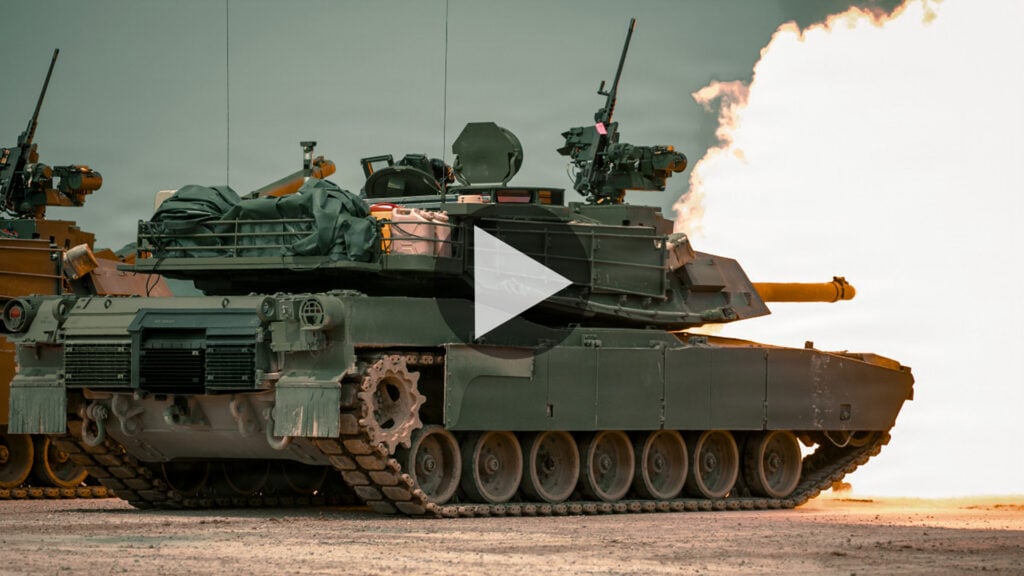
Wittman outlined technical details involving potential investment increases in cutting-edge systems like artificial intelligence integration, advanced armored vehicles, and networked battlefield communication tools. These initiatives align with global defense trends emphasizing speed, resilience, and technological edge.
Looking forward, Wittman’s proposed direction suggests a more agile, cost-effective Army better positioned to respond to emerging threats. His advocacy for the right to repair may catalyze a broader defense industrial base transformation with significant geopolitical ramifications including supply chain security and alliance cohesion.