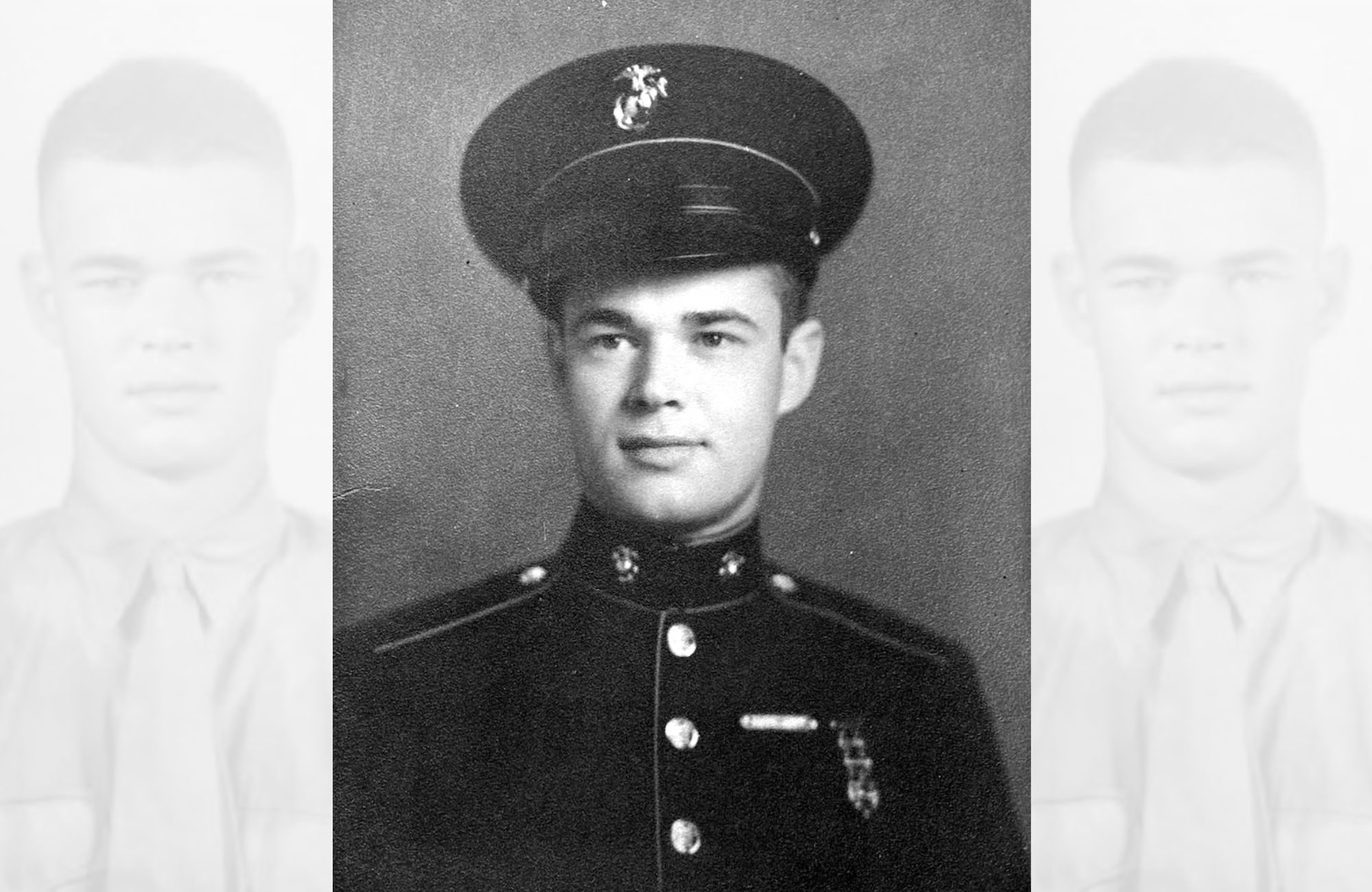
Remains of WWII Marine Raider Identified After 80 Years; Historical Conflict Legacy Renewed
The identification of Pfc. Norton Retzsch underscores the enduring repercussions of WWII conflicts. This news amplifies the historical significance of the Pacific Theater and the unresolved fates of many servicemen.
The remains of Pfc. Norton Retzsch, a Marine Raider who went missing in action during World War II, have been identified 80 years after he was killed in the Battle of Enogai on July 9, 1943. This identification follows extensive efforts by U.S. military recovery teams to locate and identify the remains of American servicemen lost during the brutal Pacific campaigns.
The Battle of Enogai was part of the United States’ larger island-hopping strategy aimed at regaining control of the Solomon Islands from Japanese forces. Retzsch was serving with the 4th Marine Raider Battalion, which was instrumental in conducting high-risk operations against entrenched Japanese positions. The campaign resulted in significant American casualties and is a stark reminder of the ferocity of warfare in this theater.
The identification of Retzsch's remains is significant for several reasons. It highlights the long-lasting impact of World War II on modern military and governmental approaches to conflict resolution and commemorative efforts. Furthermore, it sheds light on the unresolved issues surrounding servicemen who were previously unaccounted for, emphasizing the need for ongoing vigilance and respect for those who served.
Key actors in this identification process include the Defense POW/MIA Accounting Agency (DPAA) and various historical preservation organizations. Their motivations extend beyond simply identifying remains; they aim to provide closure to the families affected by the loss of their loved ones, as well as to uphold the United States' commitment to honor those who served. This identification also serves to strengthen national identity and historical awareness.
Retzsch's remains were found with personal effects that connected him to the 4th Marine Raider Battalion, a unit known for their brutal effectiveness in combat. The identification process included DNA analysis, which confirms actual lineage, corroborating historical documentation of service members who were reported missing. Such technical approaches highlight the advances in forensic science that can finally provide answers decades after the fact.
The likely consequence of this identification is increased momentum behind efforts to recover more missing servicemen from WWII and other conflicts. This also raises ethical questions about how nations should commemorate those lost in conflicts that continue to hold relevance. Public interest may be renewed, leading to a broader reassessment of military strategies and historical narratives surrounding the Pacific Theater.
Similar historical precedents are found in the aftermath of the Vietnam War, where identification projects continue to engage families and honor unresolved histories. The emotive power of such identifications not only serves to acknowledge the sacrifices made during war but also reinforces national narratives about valor and sacrifice.
Looking forward, observers should monitor ongoing recovery efforts by military agencies, particularly in the Pacific region where many servicemen remain unaccounted for. Enhanced technological methods and increased funding for recovery projects could signal a renewed commitment to addressing these historical injustices in the years to come.