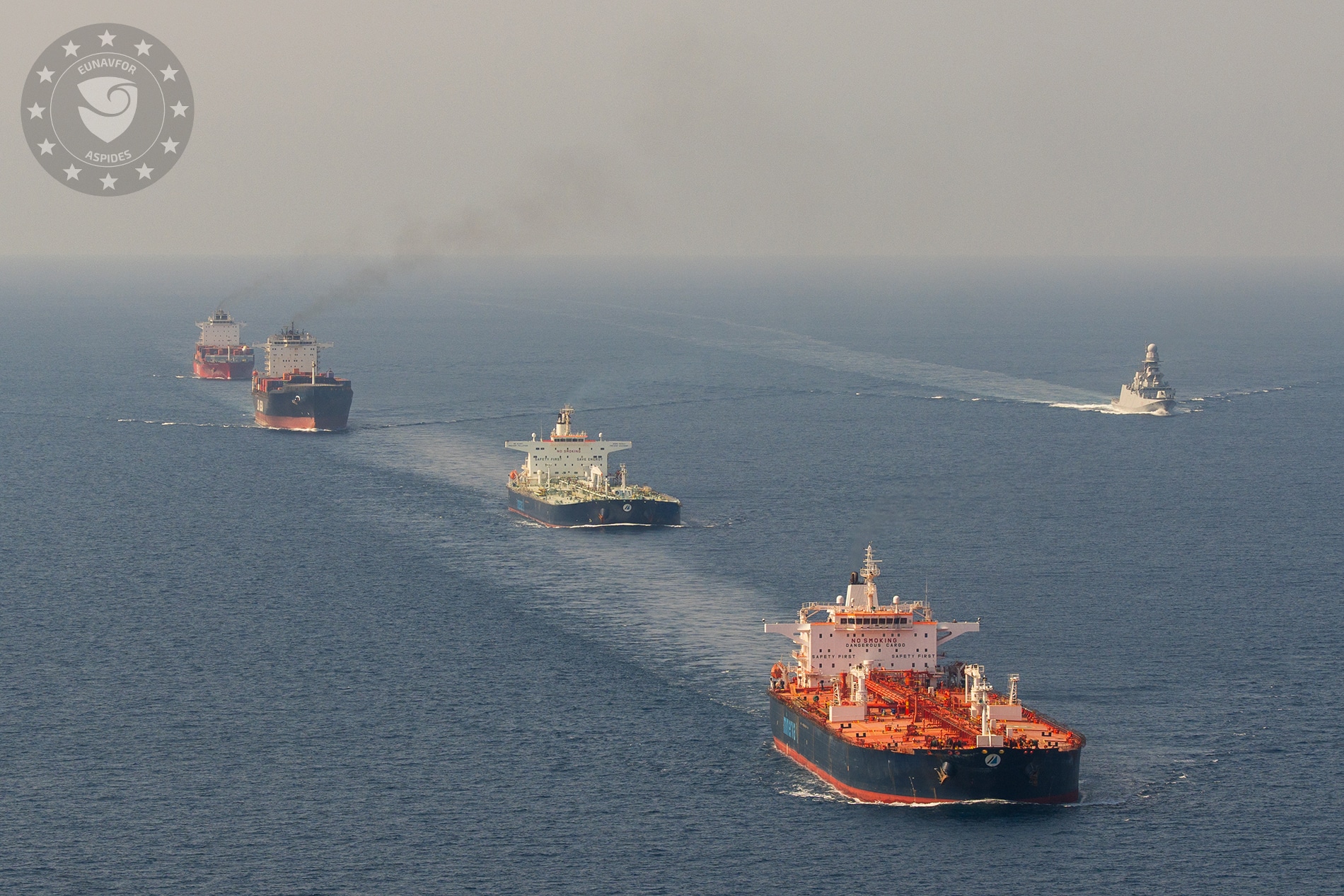
Red Sea Tensions Escalate: Western Navies on High Alert
The Red Sea has become a hotspot for asymmetric attacks on maritime trade routes, prompting a military reevaluation from Western navies. Defense chiefs warn of an urgent need for enhanced maritime security strategy as risks to global shipping routes intensify.
Asymmetric attacks on both commercial and naval vessels in the Red Sea have escalated tensions in one of the world's critical maritime corridors. These incidents, highlighted at the Paris Naval Conference, have put Western navies on high alert as they seek to counter the growing threat posed by non-state actors and unconventional warfare at sea.
The Red Sea has long been a vital artery for global trade, connecting the Mediterranean with the Indian Ocean. Its strategic importance has made it a focal point for geopolitical power struggles, particularly as regional actors assert influence over critical shipping lanes. Recent attacks underscore the vulnerabilities inherent in this maritime domain.
Western naval leaders, attending the recent conference in Paris, emphasized that the ability to respond rapidly to threats is no longer a hypothetical necessity but a strategic imperative. The evolving nature of maritime threats demands robust deterrent capabilities and stronger multilateral cooperation.
Regional actors involved include nations such as Iran and Yemen, where proxy conflicts have implications beyond their borders. Motivated by control and disruption of vital shipping routes, these actors are leveraging unconventional tactics to test Western maritime defenses.
Technically, the incidents have involved armed attacks by smaller vessels and drone threats, challenging larger naval forces to adapt their operational strategies. Investing in advanced surveillance and rapid response systems has become a priority.
The implications of these developments are significant. Increased hostilities in the Red Sea could lead to a destabilized global shipping environment, heightening risks not only to commercial vessels but also potentially escalating into a broader regional military confrontation.
Historically, the Red Sea has been a scene of strategic battles. This latest series of incidents echoes past tensions seen during the Iranian Hostage Crisis in 1980, when maritime security was a critical issue.
Looking ahead, monitoring the political movements of regional powers and developmental shifts in their naval capabilities will be essential. Western military intelligence must watch for any signs of mobilization or further conflict escalation that could imperil vital global trade routes.