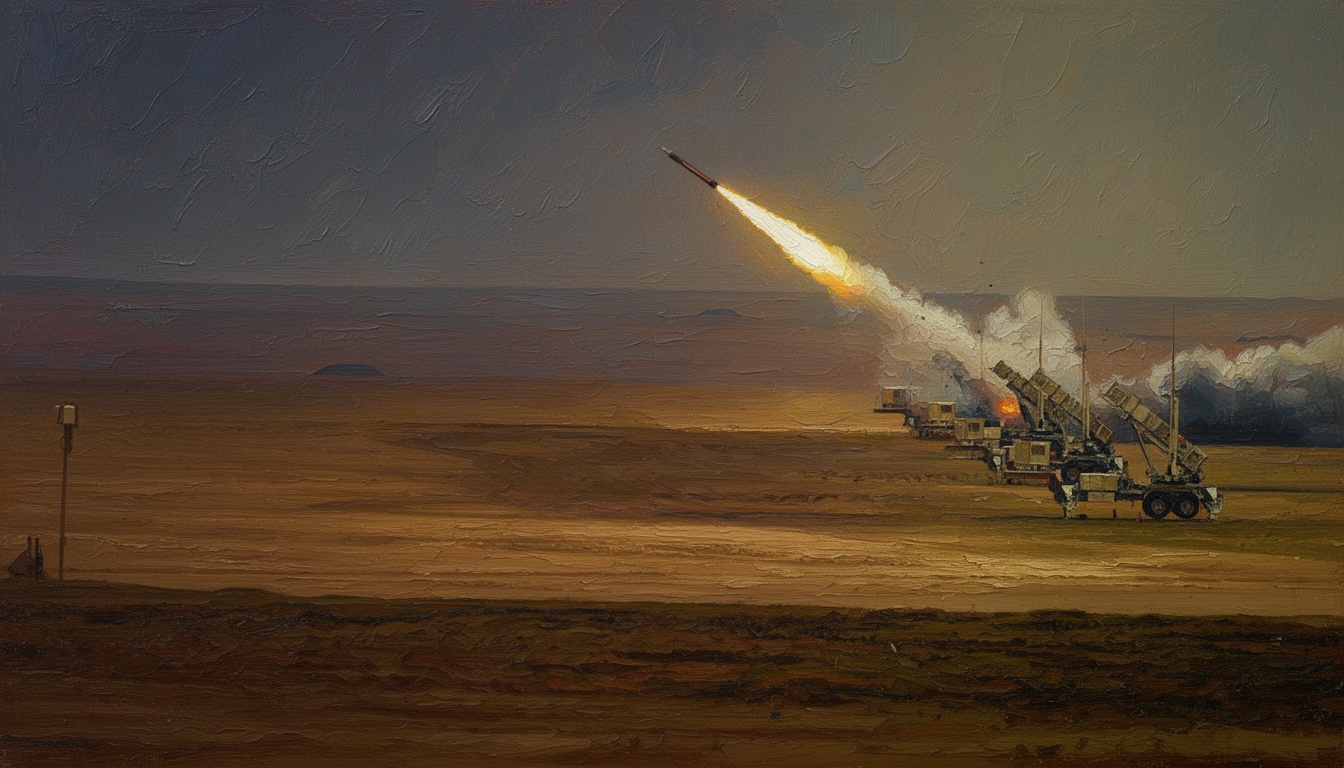
Raytheon lands $3.7B Patriot interceptor deal with Ukraine
Raytheon wins a $3.7 billion contract to supply Patriot interceptors for Ukraine, funded by Germany. The exact quantities and schedule remain undisclosed. Zelenskyy has urged partners to commit to new air defense capabilities to bolster Kyiv's shield against ongoing threats.
Ukraine accelerates a major defense procurement: Raytheon secures a $3.7 billion contract to supply Patriot interceptors funded by Germany. The deal comes as Kyiv seeks to harden its integrated air defense network amid intensifying threats from adversaries. The contract’s scope—specifically the number of interceptors and the exact delivery timeline—has not been disclosed. Kyiv continues to press partner nations for fresh commitments to advanced air defense systems to sustain deterrence and resilience.
This development follows Zelenskyy’s ongoing calls for broader international commitments to air defense and long-range missiles. Germany’s funding underscores a shifting postures among European powers toward tangible, material support for Ukraine’s defense industrial base. The arrangement signals a push to accelerate interoperability among allied systems and to shore up strategic deterrence in the region. Regional security dynamics in Eastern Europe remain highly fluid as air defense integration deepens.
Strategically, the Patriot program reinforces Kyiv’s layered defense posture, expanding engagement options against cruise and ballistic threats. It also signals a broader alliance framework where Western defense industries synchronize output for frontline needs. The deal could influence future procurement debates in other European capitals and shape NATO’s collective defense posture as tensions persist. Analysts will watch for parallel arms projects, funding commitments, and joint training initiatives that accompany interceptor deliveries.
Technical and operational details are preliminary: the contract values reflect high-end interceptors of the PAC-2 family, with the possibility of future PAG/PAC upgrades. Force composition for this tranche would hinge on current air defense gaps and battery deployment plans around critical Ukrainian infrastructure. Budget figures at this scale imply substantial production ramps and potential industrial offsets within Germany and allied suppliers. Observers expect a multi-year timeline that aligns with ongoing modernization of Ukraine’s anti-aircraft architecture.
Looking ahead, the impact includes heightened deterrence against aerial threats and potential shifts in regional risk assessments. Kyiv’s ability to sustain allied support will shape the pace of interceptor deployment and system compatibility. If funding remains steady and delivery targets meet cadence, Ukraine could realize earlier-than-expected improvements to its air-defense coverage in key front-line sectors.