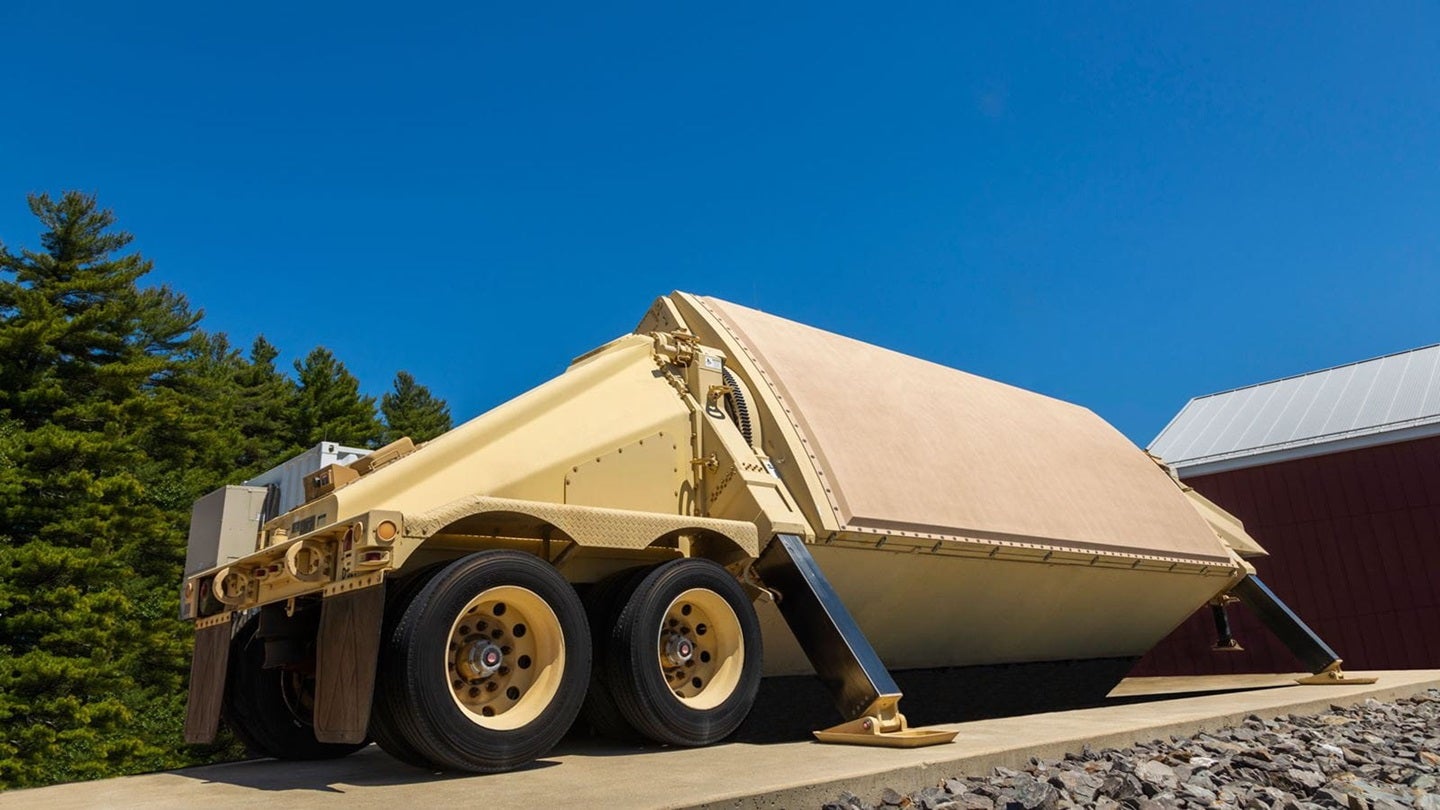
Raytheon Funds Boost AN/TPY-2 Radar Hypersonic Hunt
Raytheon secures increased funding to enhance the AN/TPY-2 radar critical for THAAD. This advance aims to improve hypersonic missile detection, addressing a high-stakes capability gap in missile defenses globally. The upgrade will strengthen U.S. and allied missile shield networks amid expanding hypersonic threats.
Raytheon Technologies has obtained additional government funds to upgrade the AN/TPY-2 radar system, a core sensor for the Terminal High Altitude Area Defense (THAAD) missile defense architecture. This move intensifies efforts to improve the radar’s performance against hypersonic missile threats, which are a growing challenge worldwide.
The AN/TPY-2 radar currently serves as a key long-range X-band sensor within THAAD batteries, deployed primarily by the U.S. and allied forces to intercept ballistic missiles. Hypersonic missiles, capable of maneuvering at speeds above Mach 5, have jeopardized traditional missile defense systems, prompting urgent modernization.
Strategically, enhancing AN/TPY-2’s hypersonic detection and tracking features addresses a critical vulnerability amid global missile proliferation. Major military powers including China, Russia, and North Korea have prioritized hypersonic weapons development, fueling an arms race that challenges existing defenses and regional stability.
Technically, the AN/TPY-2 is a transportable radar with high-resolution X-band sensing capability, capable of rapid target discrimination and tracking at long range. Upgrades likely involve improved signal processing algorithms, enhanced radar sensitivity, and software adaptations to counter hypersonic glide vehicles’ speed and maneuverability.
The expanded funding signals continued prioritization of missile defense upgrades in the face of evolving threats. Enhanced AN/TPY-2 capabilities will increase THAAD’s effectiveness and may drive integration with other sensor and interceptor networks. This development is crucial for maintaining credible regional missile defense postures and deterring adversaries deploying advanced hypersonic arms.