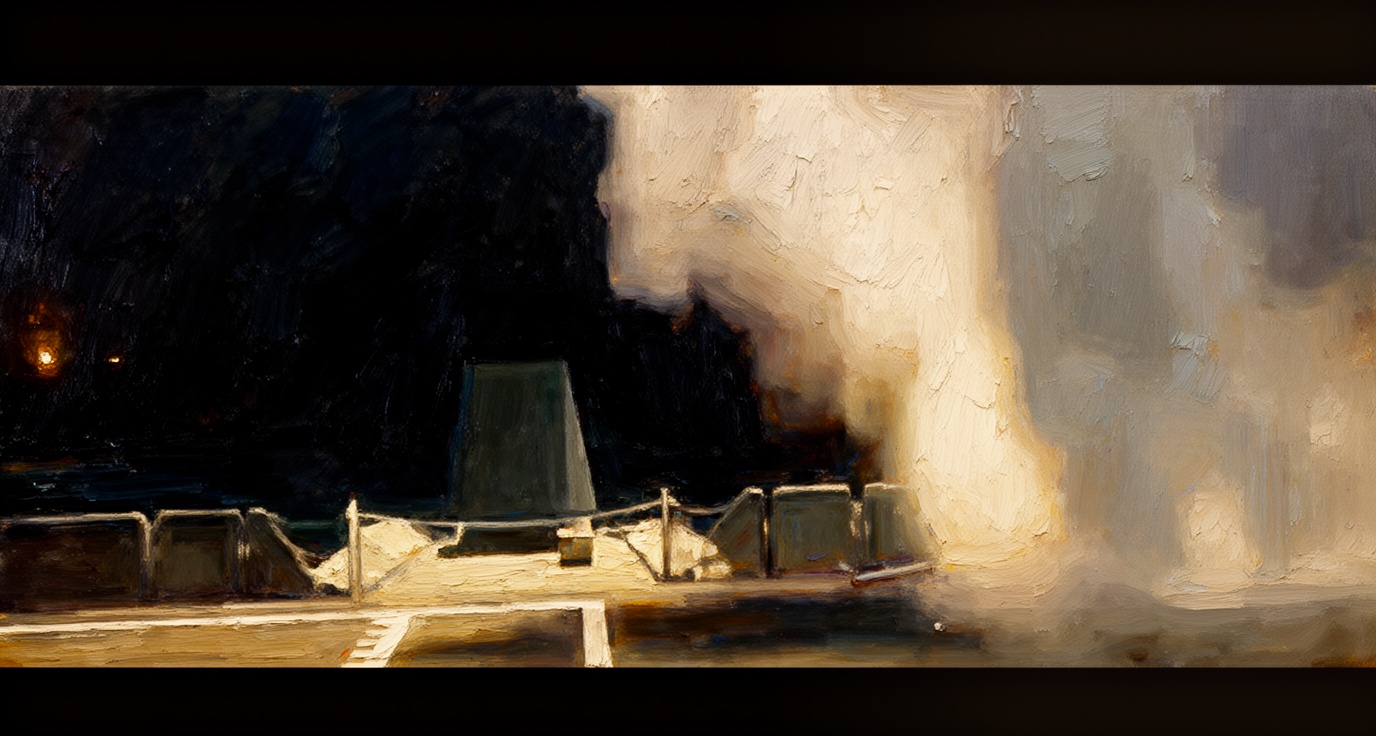
Qatar’s Al Fulk LPD Launches Aster Missiles at Iranian Threats
Qatar deployed its new Al Fulk LPD armed with Aster missiles to counter escalating Iranian missile and drone threats. This marks a major regional upgrade in air defence capabilities amid persistent Iran-driven tensions in the Gulf. The launch signals Doha’s commitment to modernizing its naval deterrence against Tehran’s expanding missile reach.
On March 30, 2026, Qatar’s Ministry of Defence released rare footage revealing active deployments of its ballistic missile and drone defence systems amid rising tensions with Iran. The video prominently showcases the Al Fulk landing platform dock (LPD), a new asset equipped with cutting-edge Aster surface-to-air missile systems. Alongside it, the Al Zubarah-class corvettes also appear in action, demonstrating Qatar’s multi-layered naval air defence.
These developments come as Iran continues aggressive missile tests and drone activity threatening Gulf stability. Qatar’s introduction of the Al Fulk LPD armed with Aster missiles represents a strategic pivot in regional naval warfare. It enhances Qatar’s ability to intercept supersonic missile threats and fast drones, underlining a rapid arms modernization response to Iran’s growing missile arsenal.
The Al Fulk is a highly capable landing platform dock designed to project power and provide advanced air defence coverage. It deploys Aster 15 and 30 missiles, recognized for their high-speed interception and advanced radar guidance. These missiles target ballistic, cruise, and anti-ship missiles, elevating Qatar’s naval air defence threshold substantially. The accompanying Al Zubarah corvettes add close-in defense capabilities and electronic warfare support.
Qatar’s move comes amid intensified geopolitical rivalry with Iran, emphasizing a fast-accelerating naval arms race in the Gulf. Deploying Aster-armed LPDs improves Qatar’s strategic deterrence and shapes a more formidable naval defense posture. This bolsters Doha’s defense policy aimed at countering Iranian regional aggression while securing key maritime routes.
Looking ahead, Qatar is likely to continue expanding its missile defence architecture, potentially inspiring similar upgrades among Gulf Cooperation Council states. This deployment signals a new phase of high-tech naval defense escalation in the Gulf, raising risks of miscalculation and prompting regional powers to reassess naval force balances and alliance structures.