Qatar LNG Disruption Sparks Crisis in Asian Energy Supplies
Qatar's LNG output disruption is triggering soaring prices and regional insecurity. This crisis highlights Asia's dangerous dependence on Middle Eastern energy sources amidst escalating regional conflicts.
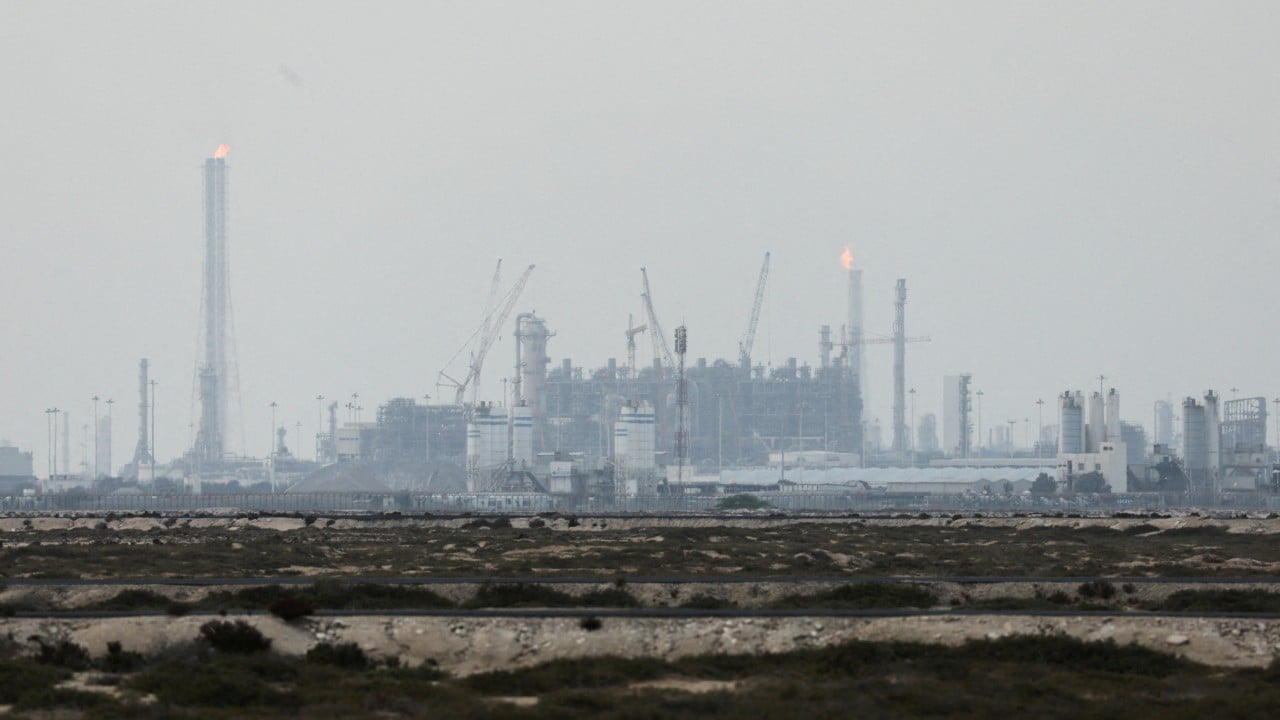
Qatar's liquefied natural gas (LNG) production has plunged due to Iranian drone strikes, igniting a crisis that has sent Asian gas prices soaring to their highest level in nearly three years. As prices spike, concerns mount over the stability of energy supplies, revealing a precarious dependence on Middle Eastern fuel sources. This disruption comes during an intensifying conflict in the region, amplifying fears of widespread energy insecurity across Asia.
This immediate crisis is rooted in growing tensions over the ongoing Israeli-Palestinian conflict and its regional reverberations. Iran's military response, which includes targeting Qatar's LNG facilities, represents a significant escalation in hostilities amid the backdrop of US and Israeli military actions. Observers warn that Qatar's vulnerabilities, combined with broader geopolitical frictions, could lead to further disruptions in energy supplies that are vital for Asia's economies.
The significance of this disruption cannot be overstated. Asia, which relies heavily on imported LNG, faces not only higher energy costs but also heightened strategic risks. As nations scramble to secure energy resources, the potential for regional conflict escalation increases, with implications for global markets and political stability. The crisis underscores Asia's critical vulnerabilities in energy security, revealing an urgent need for diversification of energy sources.
Key players in this situation include Qatar, Iran, and the broader coalition of nations affected by Iranian aggression. Qatar seeks to maintain its position as a primary global LNG supplier, but its security landscape is severely threatened. Concurrently, Iran aims to solidify its influence in the region through direct military action, leveraging its capabilities to disrupt crucial energy supply chains. This discord is driven by both economic imperatives and strategic considerations.
On the operational front, the scale of LNG production affected remains unclear, but any significant disruption poses a risk to supply chain integrity. The strategic Strait of Hormuz, through which approximately 20% of the world's LNG transits, is currently under threat due to Iranian military actions. Regional governments are reporting heightened shipping risks, which could trigger more significant impacts on delivery timelines and commodity pricing as winter approaches.
The consequences of this disruption are likely to reverberate through global markets, potentially leading to price volatility across energy commodities. Nations dependent on Qatari LNG will face immediate challenges in securing alternative supplies, prompting frenzied diplomatic maneuvers to stabilize energy needs. Should Iranian aggression continue or escalate, the situation could catalyze military responses from Gulf states or even draw in external powers to protect vital shipping routes.
Historically, this situation echoes the 2000s gas crises when disruptions in Middle Eastern energy supplies pushed prices beyond reach for many nations. The long-term implications of steady insecurity in the region could lead to a reconfiguration of global energy markets and an urgent push for investment in alternative energy sources and infrastructures.
Looking forward, key indicators to monitor include the duration of the disruption, shifts in regional diplomatic relations, and potential military escalations in the Gulf. Intelligence efforts should focus on Iranian military capabilities and their willingness to continue aggression against energy infrastructure, as well as Qatar's defensive measures to protect its LNG production facilities from further attacks. Asia's energy future hangs precariously in the balance as this crisis unfolds.