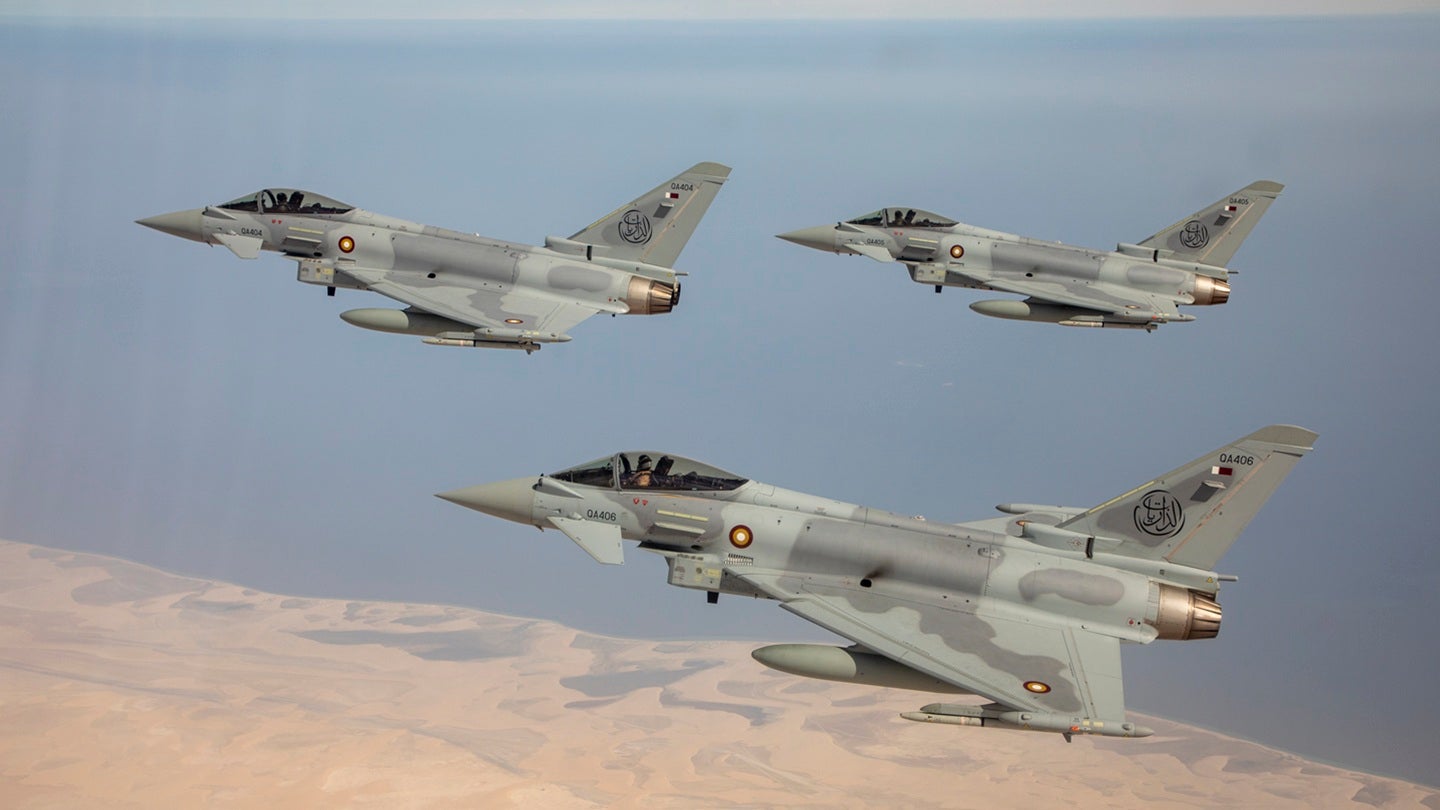
Qatar Claims Iranian Air Combat Kills as U.S. Casualties Escalate
The rising fatalities among U.S. forces amid Iranian air-to-air operations highlight a deteriorating security situation in the Middle East. Qatar's assertions signal potential regional shifts in military engagement and capabilities.
Qatar has officially reported that Iranian air-to-air combat operations have resulted in multiple fatalities among opposition forces, coinciding with rising U.S. military casualties throughout the region. This alarming development places a spotlight on the escalating dangers of aerial confrontations in a strategically volatile area, as Iranian missile and drone capabilities continue to pose significant threats to both U.S. and allied forces. Meanwhile, the absence of UK military involvement in U.S.-Israeli strikes raises questions about allied cohesion in the face of growing Iranian aggression.
The backdrop to this crisis is marked by ongoing tensions between the U.S. and Iran, exacerbated by the fallout from the U.S. withdrawal from the nuclear deal and subsequent sanctions. Iran's military strategy has increasingly focused on enhancing its aerial capabilities, utilizing advanced drone technology and bolstered missile systems. The persistent drone attacks and missile launches against U.S. positions in Syria and Iraq have underscored Tehran's intent to assert its regional dominance, directly challenging U.S. influence and stability in the Middle East.
This situation holds significant implications for regional security dynamics, especially as U.S. troop levels are pressured amid rising casualty rates. The ongoing confrontation with Iran threatens to divert military resources and attention from other critical geopolitical hotspots. Additionally, the failure to achieve decisive victories against Iranian forces raises the specter of prolonged conflict and an increased likelihood of adversary empowerment, further destabilizing the region.
Key actors in this scenario include Iran, which seeks to demonstrate its air and missile superiority, and the U.S. military, tasked with defending its forces and allies while navigating rising tensions. Qatar's claims could reflect a growing willingness to engage in asymmetric warfare against Iranian assets, potentially driven by a desire to assert its regional influence and counter Iranian expansionism. In the broader context, this crisis also involves Israel, which remains committed to countering Iranian threats but has yet to militarily engage in response to recent developments.
Iran's military capabilities are increasingly centered on the proficiency of its fighter jets, drones like the Shahed series, and a growing arsenal of precision missile systems. The reported rise in U.S. fatalities, attributed partly to Iranian drone attacks, indicates the potential effectiveness of these weapons systems against allied forces. U.S. and coalition military operations may soon require enhanced counter-drone technologies and tactical adjustments to minimize vulnerabilities.
The likely trajectory suggests a sharp increase in confrontations leading to further U.S. reprisals against Iranian targets or those of its allies. The current escalation pattern could also encourage Iran to adopt more aggressive posturing, creating opportunities for military miscalculations. If U.S. casualties continue to rise, public and political pressures could compel Washington to intensify military responses, amplifying the risk of a broader conflict.
Historically, the U.S. has faced challenges in operations within the Middle East, particularly when dealing with asymmetric threats from Iraq and Afghanistan. The pattern of Iranian provocations echoes prior crises, where miscommunication and rapid escalations led to major confrontations, demonstrating the precariousness of current military engagements.
Moving forward, intelligence analysts must monitor U.S. troop levels, Iranian military developments, and the responses of other Middle Eastern allies. Indicators of increased Iranian air capabilities, further U.S. casualties, and potential shifts in UK or other allied military stances will be crucial in anticipating the next phase of this ongoing crisis.