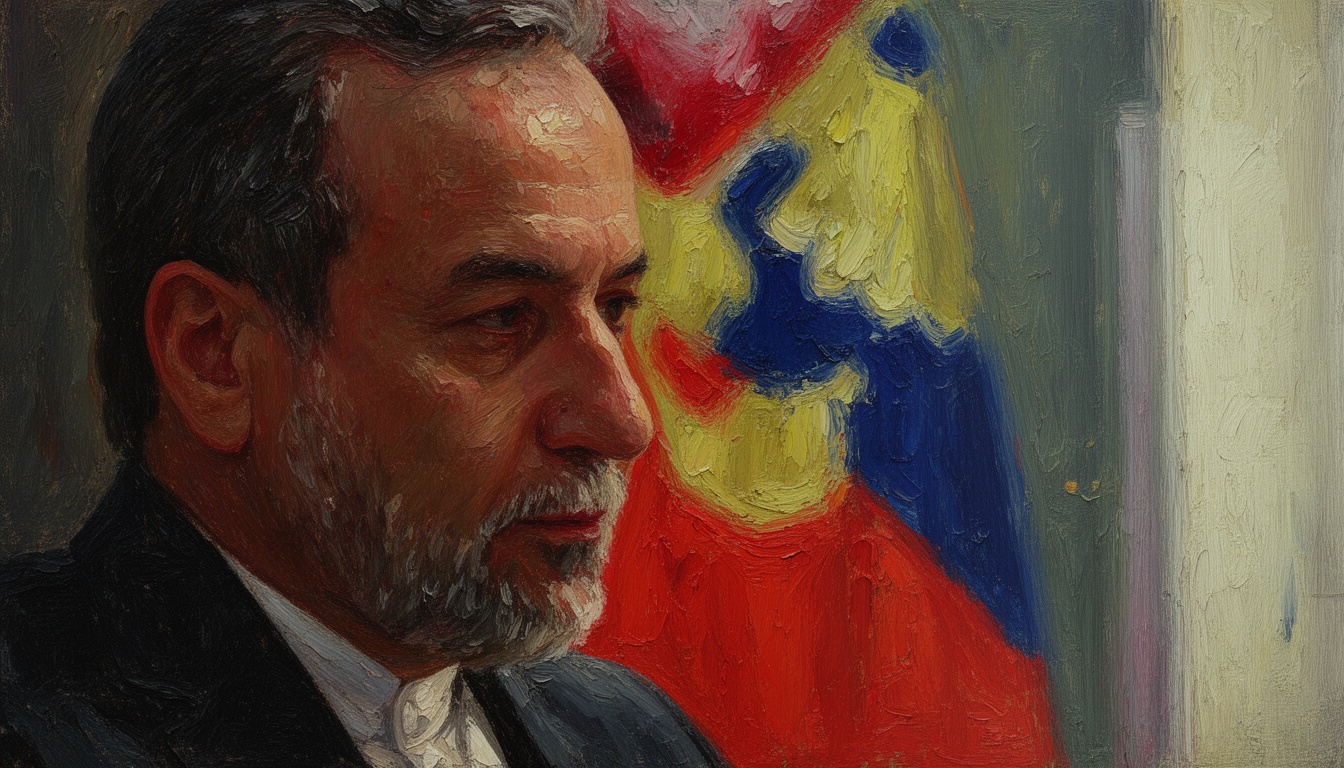
Putin to Meet Iran’s Foreign Minister as US-Iran Talks stall
Russia pivots to Iran amid stalled diplomacy with Washington. Moscow signals higher level engagement with Tehran as sanctions bite on both sides, reinforcing a anti-Western alignment. The meeting underscores growing strategic cooperation that could affect regional security calculations and allied diplomacy.
Putin is slated to host Iranian Foreign Minister Abbas Araghchi on Monday, according to Russian state media, signaling a high-level bilateral engagement as Washington and Tehran struggle to resume formal talks. The planned encounter, set against a backdrop of intensifying sanctions on both capitals, marks a deliberate strengthening of ties that Moscow has publicly prioritized as part of its broader Eurasian pivot. The announcement, while brief, fits a pattern of cooperative posturing that Kyiv observers and Western partners increasingly monitor for implications beyond bilateral diplomacy.
Tehran and Moscow have cultivated a recalibrated partnership over the past several years, expanding cooperation in energy, defense, and regional security calculations. The relationship has persisted despite Western pressure and domestic economic strains, suggesting a shared interest in counterbalancing Western leverage and preserving strategic autonomy. Analysts note that this convergence includes discussions on arms, training, and joint projects, all of which could influence the balance of power in the Middle East and Central Asia.
Strategically, the meeting serves as a signal that Russia is leveraging Tehran’s regional position to blunt Western pressure and diversify its international alignments. Iran’s ability to sustain its foreign policy choices under sanctions appears tied to external partners who can offer economic lifelines, military technology, and political cover. For Moscow, Iran offers a critical corridor into the Gulf, transcontinental logistics routes, and a potential multiplier for its own defense-industrial and intelligence ambitions.
Technical and operational details surrounding the engagement remain sparse, but the timing and seniority of the interlocutors imply discussions could touch on weapons systems, defense cooperation, and synchronized approaches to sanctions resilience. Energy collaboration, including refinement capabilities and potential shared projects, also looms as a practical facet of the deeper alliance. The two sides are likely to review current arms collaboration, intelligence-sharing channels, and ballistic-missile and drone development trajectories that have drawn Western scrutiny in recent years.
Looking ahead, the Putin-Araghchi meeting could recalibrate regional risk assessments for multiple stakeholders. If the relationship tightens further, it could complicate international efforts to isolate Moscow and Tehran while augmenting deterrence dynamics against Western and allied operations. The immediate effect may be a modest shift in messaging and alliance calculus, yet the broader trajectory points toward a more multipolar security environment in which Western leverage faces persistent challenges.