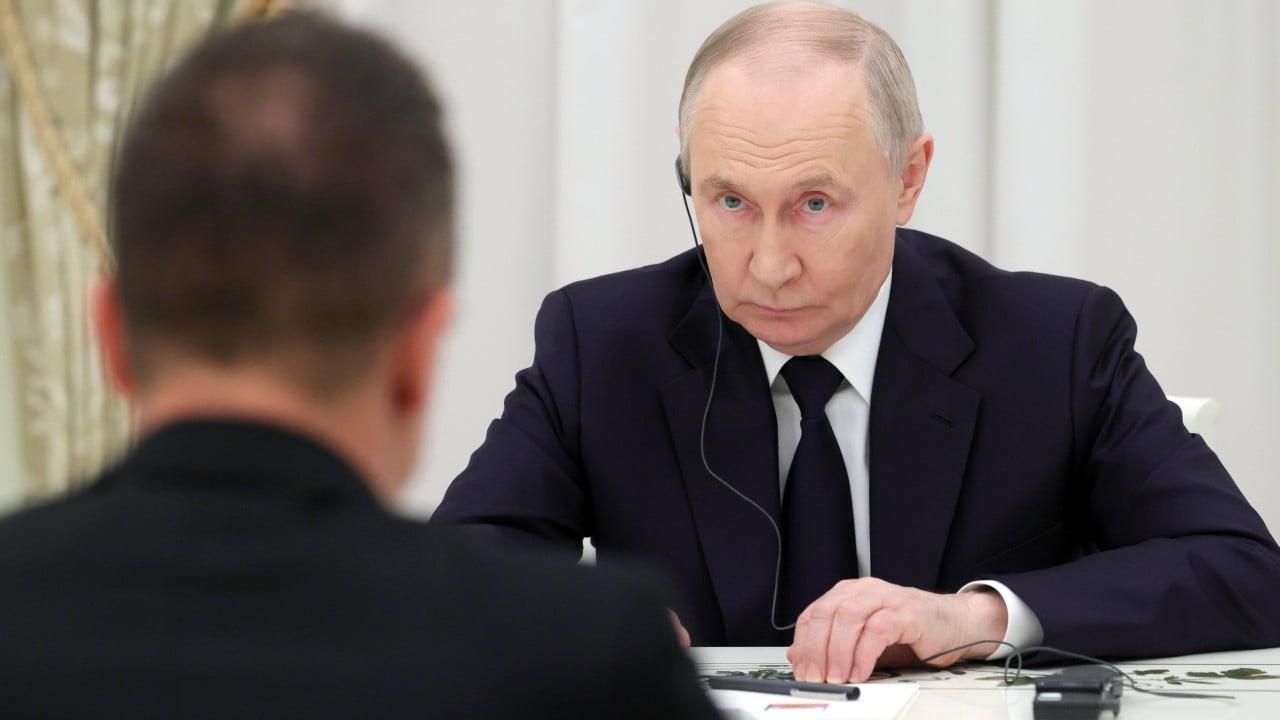
Putin Threatens Total Gas Supply Cut to Europe Amid Iran Crisis
Russia's decision to cut gas supplies to Europe looms, a direct response to soaring energy prices and escalating tensions in the Middle East. This threatens a crucial energy supply amid ongoing geopolitical crises, signaling a potential confrontation between Russia and the EU.
President Vladimir Putin has issued a stark warning that Russia may immediately halt its gas supplies to Europe, citing a significant spike in energy prices driven by the ongoing crisis in Iran. Putin's comments are directly linked to the European Union's intent to ban Russian gas and liquefied natural gas (LNG) purchases, due to the war in Ukraine and broader geopolitical tensions. He noted that current conditions could compel Russia to make drastic decisions regarding energy exports to Europe.
The backdrop to this urgent warning is the unraveling situation in Iran. Following a series of US and Israeli military strikes on Iranian positions, Tehran has retaliated against neighboring Gulf Arab states, exacerbating regional instability. Notably, the conflict has disrupted shipping routes through the vital Strait of Hormuz, through which approximately 20% of the world's oil supply passes. The instability has spiked crude oil and gas prices globally, with major ramifications for energy-dependent European economies.
This escalation is significant not just for the energy market but for international security. A complete halt of Russian gas supplies to Europe would plunge many nations into energy crises, undermining economic stability and igniting tensions across the continent. The implications of this scenario extend beyond mere supply disruptions, as it could destabilize the already fraught political landscape in Europe and increase reliance on alternatives, potentially accelerating climate policy shifts.
Key players in this crisis include Russia, Iran, and the European Union, each with distinct motivations. For Russia, leveraging energy supplies appears to be a strategic move to exert pressure on Europe amid its isolation following the Ukraine war. Conversely, the EU's sanctions and proposed bans are aimed at diminishing Russian influence, but such actions escalate vulnerability in energy security. Iran, meanwhile, seeks to bolster its position in the region, retaliating against perceived aggressors while confronting economic sanctions.
Operationally, Russia supplies around 40% of the EU’s natural gas, making any reduction highly impactful. Current gas storage across Europe is only at about 75% capacity, well below the necessary levels ahead of winter. The fragility of this supply chain was underscored by the recent spike in global oil prices, with Brent crude nearing $100 per barrel. The threat of interruptions in Russian gas deliveries heightens already precarious energy forecasts for European markets.
The potential consequences of this crisis are multifaceted; increased energy prices would amplify inflation across Europe, leading to public discontent and potential political upheaval. Furthermore, if Europe seeks alternative supplies, it might lead to intensified competition for energy resources with Asia, particularly affecting relations with Middle Eastern suppliers. Should this situation continue to escalate, Europe may have to resort to emergency measures, such as rationing energy or increasing coal and oil production, undermining climate commitments.
Historically, energy supply crises often parallel military conflicts. The 1973 oil crisis serves as a reminder of how geopolitical strife can reverberate through global markets, causing long-term economic damage. In the present instance, the cascading effects of energy supply cuts can destabilize not only economies but also political regimes, as nations struggle to secure resources.
Looking ahead, intelligence analysts should focus on several key indicators including the frequency of Iranian retaliatory actions in the Gulf, shifts in European energy policy, and any movement in Russian military assets in response to these challenges. Europe's winter preparedness, resilience efforts, and energy diversification strategies will also be critical factors in navigating this potential crisis against the backdrop of growing tensions.