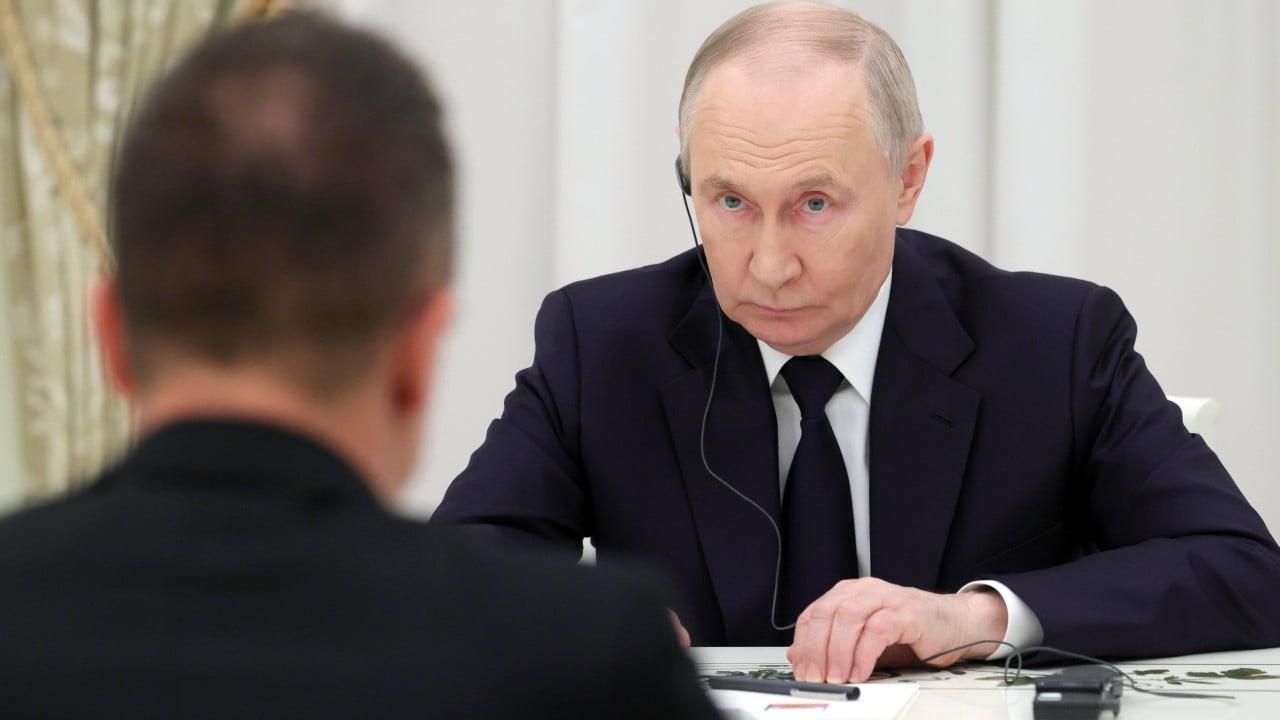
Putin Threatens to Cut Off Gas Supplies to Europe Amid Iran Crisis
Russia faces a major gas supply crisis as rising energy prices and geopolitical tensions with Iran converge. Such a move could destabilize European energy security amid existing supply challenges.
Russian President Vladimir Putin has warned that the Kremlin may halt gas supplies to Europe in direct response to rising energy prices linked to the ongoing crisis in Iran. His remarks come as tensions escalate following the recent US and Israeli strikes against Iranian targets, which have prompted retaliatory actions from Tehran and disruptions across the region, particularly in crucial shipping lanes like the Strait of Hormuz. This situation puts the European Union on high alert, with Putin explicitly connecting a potential supply interruption to the EU's intentions to ban Russian gas imports.
The backdrop to this crisis involves a decade-long rift between Russia and the West, spurred by the annexation of Crimea and subsequent sanctions, which have seen Europe reducing its reliance on Russian energy. Analysts have predicted that this conflict, arising from Western military involvement in Iran, could force Russia's hand as it leverages energy supplies as a geopolitical weapon against the EU’s encroaching sanctions and policy shifts. The delicate balance of energy dependence and security within Europe, where many countries rely heavily on Russian gas, is now at stake.
This development is significant as it highlights the fragility of Europe’s energy security, particularly when set against the backdrop of sanctions on Russian energy exports. The Russian gas market supplied approximately 40% of the EU's natural gas in 2021. Any disruption risks not just skyrocketing costs, but also jeopardizes the operational capacity of European economies during winter months when demand peaks. The potential for a complete halt in gas flow is therefore an escalatory measure that could radically alter the energy landscape of Europe and push prices to unprecedented levels.
Key actors in this crisis include not only Russia and the EU but also Iran, which now finds itself at the center of a broader geopolitical chessboard as it looks to react to external aggression. Tehran's motivations include consolidating its influence in the region and pushing back against what it perceives as an existential threat from the West and its allies. Russian motivations appear twofold: to protect its energy market from EU sanctions while simultaneously seeking to expand its influence in the Middle East amidst turmoil.
Operationally, Russia has significant leverage with its existing gas pipeline infrastructure, notably Nord Stream and TurkStream, which allowed for consistent energy supply to Europe despite deteriorating political relations. If Russia decides to pull back supplies, the immediate implications would be dire for countries such as Germany and Italy that are deeply reliant on Russian gas. Current pricing for natural gas has already surged beyond $10 per million British thermal units (MMBtu), threatening economic stability in Europe.
The consequences of such brinkmanship are multi-faceted. European nations may be forced to scramble for alternative energy sources, including increased imports of liquefied natural gas (LNG) from competitors such as the United States or Qatar, placing strain on already competing global energy markets. There is also the potential for heightened military posturing in the region as energy supply interruptions could lead to security alerts and prompt military responses not just from European nations but also from the US.
Historically, previous incidents of energy supply disruptions—such as the 2006 and 2009 gas crises between Russia and Ukraine—provide critical lessons in the geopolitical and economic devastations that can arise from such disputes. Those crises led to severe supply shortages during winter months and increased calls for energy diversification, which remains a pressing issue for Europe in its current predicament.
Looking forward, key indicators to monitor include changes in the flow of gas through existing pipelines, fluctuations in global energy prices, and emerging alliances between Eastern and Western powers as they jockey for influence in the energy domain. Additionally, the EU’s contingency plans for energy shortages will be critical determinants, as any significant change could lead to either heightened tensions or a reevaluation of diplomatic relations with Russia and Iran. With winter on the horizon and energy demands increasing, the stakes could not be higher for European nations in the wake of Putin's threats.