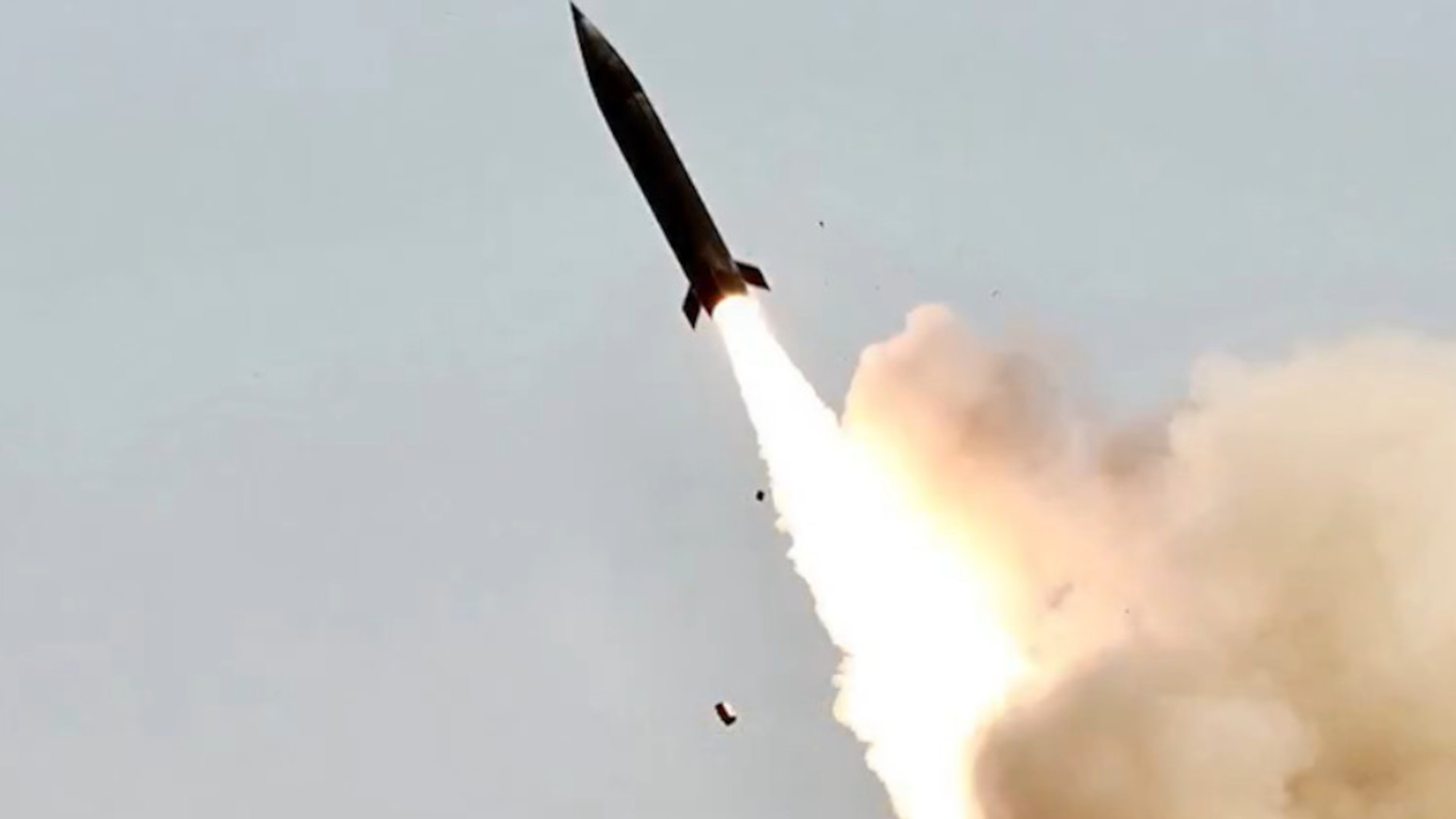
PrSM Missile Targets Iran, Marks Escalation in U.S. Military Capabilities
The combat debut of the Precision Strike Missile (PrSM) in Iran demonstrates the U.S.'s enhanced long-range strike capability, significantly outpacing previous systems. This development raises issues regarding regional tensions and the balance of power in the Middle East.
The Precision Strike Missile (PrSM) has made its combat debut by successfully striking targets in Iran, showcasing its extended operational range and precision capabilities. The missile can fly over 500 kilometers, a significant improvement compared to its predecessor, the Army Tactical Missile System (ATACMS), which has a range of approximately 300 kilometers. This unprecedented deployment signals a dramatic escalation in U.S. military capabilities, especially in a region marked by instability and hostilities.
The deployment of PrSM is rooted in ongoing tensions between the U.S. and Iran, primarily stemming from Iran's nuclear ambitions and its support for militant groups across the Middle East. Following the assassination of Iranian General Qassem Soleimani in January 2020, relations have further deteriorated, and Iranian provocations, including missile attacks and naval threats, have tested U.S. patience. The development of PrSM comes against a backdrop of the U.S. actively trying to contain Iranian influence in the region.
The significance of this event cannot be understated. By employing the PrSM, the U.S. not only demonstrates its enhanced strike capabilities but sends a clear message to adversaries about its willingness to engage militarily if necessary. Such advancements present not only a shift in the power dynamics within the region but also highlight the vulnerability of Iran’s military infrastructure to precision-guided munitions, which may provoke further Iranian retaliation and regional instability.
Key actors in this evolving situation include the U.S. military, which aims to support its allies, and Iran's leadership, determined to maintain its influence despite American pressure. The U.S. views the Proliferation of advanced missile systems by Iran as a direct threat. Thus, the operational use of PrSM is driven not just by the need for military readiness but also by a strategic imperative to deter further Iranian aggressions.
In technical terms, the PrSM represents a leap in missile technology, incorporating advanced targeting systems and greater range. It can strike deep into hostile territories, beyond traditional battlefield limits, especially targeting critical infrastructure such as command centers, missile sites, or logistics hubs. The budget implications of this development reflect broader U.S. defense priorities, with substantial investments in long-range strike capabilities to counter near-peer rivals and regional threats.
The consequences of this deployment could be severe, with the potential for increased military engagement between the U.S. and Iranian forces. Iran may feel pressured to respond, potentially through asymmetric warfare tactics or by intensifying proxy conflicts in the region. With both nations on high alert, any miscalculation could spiral into a wider conflict, particularly given the volatile nature of Middle Eastern geopolitics.
Historical parallels can be drawn from the deployment of advanced weapon systems during the Cold War, where U.S. and Soviet missile tests escalated tensions to the brink of war. As each side showcased its military advancements, the risk of unexpected retaliation and regional conflicts grew exponentially. The lessons from history indicate that such provocations will likely lead to a tit-for-tat cycle of military posturing and conflict.
Looking ahead, analysts should closely monitor Iranian rhetoric and military movements as well as further U.S. troop deployments in the region. Future intelligence indicators will likely include reports of Iranian missile tests or responses to U.S. strikes, as well as potential escalations in conflicts involving Iranian-supported forces in Syria or Iraq. Assessing these signs will be critical to understanding the evolving security landscape in the Middle East and the implications for U.S. military strategy.