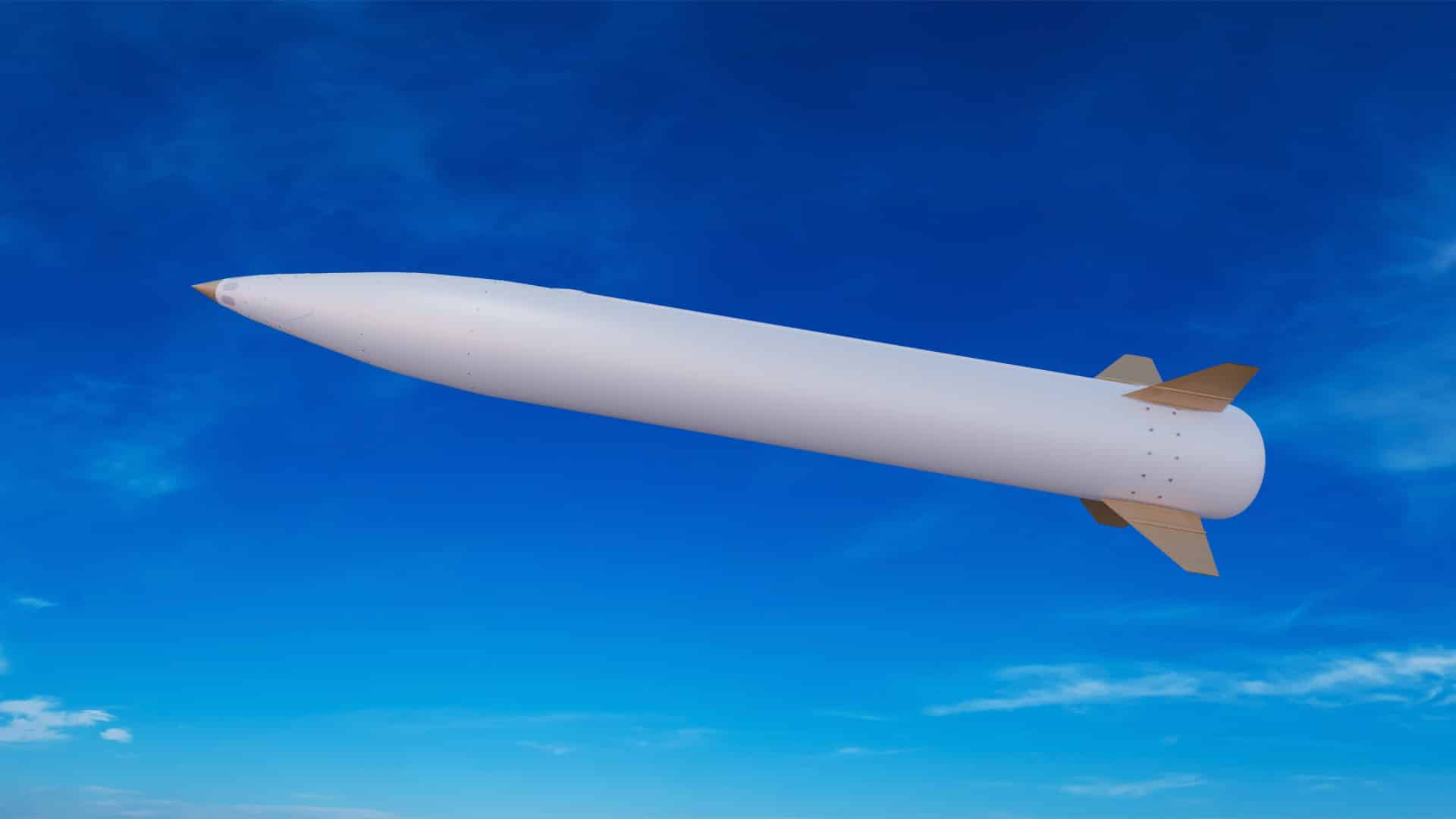
PrSM Increment 2 Missile Flight Test Signals New Maritime Threats
The U.S. Army's advanced long-range missile capability poses significant risks to adversaries. The successful test of the PrSM Increment 2 marks a notable escalation in military capabilities.
On March 12, 2026, Lockheed Martin successfully completed the first flight test of the Precision Strike Missile (PrSM) Increment 2, a weapon designed to engage moving maritime targets. This development indicates a substantial enhancement of the U.S. Army's offensive capabilities in the long-range fires domain, raising tensions with countries that may perceive this as an escalation of military posturing in contested maritime regions.
The context for the PrSM Increment 2 stems from escalating geopolitical conflicts and military modernization efforts among major powers, particularly in the Indo-Pacific and European theaters. Previous versions of the PrSM focused on land targets; however, as naval capabilities grow among rivals such as China and Russia, the U.S. military has pushed to refine its long-range strike options to maintain strategic superiority.
The significance of this test cannot be overstated: the PrSM Increment 2 represents a quantum leap in strike precision and range, with the potential to target and destroy enemy naval assets from hundreds of kilometers away. This shift increases the risks of miscalculation and rapid escalation during military engagements, particularly in hotspots like the South China Sea and Black Sea, where U.S. interests and allies are directly challenged.
Key actors in this development include the U.S. Army, Lockheed Martin, and foreign adversaries whose maritime forces may now be in the crosshairs of an enhanced missile system. The U.S. aims to deter aggression through superior firepower, while countries like China and Russia may increase their naval deployments or seek countermeasures, escalating the arms race.
Technically, the PrSM Increment 2 features advanced guidance systems that can adapt to moving targets, including naval vessels. While exact specifications are not publicly disclosed, the missile is expected to have a range exceeding 500 kilometers, significantly surpassing previous capabilities, thereby threatening maritime operations in multi-domain scenarios. The investment into these systems represents a substantial financial commitment from the U.S. military, aiming for increased lethality.
The implications of this flight test extend beyond mere military capability. The introduction of such advanced missile systems could provoke retaliatory measures from adversaries, who may accelerate their own defense spending or enhance their military readiness in the face of perceived threats. Increased naval operations by the U.S. might also occur as a demonstration of resolve, further complicating international relations.
Historically, the introduction of advanced weaponry has led to spirals of arms racing, reminiscent of the Cold War period, wherein nations rushed to develop countermeasures and new technology. The PrSM Increment 2 could signal the onset of a similar dynamic, particularly as Asian powers continue to build their maritime capabilities in strategic contest zones.
As this situation unfolds, defense analysts and intelligence agencies should monitor foreign military responses to the PrSM test. Key indicators include naval force deployments, changes in military doctrine, and any announcements regarding new weapons systems. These elements will shed light on how adversaries adapt and potentially escalate tensions in response to increased U.S. military capabilities.