Pratt & Whitney Secures $256.3M for F135 Spare Parts Amid Weapon System Concerns
The $256.3 million contract modification for F135 spare parts underscores growing U.S. reliance on this critical propulsion system amidst ongoing tensions. This development is vital for sustaining operational capabilities in joint military operations.
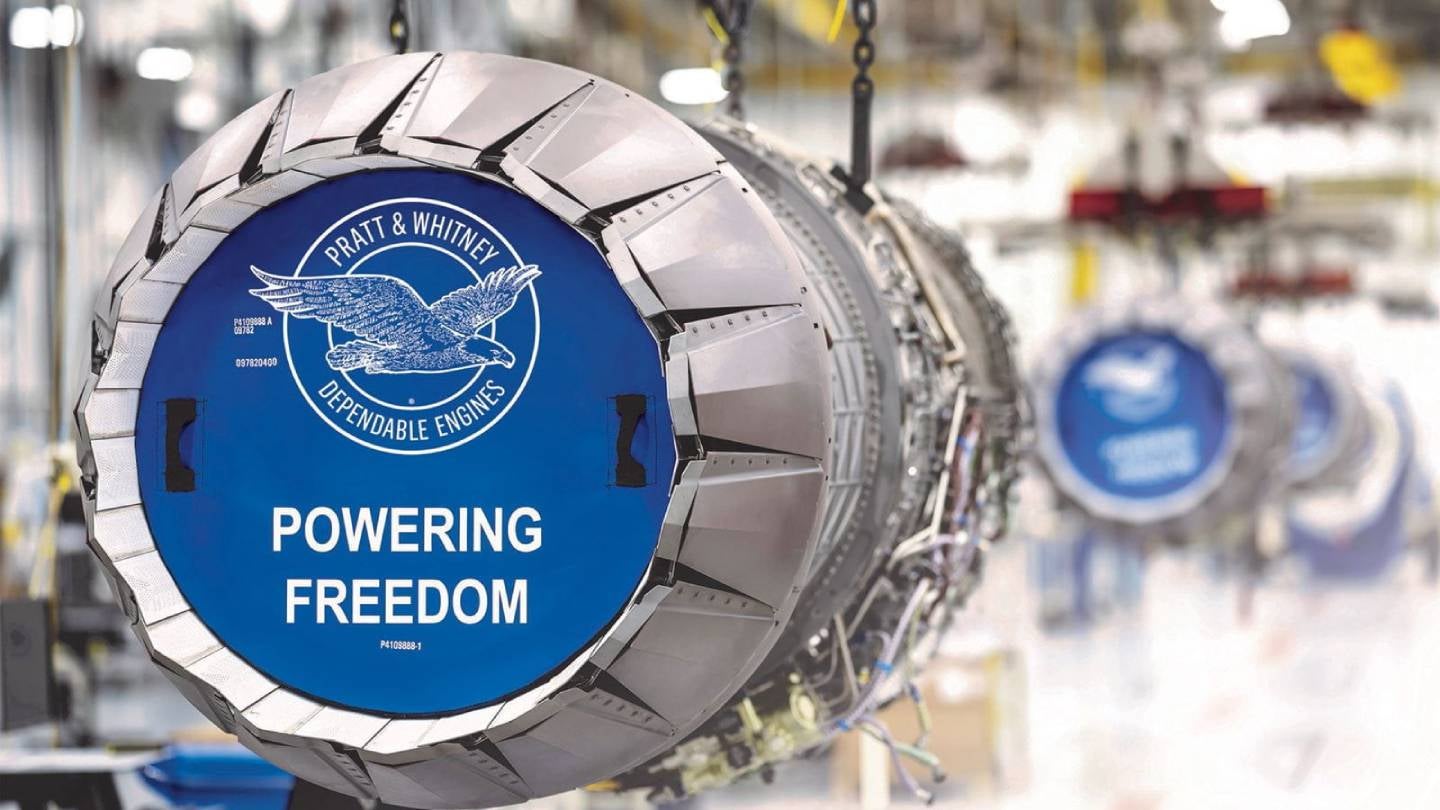
Pratt & Whitney, a division of RTX, has been awarded a $256.3 million contract modification for spare parts related to the F135 propulsion system, integral to the F-35 Joint Strike Fighter. This funding comes at a critical juncture as the U.S. and allied forces increase their operational commitments, heightening the importance of maintaining their advanced aircraft fleets.
The F135 engine is currently the sole propulsion system for the F-35, which has faced criticisms regarding performance and supply chain vulnerabilities. The dependence on Pratt & Whitney for F135 spares illustrates not just logistical challenges but also underscores the geopolitical significance of maintaining air superiority while addressing concerns around the aircraft's operational reliability. Incidents involving F-35s in various theaters raise questions about the effectiveness of the F135 engine, pushing the U.S. to ensure a steady supply of spares to mitigate risks.
This contract modification signifies the continuing urgency within U.S. defense policy to sustain and enhance air capabilities as tensions simmer globally, particularly with adversaries like China and Russia. The allocation of funds reinforces the message that failure to maintain operational readiness can jeopardize the strategic balance of power. As adversarial nations advance their military technologies, the need for reliable propulsion systems becomes more pronounced.
Key players in this arena include not only RTX but also international allies operating the F-35, who face similar logistical pressures. These nations are highly motivated to ensure that their fleets remain available for combat operations. As the F-35 program expands globally, maintaining a robust supply chain for critical components like the F135 engine becomes essential for coalition operations.
The F135 engine is reported to have a thrust capacity of approximately 43,000 pounds and is equipped with advanced stealth capabilities, making it a cornerstone of next-generation air warfare. Yet, continuing issues with engine reliability have necessitated increased spending on spare parts, which raises questions about the sustainability of the program’s long-term operational efficiency. The U.S. has poured billions into the F-35 program, making proper logistical support non-negotiable for operational success.
The likelihood of increased operational tempo for NATO and U.S. forces suggests that demand for F135 spares will continue to rise, potentially leading to further contract modifications. Should performance issues with the F135 persist, it could prompt reevaluation of the entire F-35 program, with implications for defense spending and strategy across multiple nations.
Historically, aircraft engine procurement and performance issues have precipitated broader defense crises needing immediate and costly resolutions. The F135 situation mirrors past circumstances with the F119 engines used in the F22, where expensive fixes were necessitated due to underperformance. The urgency surrounding F135 maintenance actions similarly reflects the complexities of modern military logistics and the potential for operational disruptions.
Going forward, defense analysts should closely monitor F135 performance metrics and spare part supply chain developments. Indicators such as delayed maintenance actions or reduced operational readiness in allied countries could signal deeper, systemic issues with the F-35 program that would require immediate address at both national and coalition levels. This contract modification signals not just current procurement needs but also highlights an ongoing vulnerability in advanced military capabilities that nations cannot afford to overlook.