Pope to urge peace in Cameroon's conflict zone
The Pope will visit Cameroon to press for peace amid the English-speaking separatist conflict. He meets President Biya, then travels to a conflict area where separatists have clashed with the army for nearly a decade. The trip follows controversial remarks during previous stops and a volatile security backdrop in Africa.
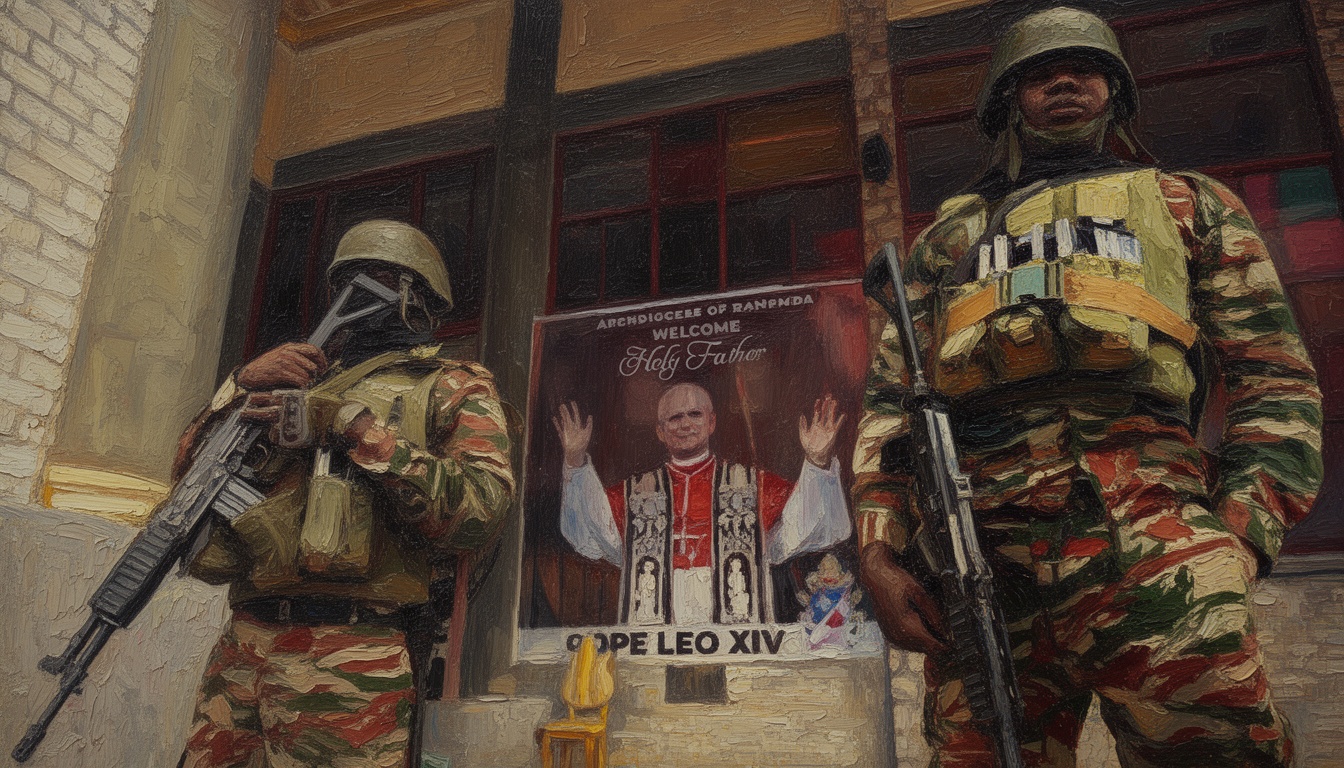
The pontiff arrives in Cameroon on Wednesday for the second leg of a continental tour aimed at catalyzing peace. He will meet Cameroonian President Paul Biya at the outset of a four-day visit in a country where the official French-speaking majority coexists with a tense English-speaking minority. After the reception, the pope plans to travel to a zone where English-speaking separatists have fought government forces for almost ten years. The visit is framed as a moral appeal to end violence and restart dialogue in a polarized landscape.
The Cameroonian crisis stems from long-simmering tensions between English-speaking regions and the francophone center in Yaoundé. Insurgent groups have demanded greater autonomy or independence, and clashes with the national army have repeatedly disrupted civilians and local institutions. The pope’s itinerary signals a broader international interest in African governance, peace processes, and the protection of vulnerable communities caught in the conflict.
Strategically, the papal outreach places moral suasion at the heart of regional diplomacy. It tests whether a high-profile religious figure can influence negotiations or stimulate international mediation focused on de-escalation and inclusive dialogue. The visit also intersects with regional security concerns, as embedded actors leverage international attention to push for concessions, ceasefires, or the reopening of stalled talks.
Operationally, the pope’s four-day program likely features public masses, private audiences with officials, and field visits beyond capital Yaoundé. The conflict zone visit will require security planning to protect the pontiff while allowing access to communities affected by fighting. While no combat actions are attributed to the visit itself, the surrounding risk environment remains elevated due to ongoing hostilities and unpredictable assaults near populated areas.
The immediate consequences include renewed international attention on Cameroon's peace process and potential leverage for humanitarian access. If the mission fosters dialogue, it could help spur confidence-building measures and a temporary reduction in clashes. Analysts will watch for announcements on talks, ceasefire pledges, and the involvement of regional bodies or global partners in supporting negotiations.