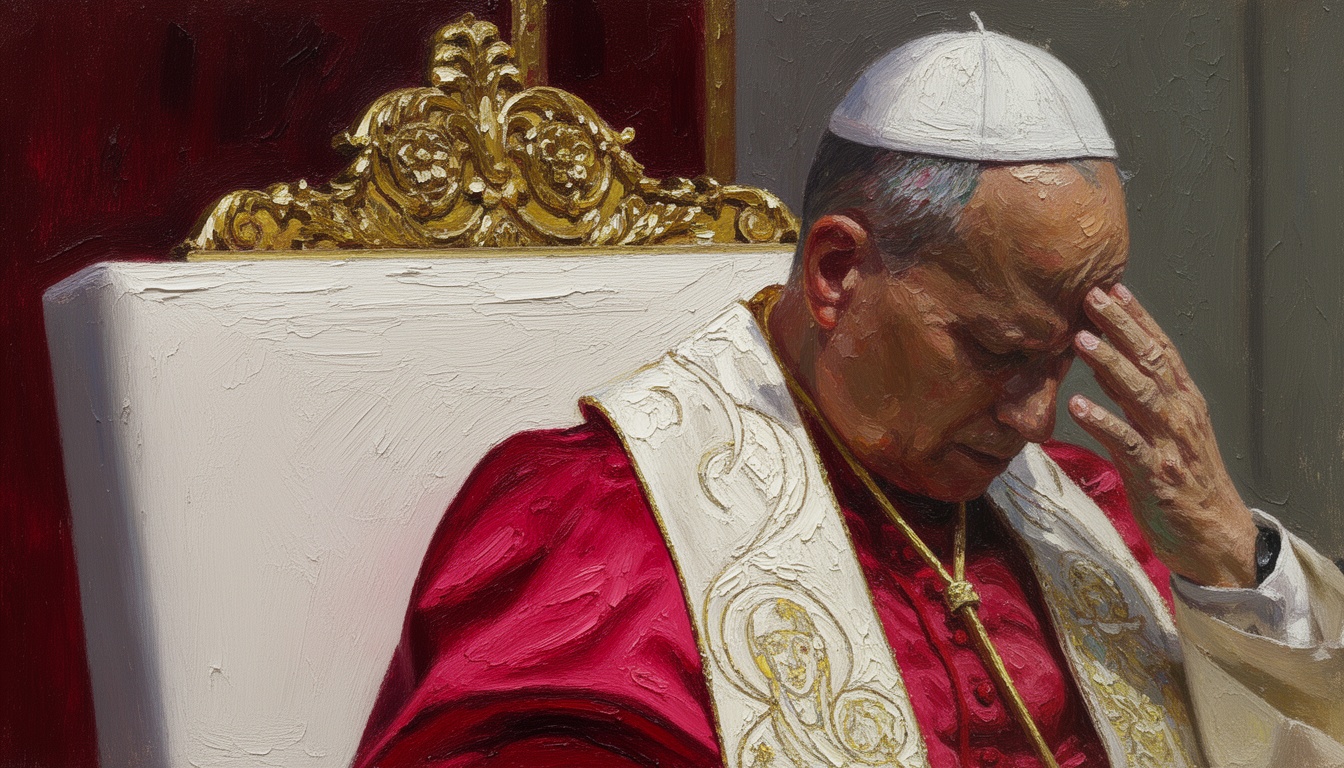
Pope denounces delusion of omnipotence fueling US-Israel clash with Iran
Pope Leo X calls out the perceived omnipotence behind Western efforts against Iran, urging leaders to pause conflict and pursue peace talks. He spoke during a public service as negotiations in Pakistan and a fragile ceasefire stage unfold. The pontiff did not reference the US president or specific nations by name in his remarks.
Pope Leo issued his most forceful critique yet of what he described as a delusion of omnipotence driving a US-Israeli confrontation with Iran. He framed the crisis as a crisis of leadership and warned that hubris could derail any chance for peace. The pontiff spoke during an evening prayer service in St Peter’s Basilica, aligning his spiritual appeal with a moment of international tension. He urged political leaders to step back, open negotiations, and seek a durable ceasefire through dialogue rather than force.
The pope’s rhetoric arrives as face-to-face negotiations between the United States and Iran began in Pakistan, while a fragile ceasefire holds in the region. The timing underscores his message: diplomacy must replace orders from on high if civilians are to be shielded from renewed hostilities. The visit of a global religious figure to the heart of the Catholic Church adds moral weight to calls for restraint. The pope did not name any nation or leader in his sermon, but his words cut across the current political narrative centered on Washington and Tel Aviv.
Historically, the papacy has walked a narrow line between moral suasion and political neutrality. In this instance, the call for a ceasefire and negotiation reflects a strategic aim: to limit escalation and preserve regional stability. If leaders embrace talks, the risk of a broader regional conflagration could be reduced. Conversely, continued brinkmanship could intensify regional power dynamics and threaten global energy security as well as humanitarian conditions.
On the substance, the pope’s address did not provide policy prescriptions or military assessments. It focused on ethics, restraint, and the necessity of dialogue to avert miscalculation. The moment also highlights Western and regional stakes: any misstep here could redefine deterrence, alliance cohesion, and the balance of power in the Middle East for years to come. Observers will watch for how this moral appeal translates into political action or simply becomes another voice amid febrile negotiations.
The likely consequences hinge on leaders’ reactions. A successful shift toward negotiation could stabilize a volatile arc of tension and buy time for durable diplomacy. Failure to move away from a war footing could harden positions, complicate negotiations, and prolong suffering in multiple capitals. The pope’s intervention thus amplifies the cost of inaction and raises expectations that peace processes will take root despite deep political divides.