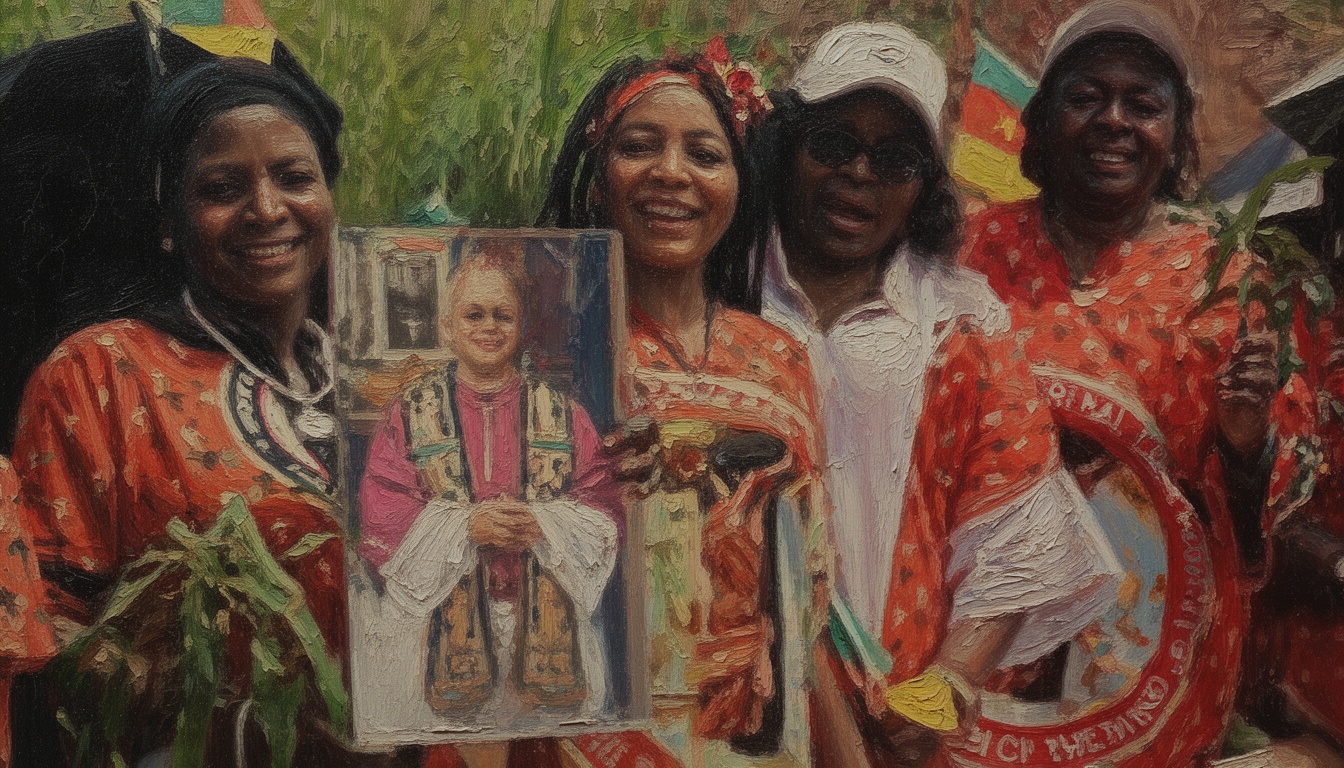
Pope blasts exploiters of Africa as Cameroon visit unfolds
During a high-profile trip to conflict-affected Cameroon, the pontiff condemned foreign actors he says profit from instability. He framed the issue as a moral crisis tied to aid, development, and governance. The remarks underscore a broader Vatican emphasis on justice and global inequality, with potential diplomatic ripples across Africa and Europe.
The pope used his Cameroon visit to deliver a pointed critique of foreigners he alleges profit from Africa's turmoil. He labeled the behavior as exploitative, tying it to illicit resource extraction, predatory aid practices, and covert interference in local affairs. The remarks arrived amid ongoing tensions in parts of the region where aid flows and development projects are tightly wound with security concerns. The address framed Africa's challenges as a moral test for the international community, calling for accountability and reform rather than mere charity.
Background context: Cameroon has faced multiple security challenges in recent years, including insurgent activity, intercommunal violence, and disruptive external actors seeking strategic leverage. The pope’s remarks align with a long-standing Vatican stance on economic justice, the sanctity of human life, and the need for responsible stewardship of natural resources. Local bishops and civil society groups have long urged greater European and global commitment to accountable governance and sustainable development.
Strategic significance: The pontiff’s language signals a renewed Vatican focus on migration, development aid, and ethical diplomacy in Africa. While not a policy shift from a state actor, the rhetoric could influence Catholic charities and donor countries in how they engage with Cameroon and neighboring states. States with significant aid footprints may recalibrate messaging to emphasize transparent governance, anti-corruption measures, and community-led development.
Technical/operational details: There are no new military or security deployments linked to the pope’s statements. The discussion centers on aid governance, development projects, and resource rights rather than armed action. The Vatican’s engagement in Africa remains rooted in humanitarian relief, education, and interfaith outreach, with influence arising from soft power and moral suasion rather than force. Analysts will watch for any shifts in aid allocation or collaboration with regional institutions as a consequence of the remarks.
Likely consequences and forward assessment: The comments could bolster civil society campaigns against predatory external actors and bolster calls for greater transparency in aid flows. They may complicate diplomatic narratives for countries that rely on aid conditionalities, potentially pressuring donors to adopt stricter governance criteria. Over the longer term, the pope’s stance could contribute to a broader moral discourse that influences international policy on development, trade, and conflict prevention in Africa.