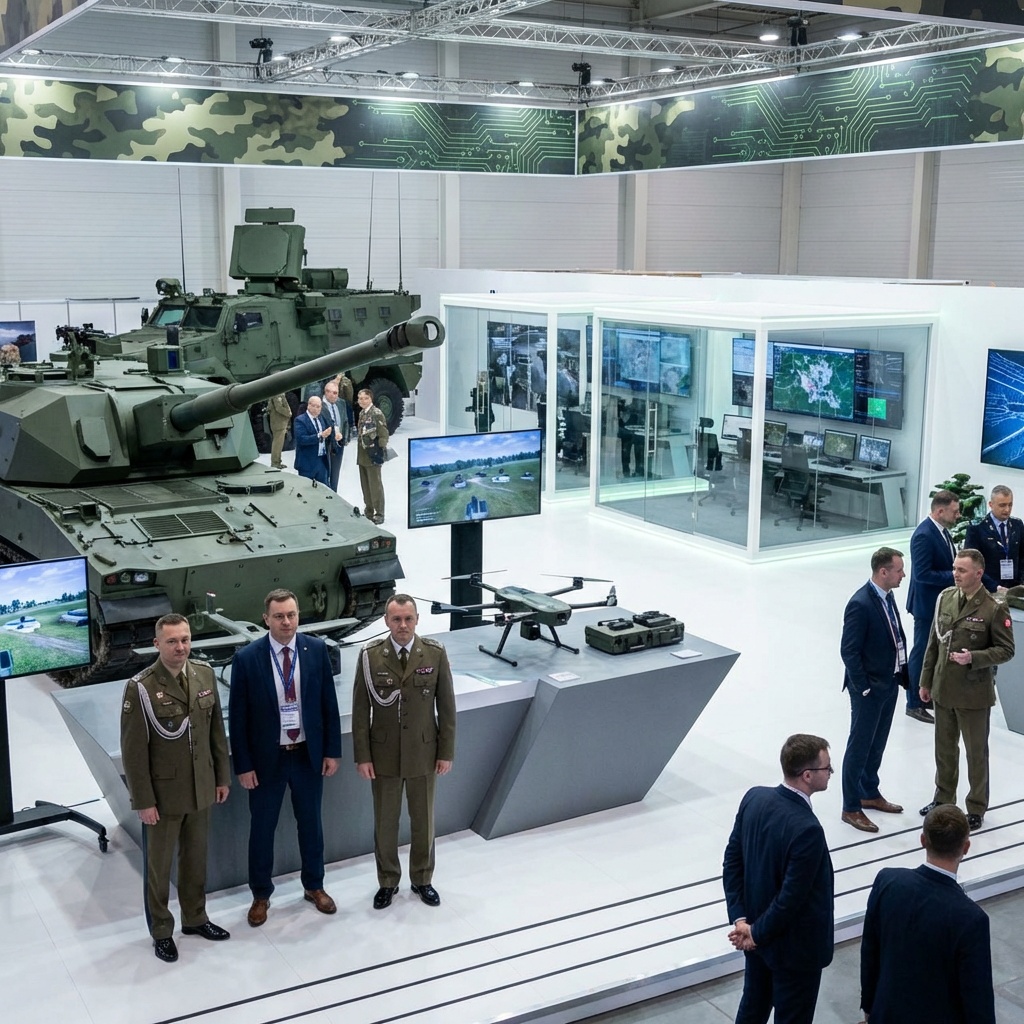
Poland Allocates $51B in EU SAFE Loans for Defense Modernization
Poland's government has detailed a $51 billion defense spending plan funded by EU SAFE loans, set for 2026-2030. The investment will cover various military sectors, focusing on artillery, cybersecurity, and ground combat enhancements.
Poland's recent announcement regarding its defense budget highlights a significant commitment to modernizing its military capabilities, with an allocation of $51 billion sourced from EU SAFE loans to be distributed between 2026 and 2030. This extensive funding underscores Poland's strategic initiative to bolster its defense posture amid evolving security challenges in Europe. The funds will be invested in a diverse spectrum of defense systems, emphasizing artillery, cybersecurity infrastructure, and enhancements to ground combat forces.
The specifics of the investment indicate a multifaceted approach to national security, aligning with NATO standards and addressing immediate threats. The artillery enhancements indicated are likely to include advanced systems that augment Poland's existing artillery brigades, potentially incorporating precision-guided munitions and modern battlefield management systems. Furthermore, the emphasis on cybersecurity is particularly timely, given the increasing incidents of cyber warfare, making it a critical area of focus for securing military and national information systems.
The strategic significance of Poland's defense spending cannot be understated, especially within the context of its geographical positioning and the current global security climate. By investing substantially in modern warfare capabilities, Poland aims to maintain a robust defense against regional threats, particularly from Russia, while simultaneously increasing its interoperability with NATO forces. This aligns with the collective defense goals of enhancing deterrence amongst member states.
The manufacturers and developers involved in this extensive procurement plan will likely encompass both domestic and international defense contractors, as Poland aims to bolster its indigenous defense industrial base as well. Collaborations may arise with established defense giants, enabling Poland to integrate advanced technologies into its military infrastructure. By securing state-of-the-art systems, Poland intends to create a more agile and responsive military force capable of contemporary conflict dynamics.
In conclusion, Poland's $51 billion investment marks a pivotal moment in its defense strategy, representing a blend of modernization and strategic readiness. This investment not only signifies Poland's commitment to enhancing its military capabilities but also serves as a message to allies and adversaries alike about its resolve to secure national and regional stability. The implications of these advancements will be closely monitored in the coming years, shaping the defense landscape in Central and Eastern Europe.