Pilot’s Tactical Mastery with F4U-1 Earns Medal of Honor Amid Combat
The Medal of Honor awarded to a WWII pilot highlights the strategic impact of the Vought F4U-1 Corsair. Kenneth Walsh's tactics during intense combat redefined aerial warfare and reflect significant wartime innovations.
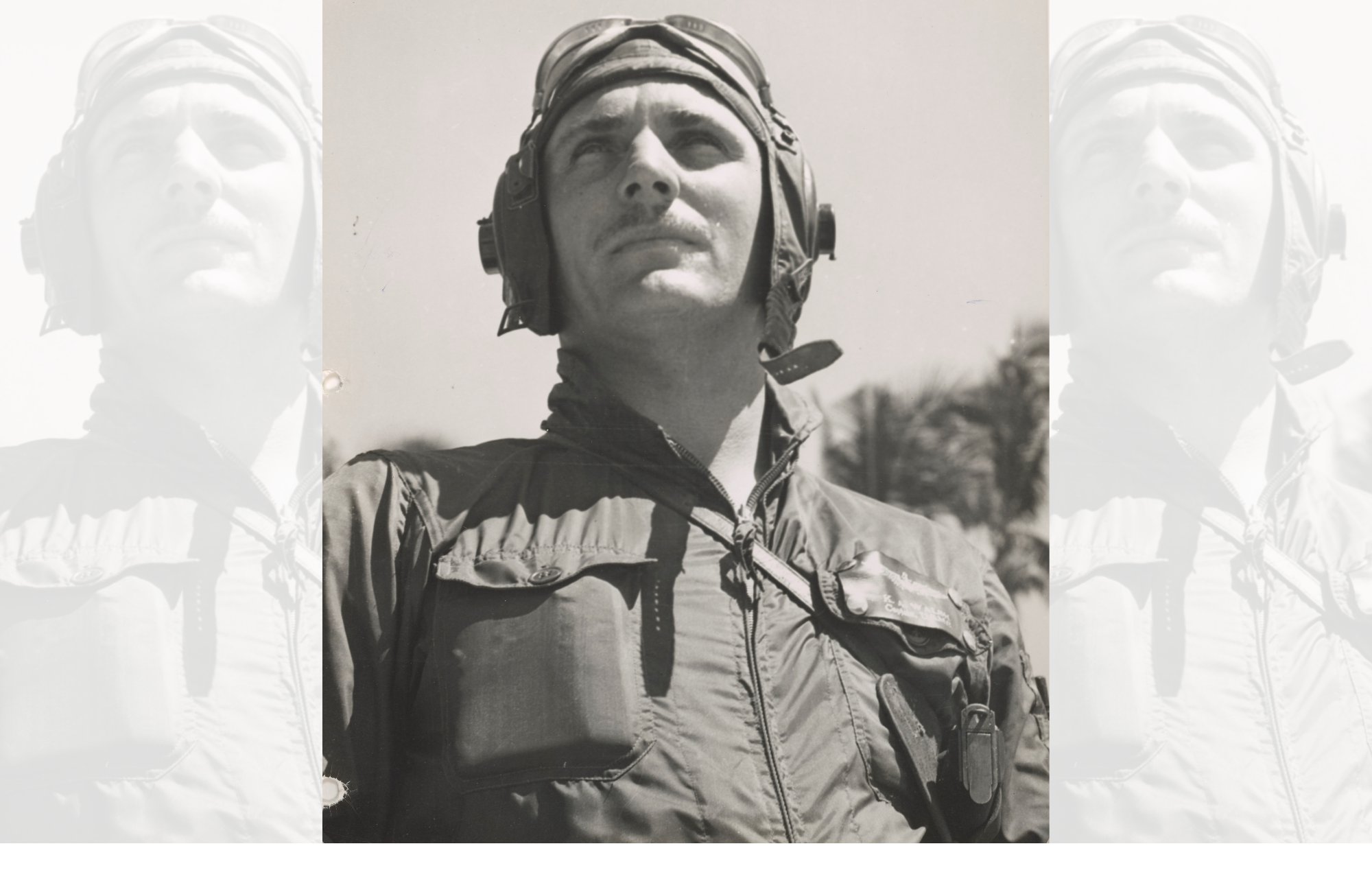
Kenneth Walsh, a former U.S. Navy pilot, was recently awarded the Medal of Honor for his extraordinary combat performance while flying the Vought F4U-1 Corsair, known colloquially as 'Whistling Death.' Walsh's innovative tactical doctrine contributed to the aircraft's effectiveness in World War II, allowing him to engage enemy forces with unprecedented success. His contributions not only highlight his bravery but also redefine the role of tactical flight in modern warfare.
The background of this honor can be traced back to the pivotal battles in the Pacific during World War II, where the F4U-1 Corsair proved to be a game-changer in combat situations. Initially introduced as a carrier-based fighter, the Corsair quickly gained a reputation for its speed and firepower, leading to a shift in aerial combat strategies. Walsh’s aptitude for executing complex maneuvers and combat strategies exemplified the evolving requirements of naval aviation during the intense conflict.
This recognition is significant, emphasizing the sometimes-overlooked impact of individual pilots on military strategy and armament effectiveness. By integrating new tactics with the capabilities of the F4U-1, Walsh set a standard that future air operations would emulate. His legacy underscores the interplay between technological advancement and human ingenuity in high-stakes environments, potentially influencing defense policy regarding investments in next-generation aircraft.
Key actors in this narrative include not just Walsh but also military strategists and defense leaders who recognized the value of evolving air tactics during wartime. Walsh's approach challenges traditional aerial combat notions, illustrating a need for continuous adaptation in training and operations. The recognition of his contributions could influence younger generations of pilots and military strategy formulation focused on flexibility and innovation in air engagements.
Operationally, the Vought F4U-1 was equipped with a Pratt & Whitney R-2800 Double Wasp engine, capable of producing 2,000 horsepower, reaching speeds up to 417 mph. Its armament included six .50 caliber M2 Browning machine guns and the capacity for bombs and rockets, positioning it as a formidable opponent. Walsh’s adept usage of these capabilities in real combat created a blueprint for future fighter engagements, emphasizing both tactical application and technological efficiency.
The likely consequences of this recognition could reignite interest in historical air tactics and encourage current military frameworks to study Walsh's doctrine. As defense ministries reassess aerial strategy, Walsh’s advancements could serve as critical case studies for modern conflicts. The strategic implications suggest a reverberation of Walsh's techniques through contemporary military doctrine, potentially shifting how air superiority is approached in current geopolitical conflicts.
Historical parallels can be drawn from previous military figures whose tactical innovations led to shifts in operational paradigms. The evolution seen from biplanes to more advanced fighters during and after World War I illustrates a similar trajectory. In this case, Walsh's tactics under the pressure of wartime dynamics reflect historical milestones that changed the course of air operations during critical battles in the Pacific.
Moving forward, defense analysts should monitor how Walsh's recognition impacts aviation training programs, particularly in tactical air engagement and new pilot education. Key indicators will include shifts in naval aviation curricula, investments in modern fighter technologies, and the strategic integration of historical lessons into contemporary military doctrines. The legacy of Kenneth Walsh is poised to resonate well beyond his heroic actions, prompting a re-evaluation of tactical flight history and its implications for future warfare.