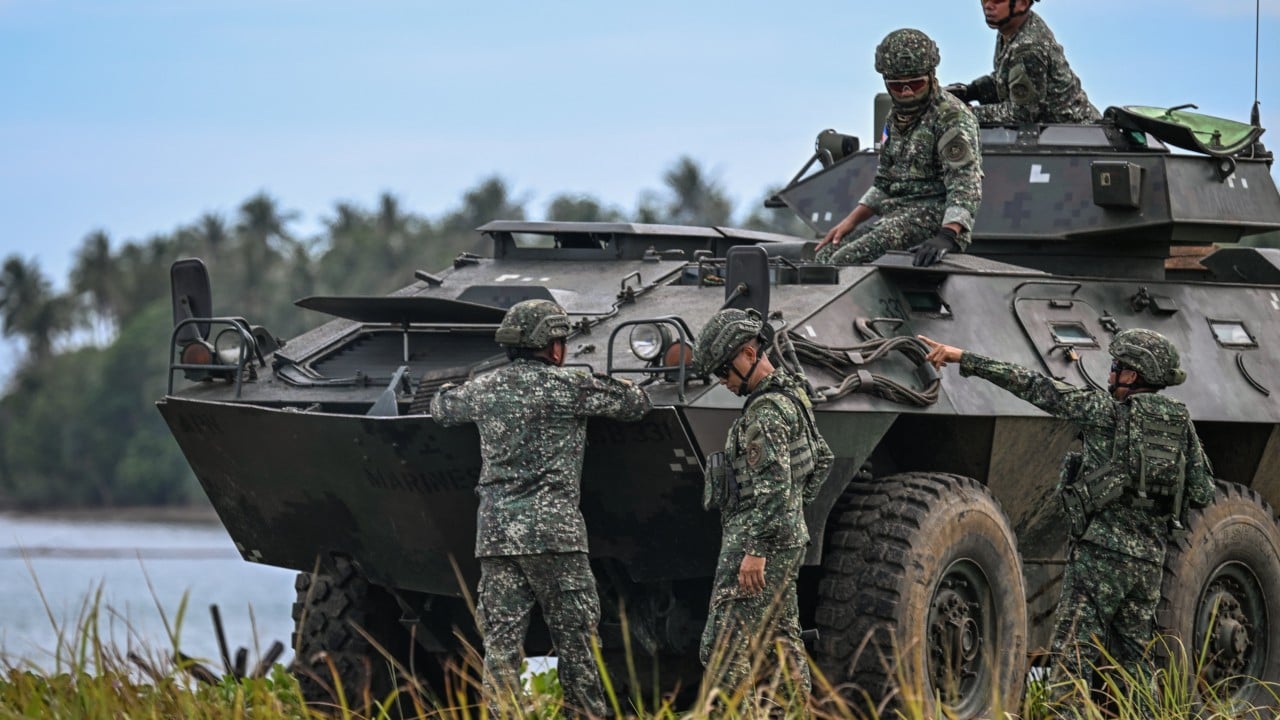
Philippines Faces Strategic Dilemma Over NATO and US Demands
The Philippines is pursuing expanded defense cooperation with NATO's European members amid ongoing US criticism of NATO's Middle East engagement. This development could place Manila in a strategic dilemma between its historical US alliance and emerging ties with NATO.
The Philippines has initiated efforts to broaden its defense cooperation beyond its traditional partner, the United States, by engaging NATO's European members. This initiative comes as US President Donald Trump publicly criticized NATO for insufficient involvement in Middle Eastern conflicts, raising questions about the alliance's operational priorities. The Philippine government's outreach aims to diversify its security partnerships and enhance multilateral defense collaboration.
Technically, this cooperation could involve joint military exercises, intelligence sharing, and capacity-building programs with NATO members, leveraging their advanced defense capabilities. However, NATO's collective defense mechanism under Article 5 predominantly focuses on Euro-Atlantic security, which limits its direct military commitments in Asia-Pacific, presenting a complex dynamic for Manila to navigate.
Strategically, the Philippines could encounter a juxtaposition of interests: maintaining its historically strong bilateral defense ties with the US, which remains the cornerstone of its security policy, while simultaneously pursuing broader NATO collaboration that may not align perfectly with US expectations or NATO's strategic priorities. This scenario presents a 'strategic dilemma' regarding balancing alliances and ensuring national security interests.
NATO, comprised of 32 member states, is primarily led by the US, which influences its policy orientations. Manila's engagement reflects a trend among smaller states seeking diversified security partnerships amid evolving global threats and shifting geopolitical alignments. Potential applications of such cooperation include maritime security, counterterrorism, and regional stability initiatives.
In conclusion, while the Philippines' NATO engagement signals an effort to broaden its defense framework, it must carefully manage its strategic relationships to avoid conflicting commitments and maximize security outcomes.