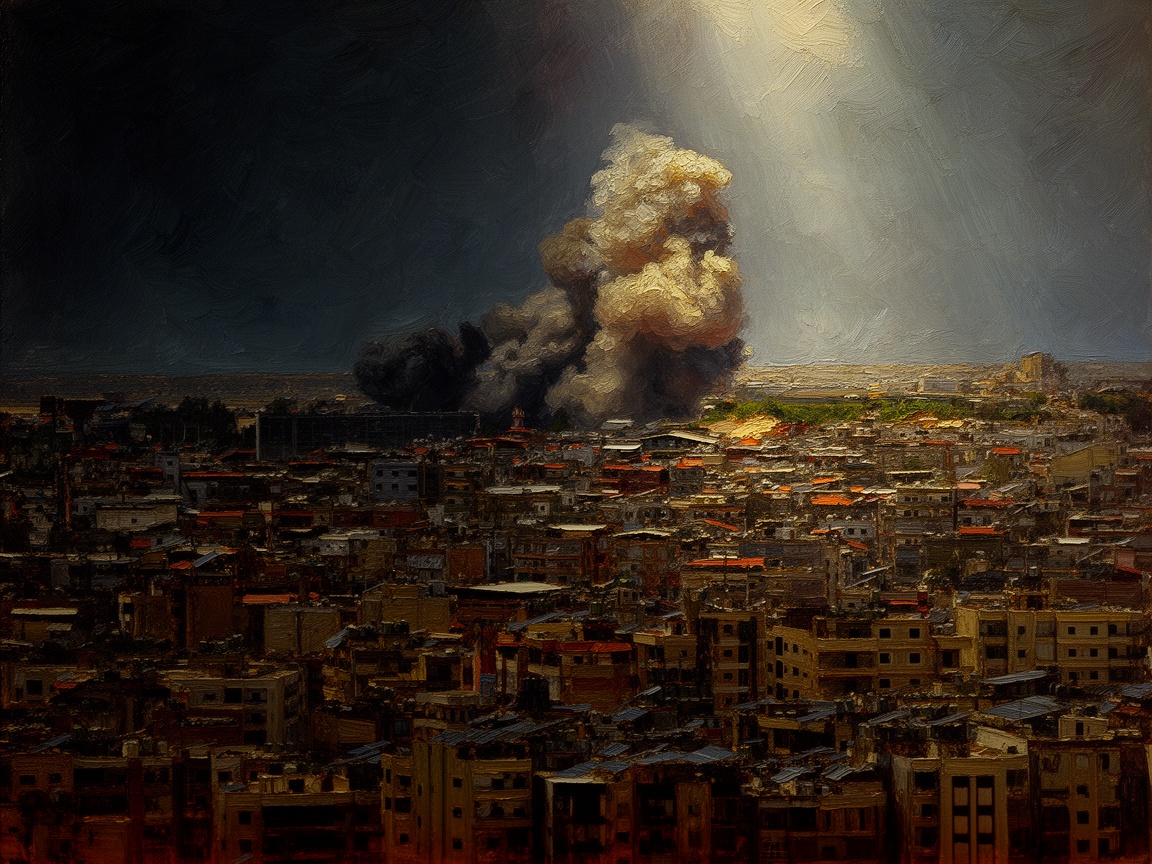
‘People are afraid’: Lebanese reeling after Israel’s devastating attacks
Israeli airstrikes have caused widespread destruction across Lebanon, intensifying fears and fueling debate over the ceasefire's stability. The attacks mark a significant escalation, threatening regional security and complicating peace efforts.
Israel launched a series of intense airstrikes across Lebanon, causing extensive damage and civilian casualties. The scale of destruction has provoked widespread fear and uncertainty among the Lebanese population. The strikes have reignited tensions in an already volatile region.
These attacks come amid fragile ceasefire conditions following recent conflict flare-ups. Lebanon’s government and local factions are contesting the ceasefire terms, raising concerns about potential renewed hostilities. The situation reflects the enduring instability along Israel-Lebanon borders.
Strategically, the strikes underscore Israel’s intent to project power and deter hostile actions from Lebanese militant groups. The devastation also disrupts Lebanon’s internal dynamics, complicating efforts to maintain calm. Regional powers are closely monitoring developments, aware that escalation could engulf neighboring countries.
Operationally, Israel has employed precision airstrikes targeting alleged militant infrastructure. The strikes used advanced munitions designed to minimize Israeli military exposure but caused considerable collateral damage in Lebanese urban centers. Reports indicate high civilian distress and infrastructure loss.
The aftermath suggests Lebanon faces a protracted crisis marked by humanitarian challenges and heightened security risks. Diplomatic efforts to reinforce the ceasefire will likely intensify, but the potential for renewed violent engagements remains high. The broader region watches warily as tensions escalate.