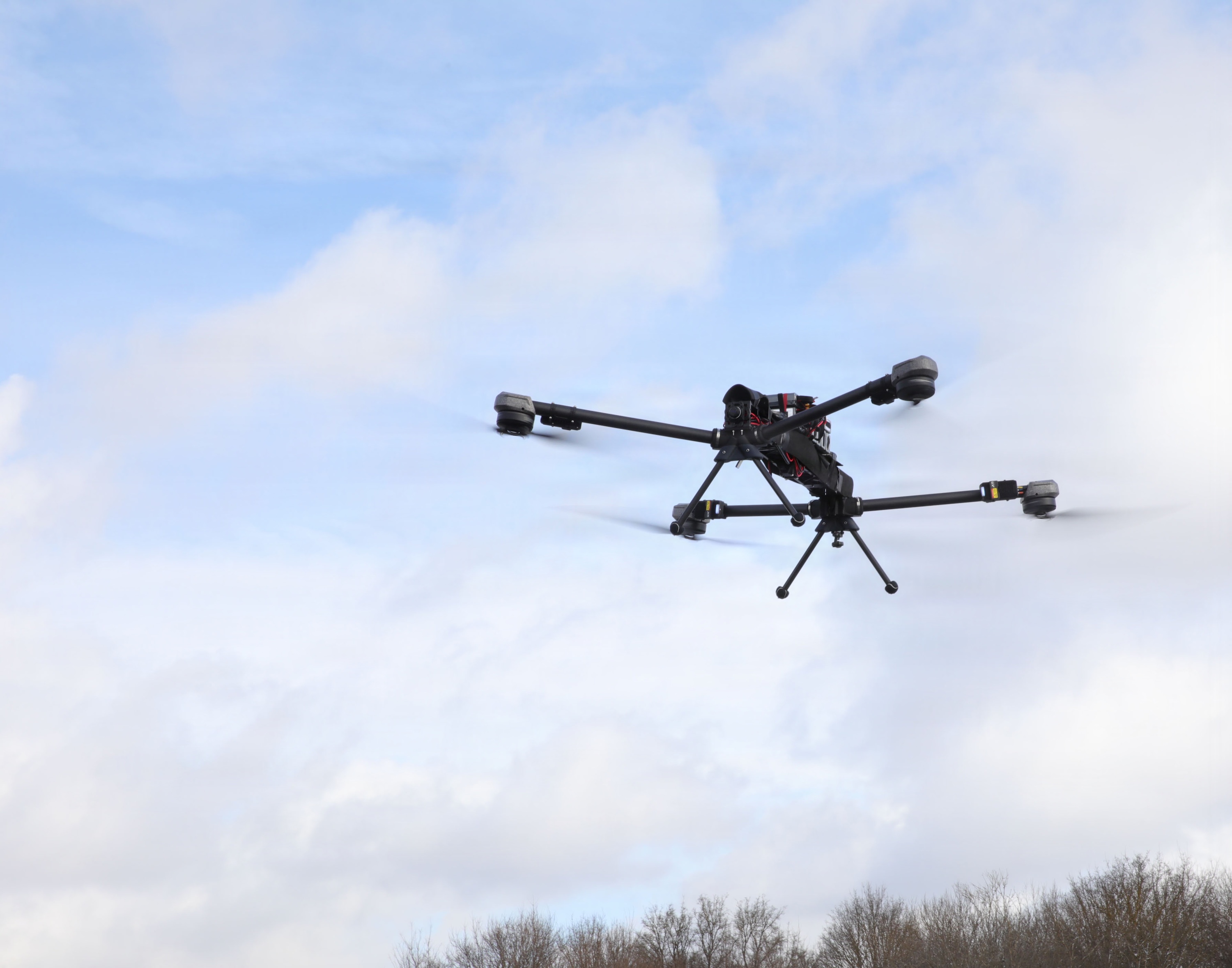
Pentagon to Test High-Energy Laser Against Drones This Weekend
The Pentagon's counter-drone task force is escalating its efforts with impending tests of a high-energy laser, signaling serious defense advancements in drone warfare capabilities. This development reflects the growing threat posed by drone swarms to military assets and civilian security.
The Pentagon plans to conduct high-stakes tests of a high-energy laser system designed to neutralize drone threats at White Sands Missile Range. These tests, scheduled for this weekend, showcase the urgency with which the Pentagon is addressing the escalating drone warfare landscape. This laser system aims not only to destroy incoming drones but also to disrupt swarm tactics employed by adversaries.
Drone warfare has significantly evolved over the last decade, with non-state actors and state militaries leveraging drones for reconnaissance, delivery of munitions, and terrorism. The use of sophisticated drone swarms has emerged as a critical challenge, with incidents in conflicts like Syria and the Nagorno-Karabakh war highlighting their potential effectiveness. This historical backdrop underscores the necessity for advanced countermeasures, such as high-energy lasers, in modern military strategy.
The implications of this test extend beyond mere technological advancement; they signal a paradigm shift in air defense strategy. As drone capabilities continue to proliferate globally, dominant military powers, including Russia and China, are investing heavily in drone technology, enabling them to compete more aggressively in asymmetric warfare. Failure to counter this threat effectively could expose vulnerabilities in air defense systems, jeopardizing military and civilian infrastructures.
The key actors in this development are the U.S. military, which aims to solidify its position at the forefront of air defense technology, and international adversaries who are rapidly advancing their own drone capabilities. The Pentagon’s motivations are clear: they must not only defend against current threats but also deter future engagement from adversaries utilizing drone swarms in combat.
The technical composition of the high-energy laser system, including specific power output and engagement range, remains classified; however, it is expected to deliver precise and lethal force against unmanned aerial vehicles (UAVs). With precise targeting, the system could potentially neutralize drones at distances exceeding several kilometers. The resource allocation for these developments reflects an ongoing shift towards adapting to modern threats, with increased budgetary commitments towards advanced weapons technology.
Likely consequences of this test could include rapid escalation of similar defensive technologies among international military actors, leading to a new arms race in aerial capabilities. If successful, the U.S. may double down on laser technology for broader military applications, prompting adversaries to accelerate their drone development programs, focusing on counter-laser strategies and enhanced UAV resilience.
This development is reminiscent of the Cold War arms race, particularly the nuclear deterrent race, where each side sought to outdo the other with advanced technology. The race for aerial superiority is mirroring those historical tensions — with laser systems potentially becoming the new standard in aerial defense, reminiscent of how missile defense systems were integrated decades ago.
In the near term, defense analysts should watch for results from the laser tests this weekend, as success could lead to increased production and deployment timelines. Additionally, intelligence communities should monitor how adversary states respond to this technological leap, looking for indicators of their own developments in drone warfare and countermeasures.