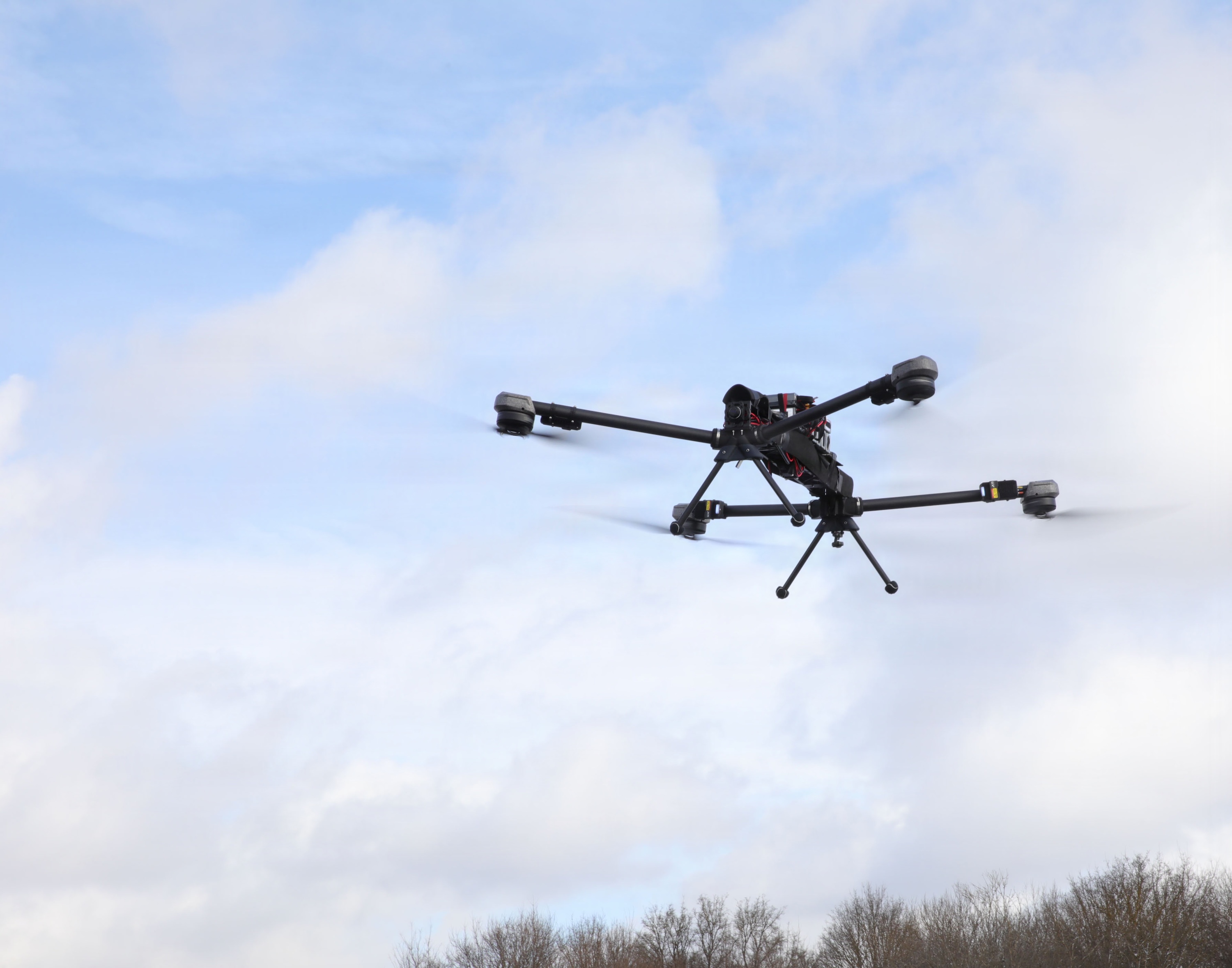
Pentagon Tests High-Energy Laser System Against Drones
The Pentagon's counter-drone task force will evaluate a high-energy laser system at White Sands Missile Range. This test aims to enhance counter-drone capabilities in a rapidly evolving threat landscape.
The Pentagon is advancing its counter-drone initiatives with an upcoming test of a high-energy laser system designed to intercept and neutralize UAV threats. Scheduled for execution at the White Sands Missile Range this weekend, the demonstration represents a significant step in demonstrating the capabilities and effectiveness of laser weapons in real operational environments.
The system being tested is a solid-state, tactical laser weapon with the ability to engage various types of drones at differing ranges. While precise technical specifications have not been disclosed, current high-energy laser systems in development typically exhibit power outputs in the range of 20-60 kilowatts. Such laser systems are designed to target, track, and disable unmanned aerial vehicles (UAVs) through directed energy, offering a cost-effective alternative to conventional munitions, which often entail higher operational costs and logistical challenges.
The strategic significance of this test cannot be overstated. As drone technology becomes increasingly accessible and sophisticated, adversaries are utilizing UAVs for reconnaissance, intelligence gathering, and offensive operations. The ability to effectively neutralize these threats with a high-energy laser not only bolsters national security but also enhances force protection for deployed troops. Furthermore, laser systems can mitigate collateral damage associated with explosive-based weaponry, aligning with modern military operational doctrines emphasizing precision engagement.
This initiative falls under the umbrella of the Pentagon's ongoing efforts to integrate advanced technologies into its military capabilities, with the development led by organizations such as the Defense Advanced Research Projects Agency (DARPA) and various defense contractors specializing in directed energy systems. The collaboration between military and industry players signifies a commitment to maintaining technological superiority in defense capabilities.
Potential applications of laser weapon systems extend beyond counter-drone operations, as the technology can be adapted for use against ground-based threats and even incoming missiles, providing a multi-faceted defense mechanism. As the military continues to conduct rigorous tests, the effectiveness of laser weapons may redefine engagement strategies and shape future defense operations.