Pentagon Seeks $50 Million for War Department Name Change
The Pentagon plans to allocate $50 million to rename the Defense Department to the War Department, igniting potential political battles.
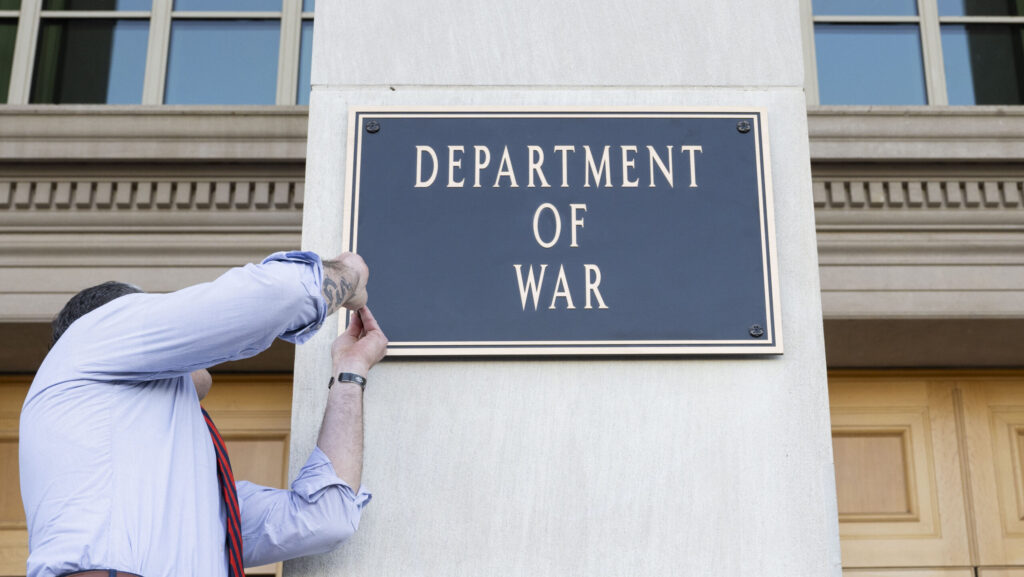
The Pentagon has initiated a legislative proposal to rename the Department of Defense to the War Department, indicating a significant shift in its organizational identity. This proposal is part of a broader push to realign the focus and terminology of U.S. military operations. The planned name change is projected to cost around $50 million in fiscal year 2026, outlining a financial commitment that accompanies this rebranding effort.
This push for a name change comes amidst a backdrop of escalating global military tensions and a re-evaluation of defense priorities. The term 'War Department' historically evokes a direct and aggressive military posture, reflecting a commitment to readiness and operational engagement in conflict. Supporters argue that this change could foster greater clarity of mission and purpose within the military, especially in an era defined by multifaceted threats.
Strategically, the name change could alter perceptions both domestically and internationally. A renaming to the War Department would signal an unambiguous commitment to military readiness, potentially influencing how adversaries view U.S. military capabilities. The shift may also deepen existing partisan divides, with Democrats likely opposing the move, framing it as an unnecessary militarization of defense policy at a time when diplomacy should be emphasized.
Operationally, this transition would require significant adjustments, not only in funding but also in administrative practices and public communications. The projected $50 million expenditure is expected to cover a range of costs, including new signage, stationery, and the rebranding of documents and digital platforms associated with the agency. This financial investment underscores the seriousness of the proposal but also raises questions about resource allocation amid pressing military and humanitarian concerns.
Should the name change be approved, it could lead to profound implications for U.S. military strategy and further escalate political tensions within Congress. The future of this initiative rests on legislative negotiations and the potential backlash from various stakeholders who may see this as a departure from contemporary military norms emphasizing diplomacy and peacekeeping over overt military engagement. The proposed change highlights contrasting visions for U.S. military policy, setting the stage for a significant debate in the near future.