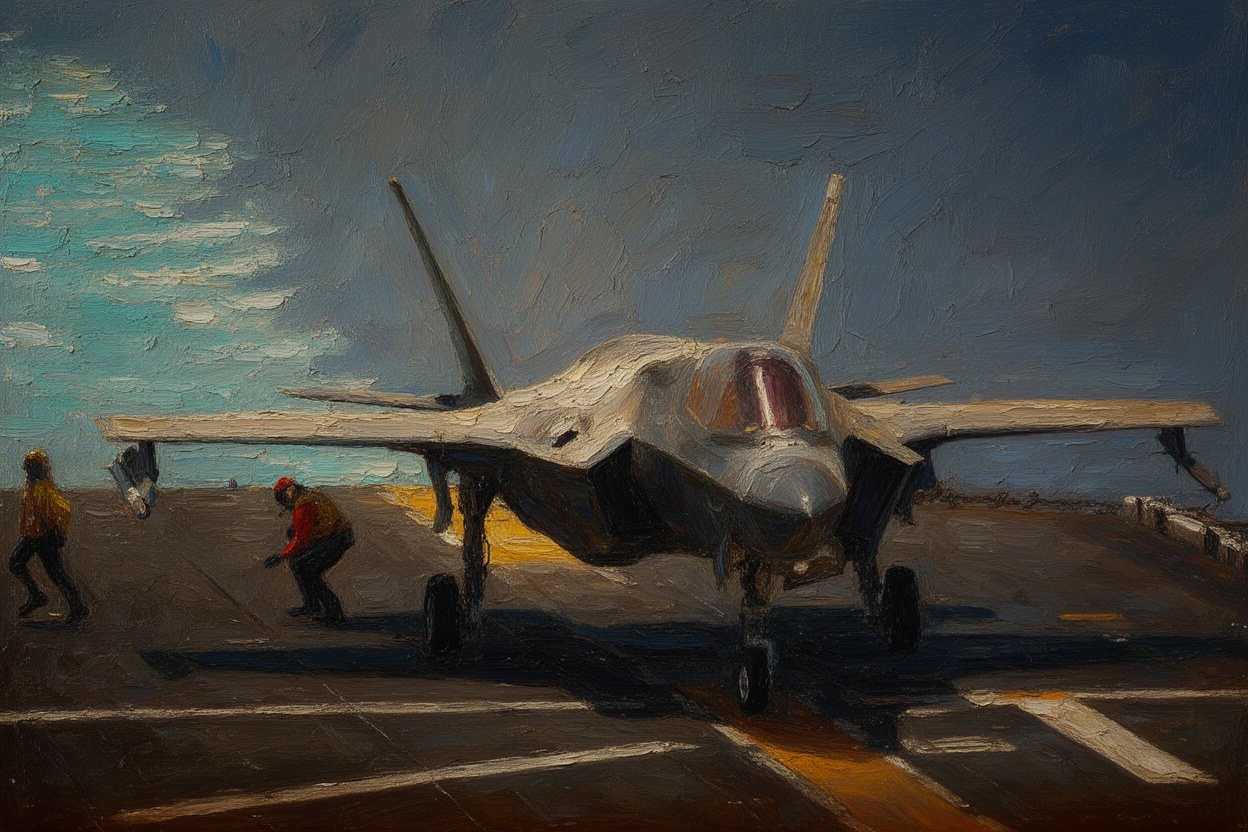
Pentagon Requests 85 F-35s in FY27 Budget Proposal
The Pentagon's fiscal 2027 budget proposal includes a request for 85 F-35 Lightning II fighters, indicating a significant increase from the 47 requested for FY26. This escalation underscores the U.S. military's ongoing commitment to enhance its combat capabilities across joint forces.
The Pentagon has unveiled its fiscal year 2027 budget request, which aims to procure 85 F-35 Lightning II fighters. This quantity marks a significant increase from the 47 F-35s requested in fiscal year 2026. This proposed procurement reflects an expanded focus on modernizing the U.S. armed forces and improving technological edge in airpower capabilities.
The F-35 Lightning II program has been a cornerstone of U.S. military modernization efforts, designed to provide advanced stealth and multi-role capabilities. The request for an increased number of these fifth-generation fighters signals confidence in the program's importance among the U.S. military services, including the Air Force, Navy, and Marine Corps. Such an investment aligns with the strategic need for a more versatile and capable joint force prepared to address contemporary security challenges.
Strategically, this request could reshape U.S. air dominance by ensuring that the Joint Strike Fighter program continues to develop and deliver modern combat capabilities. The increase in F-35 purchases may also be indicative of U.S. responses to evolving threats in various regions, particularly concerning adversarial advancements in aerial warfare technologies. As nations increase their military investments, the procurement of advanced aircraft like the F-35 becomes critical for maintaining a technological advantage.
Operationally, integrating the additional F-35s will necessitate updates to infrastructure and training programs within the services. The logistical framework to support these advanced systems must also be enhanced, including maintenance and sustainment capabilities. These factors are crucial to ensure that the F-35 fleet operates at peak readiness and effectiveness in diverse combat scenarios.
In conclusion, if approved, the increased request for F-35 fighters is likely to impact future defense budgets and strategic planning significantly. It signals a clear commitment to improving U.S. military readiness and deterrence capabilities on a global scale. The outcome of reconciliation processes will ultimately determine the trajectory of funding and the future landscape of U.S. military aviation.