Pentagon Prepares Weeks-Long Ground Ops in Iran, Military Buildup Intensifies
The Pentagon is reportedly gearing for extended ground operations in Iran, signaling heightened US military commitment in the Gulf. This escalation follows continuous deployment of major amphibious units to the region, raising stakes across the Middle East.
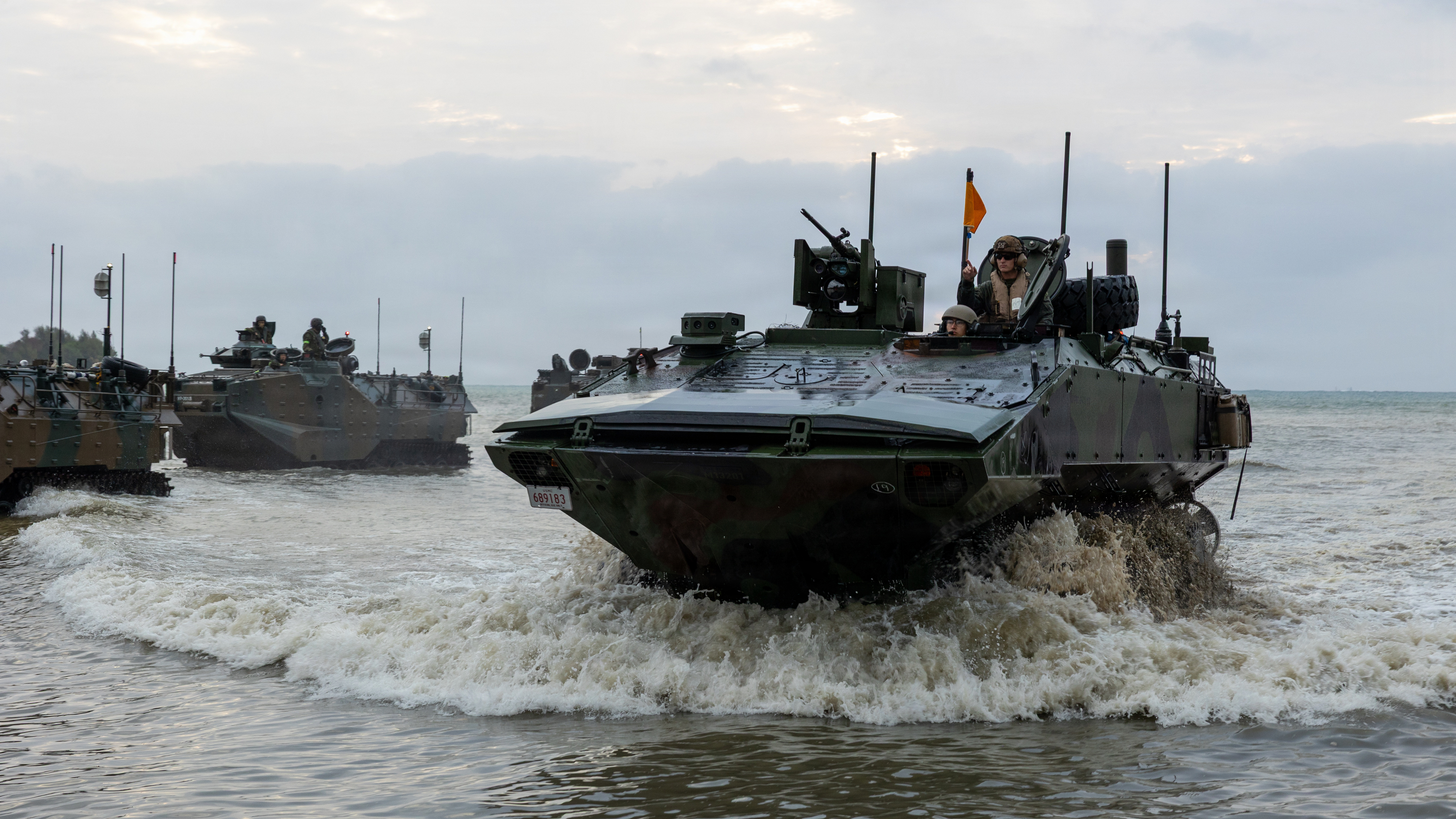
The Pentagon is reportedly preparing for sustained ground operations inside Iran lasting several weeks, according to recent defense intelligence sources. This move reflects a stark escalation amid ongoing tensions between the United States and Tehran. Recent deployments include the Tripoli Amphibious Ready Group alongside the 31st Marine Expeditionary Unit, indicating readiness for rapid, robust ground interventions.
This development comes on the heels of increased military presence in the Persian Gulf and surrounding waters. The amphibious forces provide critical projection capabilities for the US Navy’s 5th Fleet, which oversees operations in a volatile theater where Iranian proxy groups and military forces exert influence. Washington aims to deter Tehran while maintaining a visible and potent strike capacity.
Strategically, preparing extended ground operations in Iran marks a significant shift from previous US reliance on air and naval assets alone. It signals readiness to engage in protracted, possibly high-intensity conflict on Iranian soil. This has potential to dramatically reshape regional power dynamics, affecting allies and adversaries alike.
Technically, the Tripoli ARG and the 31st MEU bring a combined force of approximately 2,200 Marines, equipped with amphibious assault vehicles, artillery units, and close air support from embarked Harrier and F-35B jets. These forces enable rapid amphibious landings and sustained ground combat operations, backed by US naval and air power in the Gulf.
Forward assessment suggests a tense period ahead, with US forces positioned to launch or support extended ground campaigns if ordered. This risks direct military confrontation with Iranian forces and proxies, escalating the broader regional conflict. International actors will need to brace for increased instability and potential spillover effects from a sustained US-Iran clash.