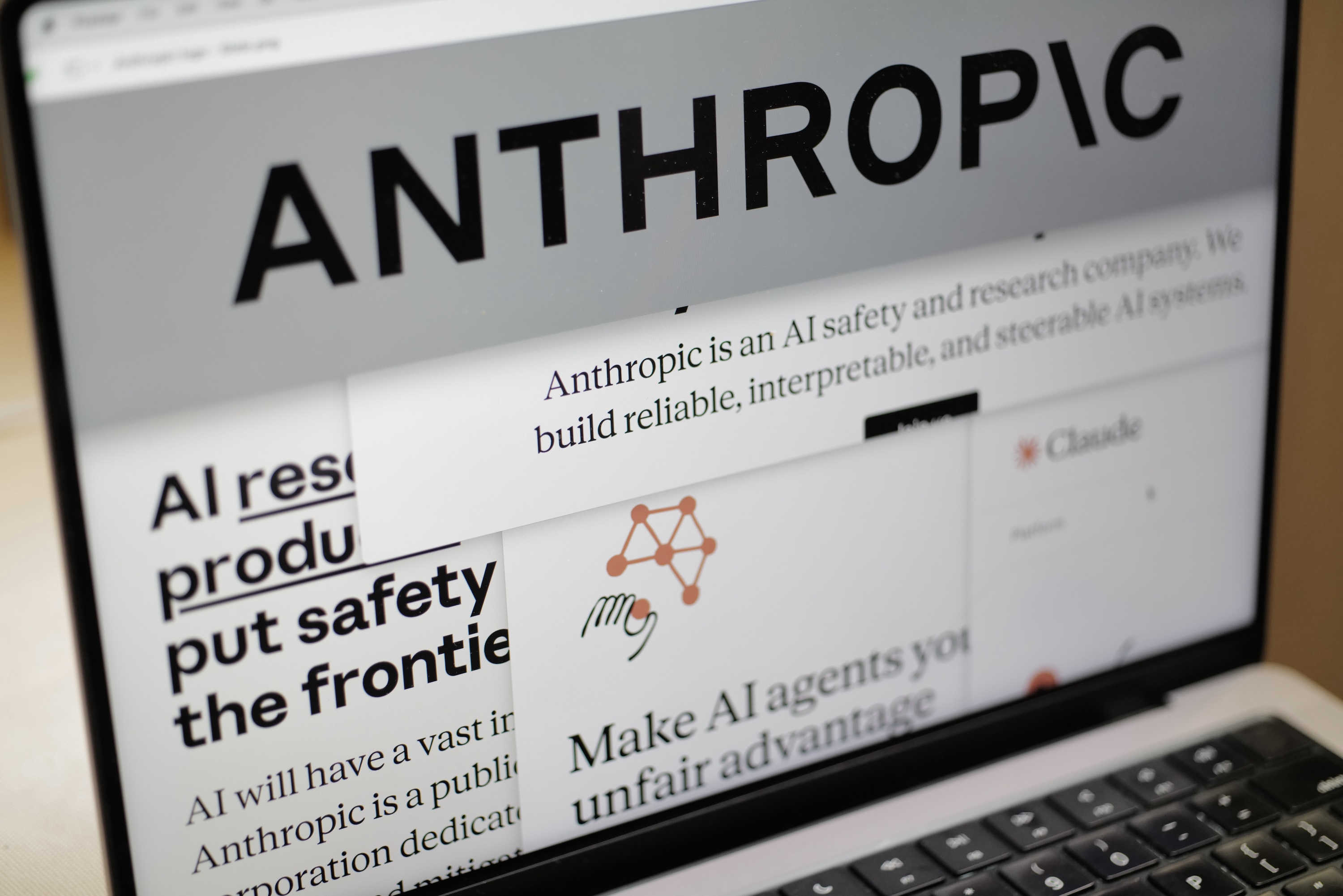
Pentagon Dispute Exposes AI Limitations for Military Warfare
The recent clash between Anthropic and the Pentagon reveals critical vulnerabilities in military AI readiness. This raises urgent questions about the effectiveness of AI systems in combat scenarios.
A significant conflict has emerged between Anthropic and the Pentagon, centering around the use of artificial intelligence in military applications. Anthropic's refusal to engage with the Pentagon on military AI contracts has not only garnered them a positive image among advocates for ethical AI but has also highlighted inherent deficiencies in current AI technology's ability to perform in high-stakes environments such as warfare. This standoff illustrates a growing debate over the ethical and operational readiness of AI in combat scenarios.
The backdrop to this crisis is the increasing militarization of AI technologies, with numerous defense contracts emerging for AI-driven applications. The U.S. military has been spending substantial resources seeking advanced AI capabilities for surveillance, logistics, and decision-making. However, Anthropic's stance reflects a serious concern that current AI models, primarily designed for conversational purposes, may lack the necessary robustness for critical military functions. This situation stems from a broader context in which the rapid development of AI technologies is not keeping pace with strategic military needs nor ethical considerations.
The implications of this stalemate are far-reaching. As military powers increasingly turn to autonomous systems, the effectiveness of AI in conflict scenarios raises significant strategic risks. If military AI systems remain unreliable, they could undermine operational effectiveness and lead to catastrophic failures on the battlefield. In contrast, firms that prioritize ethical standards in AI development may inadvertently stall military advancements at a time when militaries face threats from agile, advanced adversaries.
Key actors in this scenario include not only the Pentagon and Anthropic but also the wider defense industry and civil society. The Pentagon's pursuit of cutting-edge AI solutions is driven by a necessity to maintain military superiority, especially against rivals like China and Russia, who are aggressively advancing their own AI capabilities. Meanwhile, Anthropic positions itself as a moral leader in the tech field by rejecting military contracts, although this also places additional pressure on them to prove their AI technologies can meet non-military applications.
Technically, the developments underscore a growing mismatch between the capabilities of AI systems and the needs of modern warfare. Existing models struggle with complex decision-making under extreme conditions, casting doubt on their readiness for roles that involve life-and-death judgments. With military budgets allocated in the billions for AI development—the U.S. alone earmarked over $1 billion in the latest Defense Authorization Act—this conflict raises questions about whether these investments are being directed towards usable, effective technologies.
The likely consequences of this dispute include a halt in potential partnerships between the defense sector and AI firms that adopt similar ethical practices as Anthropic. As military demands increase for high-performance AI, alternative developers that can bridge the technological gap must emerge, possibly increasing competition and innovation in the field. Additionally, this situation carries the risk of delaying critical developments in technologies that could enhance battlefield effectiveness.
This incident is reminiscent of historical instances where rapid technological advancements have outpaced military applications, such as the initial resistance to integrating computer technology in warfare. Similar dynamics have been seen with the advent of drones, where ethical concerns initially hampered developments until necessity dominated discourse. Lessons from these precedents indicate that without swift adaptation, military reliance on AI could lead to vulnerabilities being exploited by adversaries who pursue technology with less caution regarding ethical considerations.
In the near future, analysts should closely monitor indications that either the Pentagon will seek further partnerships that reflect its urgent technological needs or that Anthropic will shift strategies in light of criticism regarding the operational efficacy of its AI systems. Developments in AI technology, military contracts issued, and further ethical debates will shape the landscape going forward, potentially redefining future military operational paradigms.