Pentagon Contracts BAE, Lockheed to Quadruple THAAD Seekers
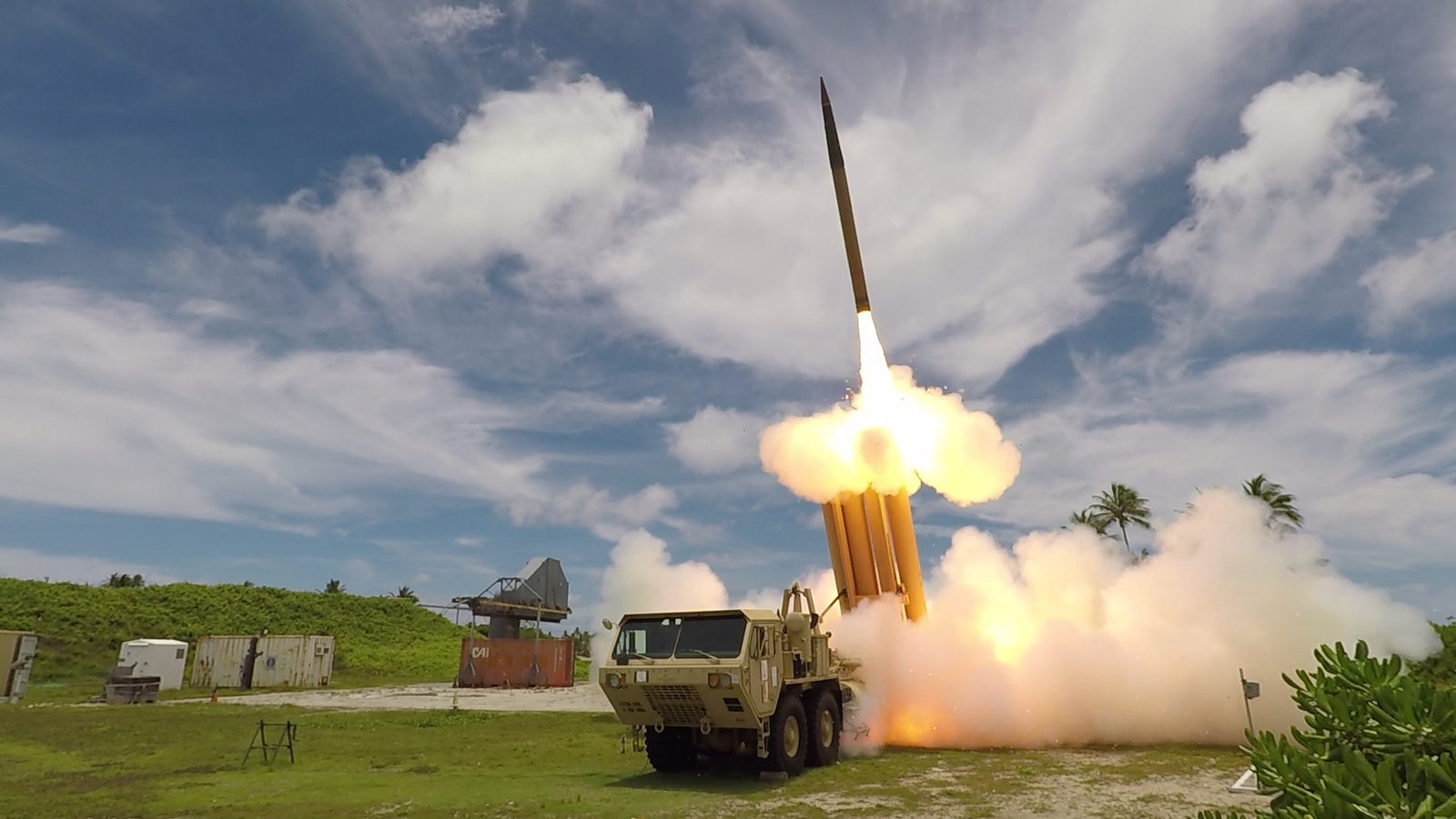
The Pentagon has signed a deal with BAE Systems and Lockheed Martin to quadruple production of THAAD missile seekers. This follows a January deal boosting annual THAAD interceptor output from 96 to 400, signaling intensified U.S. missile defense expansion.
The Pentagon has inked a contract with defense firms BAE Systems and Lockheed Martin to quadruple production of THAAD (Terminal High Altitude Area Defense) missile seekers. This agreement supports the previously established plan to expand THAAD interceptor annual output from 96 units to 400, representing the largest scale-up in years.
Background context reveals rising tensions globally have pushed missile defense priorities to new heights. The THAAD system, renowned for intercepting short- to intermediate-range ballistic missiles, serves as a critical layer of U.S. and allied defense amidst growing missile threats from regional powers.
Strategically, accelerating THAAD seeker production enhances missile defense posture across critical theaters, particularly in Asia-Pacific and the Middle East. The quadrupling of seekers aligns with expanding interceptor inventories to counter more sophisticated and numerous ballistic threats, increasing the U.S. and partner nations’ deterrence.
Technically, THAAD seekers guide interceptors during their terminal phase using advanced radar and infrared sensors, crucial for high-accuracy target discrimination and interception. The new contract taps BAE’s sensor expertise and Lockheed’s manufacturing capacity to fast-track production, ensuring delivery keeps pace with rising demand.
Looking ahead, this production surge signals a U.S. commitment to missile defense supremacy amid intensifying great power competition and missile proliferation. It positions THAAD as a foundation for layered missile shield architectures, compelling rival states to reconsider missile strategies or face higher interception risks.