Pentagon Considers Major Cuts to Army Aircraft Budget
The U.S. Army's proposed budget faces scrutiny over significant reductions in helicopter procurement. Lawmakers are concerned these cuts could impact military readiness.
The Pentagon is reportedly reassessing the U.S. Army's proposed budget, particularly regarding deep cuts to the aircraft procurement program. This review comes amid significant concerns from lawmakers about the implications of halving funding for high-profile legacy helicopter programs. Such reductions can disrupt the modernization efforts essential for maintaining operational capabilities.
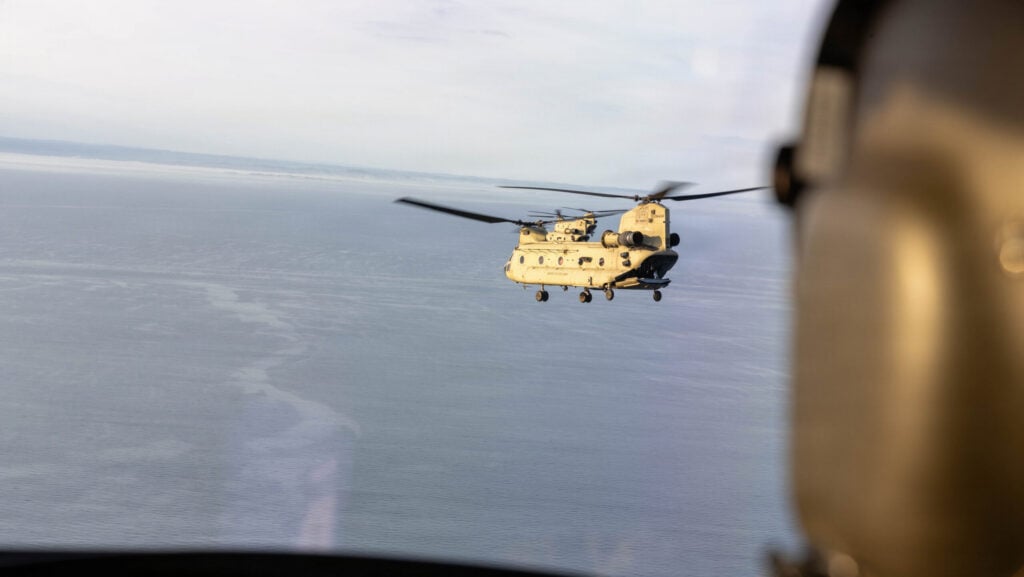
The Army's budget proposal is marked by a drastic reduction in funds allocated for new helicopter acquisitions, including critical platforms like the Boeing AH-64 Apache and Sikorsky UH-60 Black Hawk. With these cuts, operational readiness and the ability to replace aging aircraft are put at serious risk. Lawmakers emphasize that these are not just financial decisions; they are vital for the Army's long-term strategic posture.
Strategically, the implications of these budget cuts could extend beyond immediate operational capabilities. As global threats diversify, the need for a versatile and modernized aerial fleet becomes crucial for the Army's ability to respond to conflicts. A dilapidated fleet could limit the military's flexibility in potential combat operations.
The proposed budget aims to redirect funds towards other areas, but a balance must be struck to ensure that aviation capabilities are not compromised. Lawmakers have raised alarms, asserting that cutting funding for legacy systems neglects the lessons learned from recent conflicts where air support proved decisive.
If the Pentagon proceeds with these budget cuts, a serious reevaluation of strategic priorities may be warranted. The Army might face difficulty in sustaining its tactical edge, raising questions about future preparedness in an increasingly complex global security landscape.