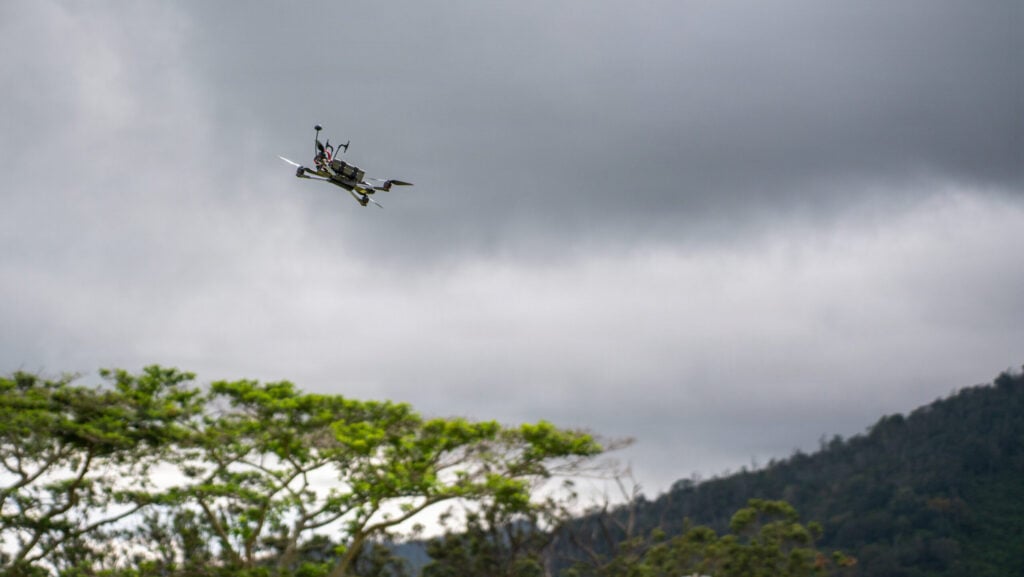
Pentagon Commits to 30,000 Kamikaze Drones Amid Military Competition
The U.S. Pentagon's imminent decision to order 30,000 one-way drones escalates the global arms race in unmanned warfare. This move dramatically alters conventional military dynamics and presents a significant shift in battlefield strategies.
The U.S. Department of Defense is set to order 30,000 one-way drones, also known as kamikaze drones, as part of its ongoing military modernization and adaptation efforts. This procurement announcement follows the conclusion of the DoD's 'Gauntlet' unmanned exercise, where various systems showcased their capabilities. An official indicated that the selection of winning drone systems will occur within days, with delivery to military units anticipated over the next five months.
The decision to order such a large quantity of unmanned aerial vehicles (UAVs) highlights a shift in military strategy toward swarm tactics that can saturate enemy defenses. Since the introduction of drones into military operations, there has been a clear trend toward increasing reliance on unmanned systems for both reconnaissance and direct strikes. This approach has been influenced by the success of drones in recent conflicts and the desire to minimize human risk on the battlefield, raising concerns about the ethics and legal implications of autonomous warfare.
This procurement is significant as it underscores the United States' commitment to maintaining technological superiority in a global arms landscape increasingly defined by advanced unmanned warfare. The infusion of 30,000 drones, variably equipped for offensive operations, could alter force-on-force calculations, particularly in potential conflict areas like the Indo-Pacific, where adversaries such as China and Russia are also rapidly expanding their drone fleets and capabilities.
Key players in the military-industrial complex are motivated by lucrative contracts and the capital investments required to develop these advanced systems. Companies participating in the Gauntlet exercise will likely vie for the contracts, as winning a portion of this massive order could secure their financial stability and technological advantage for years to come. This competitive atmosphere may lead to further innovations but also heightens the risks associated with an uncontrolled arms race among nations.
Operationally, these new drones are expected to be capable of high precision strikes and low-cost production, with reports suggesting costs around $5,000 per unit. Additionally, the one-way nature of these drones suggests they are designed for single-use missions against high-value targets, which could have detrimental effects on adversarial supply chains and command structures. The recent advancements in drone technology make these systems a formidable component of both offensive and defensive military strategies.
The looming acquisition of these drones raises multiple escalatory vectors. First, the introduction of large numbers of these systems into conflict zones could provoke adversaries to enhance their air defenses or accelerate their own drone programs, leading to a volatile arms spiral. Furthermore, the increasing capacity for autonomous drone warfare may result in miscalculations in tense situations, particularly in unstable regions where human error or mechanical failure can lead to unintended escalations.
Historically, the armament race reflects past precedents such as the infamous naval arms race prior to World War I or the Cold War's nuclear bomb buildup. The procurement of large drone fleets may likewise inspire rival nations to prioritize drone capabilities at the expense of other military assets, drastically reshaping the battlefield of the future. Preceding this procurement, other nations may seek to expedite their own capabilities in drone warfare to avoid being outmatched.
Moving forward, defense analysts should closely monitor emerging announcements from other nations regarding drone technology and quantity increases. Indicators to watch for include changes in military exercises involving UAVs, new collaborations in defense sectors focused on unmanned systems, and investment shifts toward drone-related technological advancement. The repercussions of the U.S. commitment to 30,000 one-way drones could reverberate globally, with ramifications that reach far beyond the battlefield directly involved.