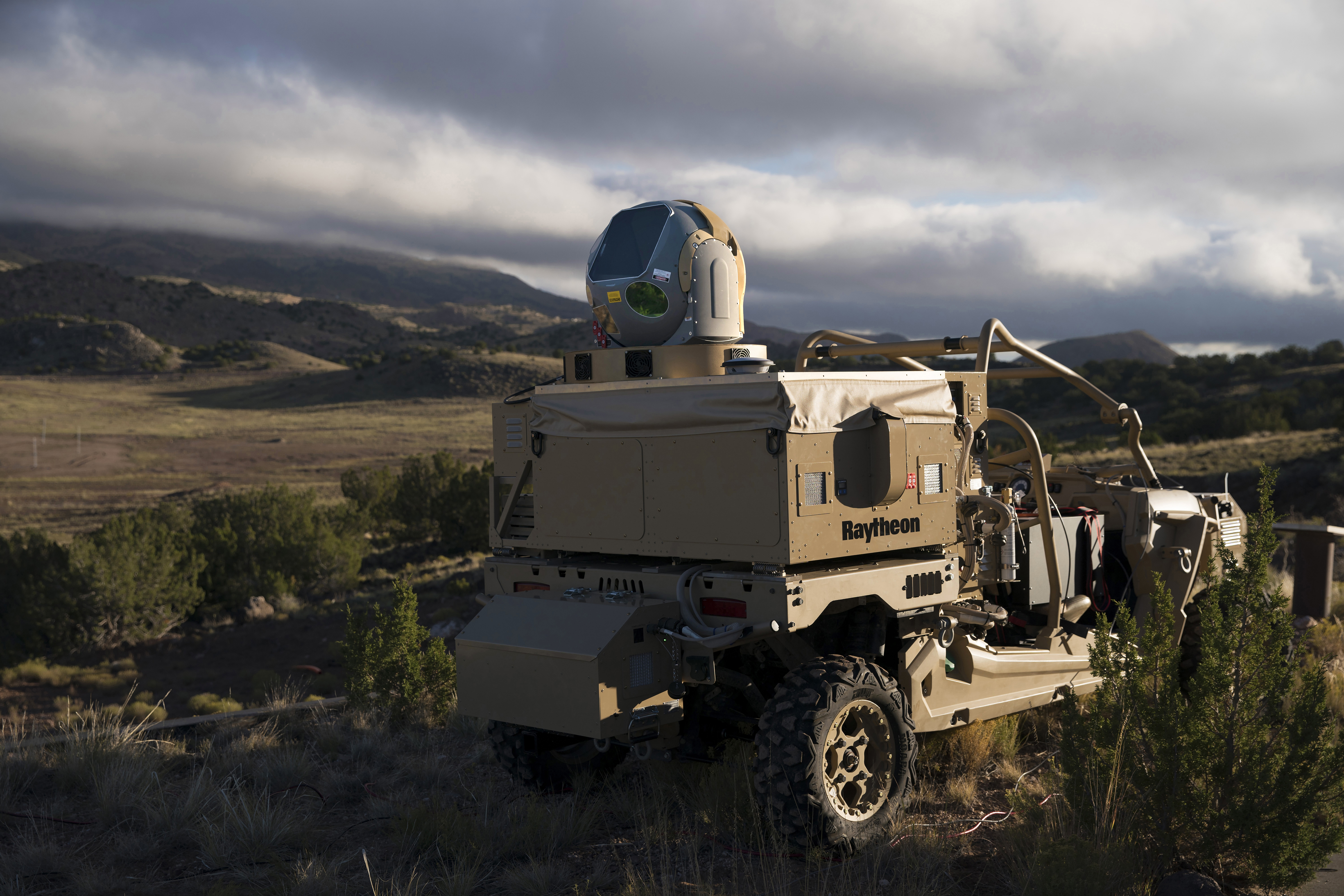
Pentagon and FAA Initiate Anti-Drone Laser Test Program in New Mexico
The Pentagon has reached an agreement with the FAA to conduct anti-drone laser tests in New Mexico, following recent incidents related to airspace closures in Texas due to laser deployments. This initiative aims to enhance counter-drone capabilities amid increasing UAS threats.
The recent agreement between the Pentagon and the Federal Aviation Administration (FAA) to carry out anti-drone laser tests in New Mexico marks a significant step forward in addressing the growing challenges posed by unmanned aerial systems (UAS). This decision follows the FAA's urgent need to close airspace in Texas on two occasions over the past month, due to safety concerns linked to the deployment of anti-drone laser systems. Such airspace closures highlight the pressing need for effective countermeasures as drone activity continues to rise in both military and civilian contexts.
The testing in New Mexico will involve advanced laser systems designed to target and neutralize hostile drones. These systems are not only intended to improve safety in shared airspace but also to validate the operational effectiveness of laser technology as a counter-drone solution. Lasers offer high precision and speed in neutralizing threats, with the ability to engage drones at varying distances without the collateral damage associated with conventional munitions.
From a strategic perspective, this initiative reflects the military's commitment to fortifying national security against potential drone incursions. The increasing sophistication of drone technologies used by both adversarial forces and non-state actors necessitates the development and deployment of robust countermeasures. By leveraging laser technology, the Pentagon aims to establish a reliable defense mechanism that can be rapidly deployed in urban and battlefield environments, where the risk of drone attacks is particularly acute.
Manufactured by leading defense contractors specializing in directed energy weapons, these laser systems integrate advanced targeting and tracking capabilities, drawing on developments in optics and precision guidance. Manufacturers are expected to collaborate closely with military personnel during the testing phase to gather data on performance metrics, which will shape future enhancements and operational doctrines regarding drone engagement.
Potential applications of this technology extend beyond military use, encompassing airport defense systems and critical infrastructure protection. As drones become more prevalent in commercial sectors, the ability to effectively counteract unauthorized drone operations will prove increasingly vital. The outcome of these tests will influence the formulation of standards and regulations regarding both civil and military drone operations, making the implications of this agreement far-reaching within the defense technology landscape.