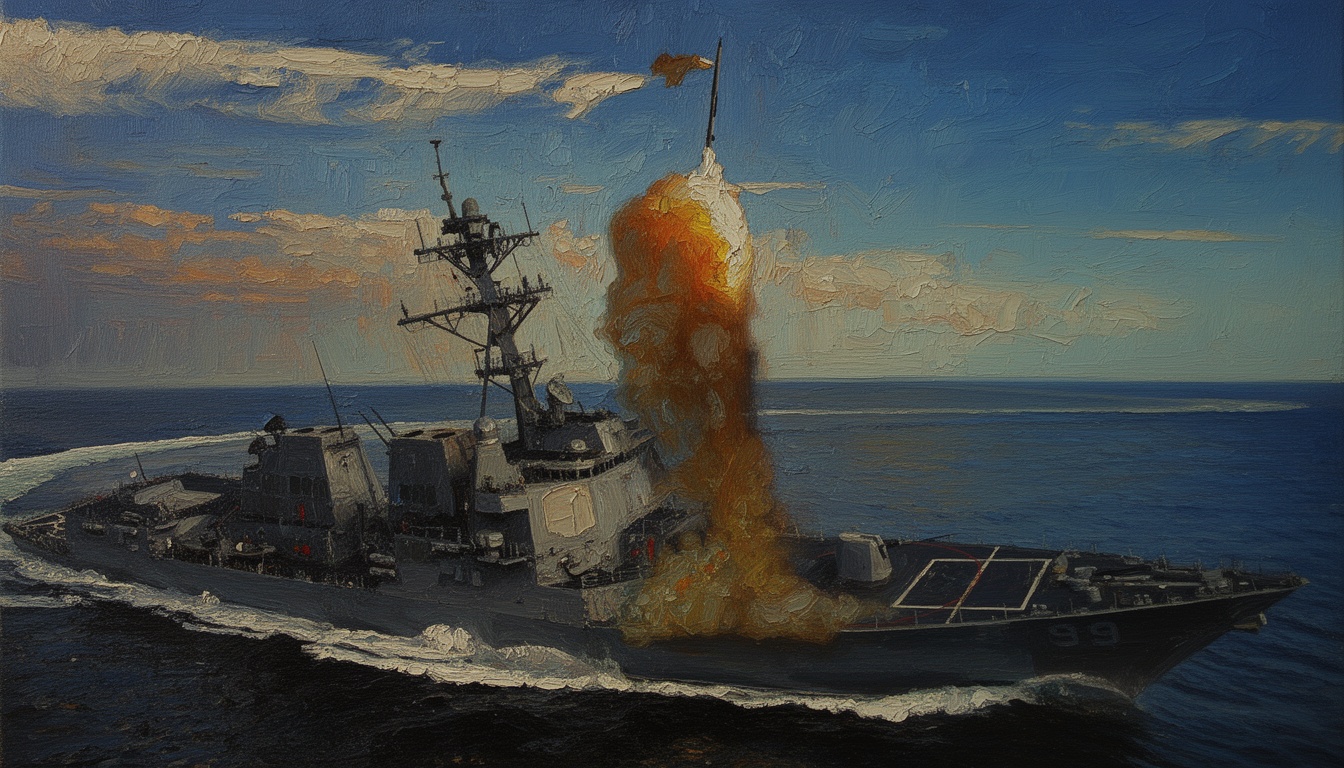
Patriot PAC-3 Missiles To Arm Navy Arleigh Burke Class Destroyers
The U.S. Navy contracted integration of PAC-3 MSE with the Aegis Combat System and plans to procure 405 missiles in FY2027. This enhances last-line defense for Arleigh Burke cruisers and flotilla air defense. The program signals a continued push to modernize missile defense across fleet assets.
The U.S. Navy is moving forward with integrating the Patriot PAC-3 MSE missile into the Aegis Combat System aboard Arleigh Burke-class destroyers. The contract covers the integration work to ensure seamless interoperability between the Patriot's hit-to-kill capability and the Aegis engagement framework. The service has also signaled an intent to purchase 405 missiles in Fiscal Year 2027, placing a major order to sustain inventory and readiness. This combination of integration and procurement indicates a reinforced layer of defense against ballistic and cruise missiles for high-end surface combatants.
Background: The PAC-3 MSE is a mobile, hit-to-kill variant designed to defend against short- and medium-range ballistic threats. Aegis, as the combat system for the destroyers, provides integrated air and missile defense with multi-mission tracking, discrimination, and engagement planning. The pairing of PAC-3 MSE with Aegis would extend the Navy’s protective envelope, potentially enabling a broader, layered defense for carrier strike groups and regional fleets alike. This move fits within a longer trend of consolidating critical air defenses across naval platforms to reduce gaps in contested environments.
Strategic significance: Deploying PAC-3 MSE on Arleigh Burke destroyers strengthens the U.S. fleet’s exposure to advanced missile threats from state and non-state actors. It improves defensive redundancy at the fleet level and enhances deterrence in regions with high ballistic-missile risk. The program also signals industrial commitments to the PAC-3 family and the U.S. defense-industrial base, ensuring continued production capacity and supply resilience for allied navies pursuing similar integrations.
Technical/operational details: The integration involves software updates to the Aegis Combat System and connectivity between the Aegis weapons-control architecture and Patriot fire control. The planned 405 missiles in FY2027 reflects a substantial procurement to replenish or expand stocks in anticipation of continuing demand for shoot/strike capabilities. While specific platforms to receive the missiles have not been disclosed, the effort targets Arleigh Burke-class destroyers as the initial integration track, followed by potential broader fleet adoption.
Forward assessment: If completed on schedule, the integration could reshape fleet air-defense postures by enabling cross-domain engagement options and improving resilience against salvo attacks. It may influence allied navies to seek similar cross-system compatibility, reinforcing interoperability in collective security arrangements. The combination of upgraded software, expanded stocks, and demonstrated commitment to layered defense will shape naval deterrence and regional risk calculations for years to come.