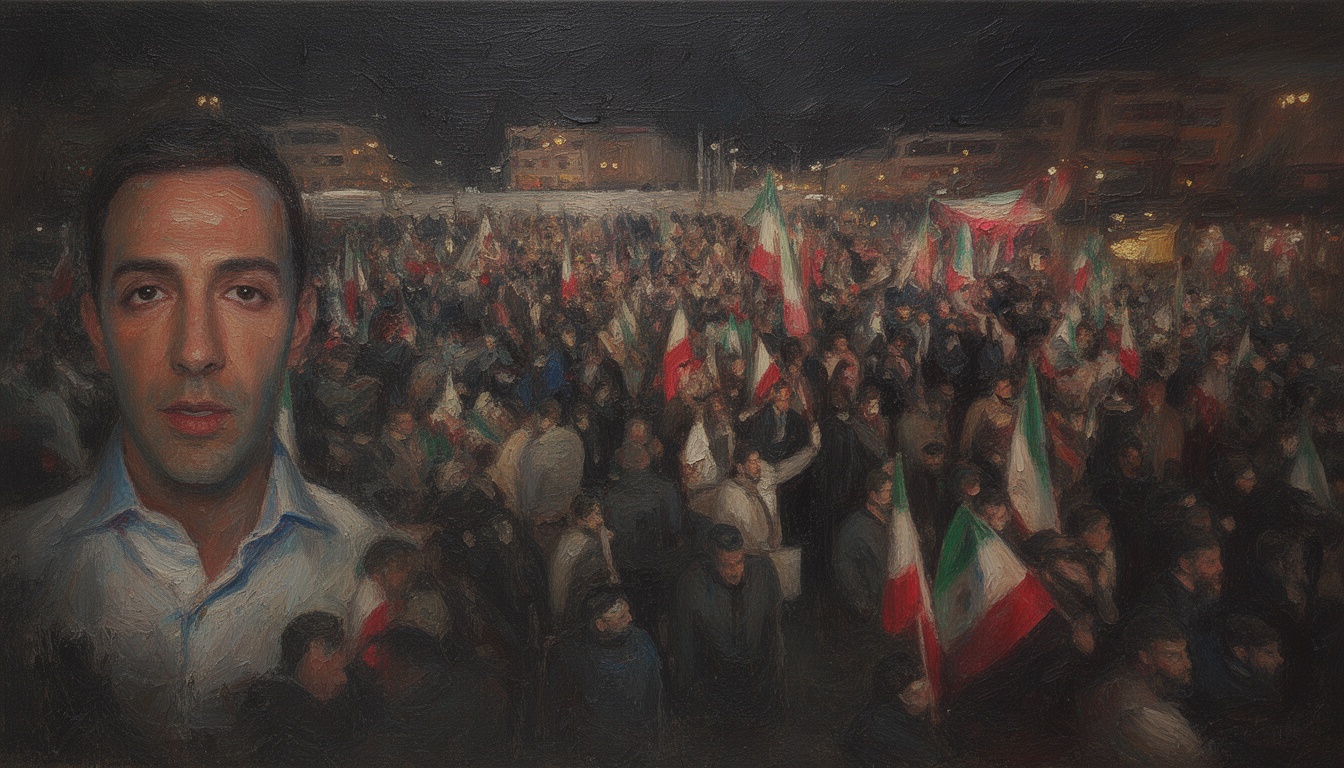
'Pakistani military calling the shots: Has connections with IRCG, very good relationship with Trump'
Iran’s conflict has empowered hardline Revolutionary Guard factions, altering internal power dynamics. Pakistani military ties with Iran’s IRGC and strong US relations add complexity to regional influence and strategy.
Iran’s ongoing conflict has led to a significant power shift within the Islamic Republic’s leadership, reinforcing the role of hardline factions led by the Revolutionary Guard Corps (IRGC). Despite US claims of military victory, Tehran views survival against overwhelming force as a major success. This dynamic has reshaped Iran’s political hierarchy, amplifying the IRGC’s influence over domestic and regional policies.
The changes follow a trajectory where conservative elements tighten control amid geopolitical pressures. Analysts note that the Revolutionary Guard’s growing prominence affects Iran’s approach to regional conflicts and its confrontation with Western powers. Additionally, new insights reveal a complex relationship between the Pakistani military and the IRGC, underscoring Islamabad’s strategic positioning in the evolving regional landscape.
Pakistan’s military reportedly maintains strong ties with the IRGC, sharing intelligence and operational interests. Furthermore, Islamabad’s previously established positive relations with the Trump administration indicate a multifaceted regional power matrix, blending cooperation and rivalry among major military actors. This intersection affects balance and stability in South Asia and the Middle East.
The IRGC’s increasing dominance involves enhanced control over Iran’s missile programs, paramilitary forces, and foreign interventions. With Pakistan’s military engagement in the region, the strategic interplay between these forces highlights potential shifts in alliances and influence spheres. The US perspective emphasizes military achievements but often overlooks the enduring political realignments within Iran and its neighbors.
Looking ahead, the empowerment of hardline groups such as the IRGC suggests prolonged authoritarian resilience and heightened regional contestation. Pakistan’s dual connections with the IRGC and US officials could either mediate tensions or complicate diplomatic efforts, affecting the trajectory of Middle Eastern and South Asian security environments.