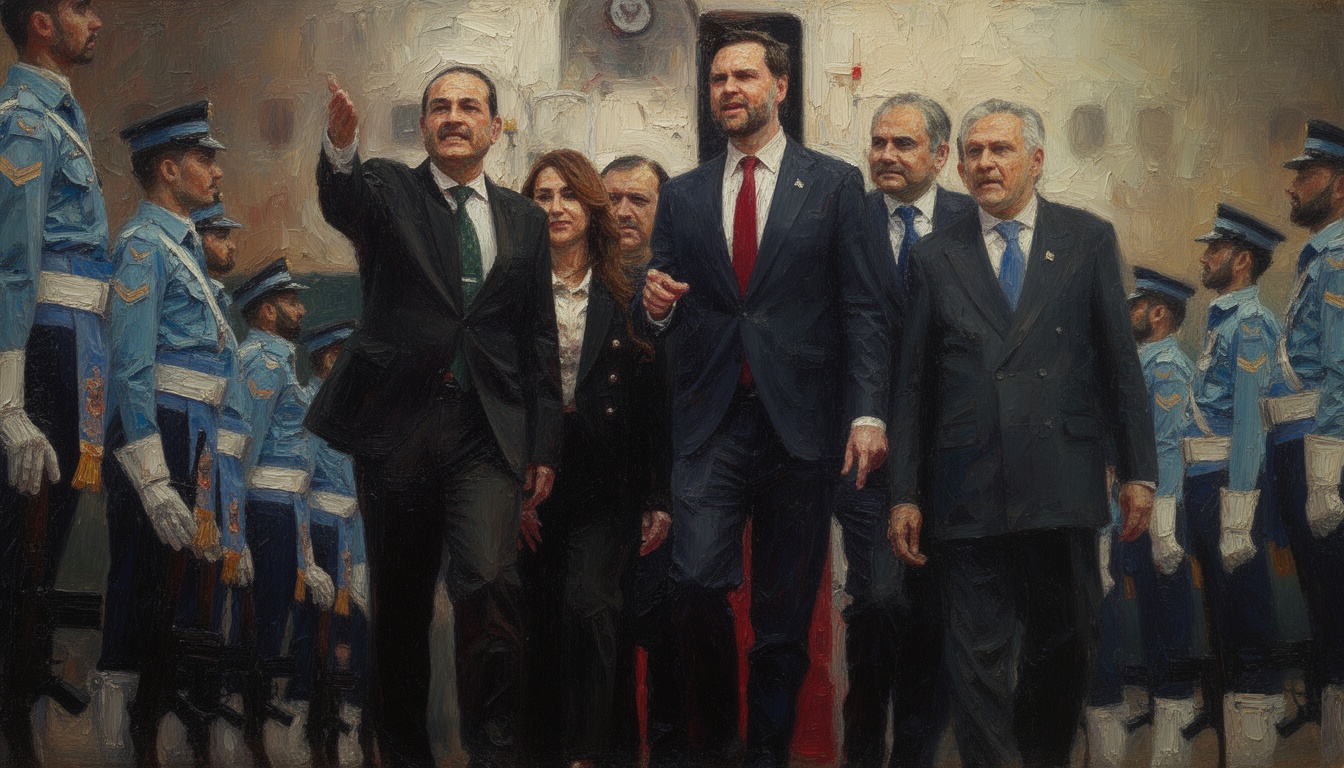
Pakistan mediates to shield Gulf states as US-Iran talks resume
Pakistan pushes to keep Gulf monarchies out of a renewed US-Iran diplomacy cycle. Islamabad hosts a second round of talks and pressures amid undefined outcomes. The mediation aims to preserve regional stability while the US-Iran dialogue restarts, potentially redefining security alignments in the Gulf.
Pakistan is maneuvering to shield the Gulf monarchies as the United States and Iran prepare to resume diplomatic talks. Islamabad is hosting a second round of negotiations and leveraging its position as a regional intermediary to pull the Gulf states away from direct confrontation. The diplomatic push comes as both sides signal a possible renewal of talks by week’s end, according to a well-placed source familiar with the discussions. Pakistani mediators are reportedly seeking mechanisms to keep the Gulf states in a stabilizing role rather than active participants in any return to coercive strategies. The outcome remains contingent on the substantive content of the US-Iran talks and regional reactions to any progress.
The broader background is a multi-year cycle of high-stakes diplomacy where the Gulf states have warned against destabilizing moves while seeking to preserve their security guarantees. Islamabad’s effort to broker de-risking steps aligns with a long-running Pakistani foreign policy objective of balancing great-power competition in South and Central Asia. The resumption of talks amplifies the risk-and-reward dynamic for Gulf monarchies, which rely on a framework of security assurances from Western partners and a cautious approach to Iran’s regional ambitions. The Zee-like tension surrounding these negotiations underscores deep-seated regional concerns about escalation and deterrence.
Strategically, the mediation underscores Pakistan’s aim to position itself as a trusted intermediary capable of shaping security outcomes for major regional players without becoming entangled in a renewed confrontation. The Gulf states stand to gain if the talks yield constraints on Tehran’s regional influence while preserving their own security calculus. Washington’s willingness to restart dialogue together with Tehran signals potential shifts in cross-border threat assessments, from ballistic missiles to maritime security. Islamabad’s role could become pivotal if it translates diplomatic openings into verifiable de-escalation steps in the Gulf.
On the technical side, the ongoing process features back-channel diplomacy, confidence-building phone calls, and multi-lateral coordination among regional actors. A second confidence-building phone call in a week between Iranian interlocutors and their Gulf-related counterparts is cited as a gauge of impending progress. The exact content of these communications remains undisclosed, but sources indicate both sides seek to limit misperceptions and to create a sequence of verifiable commitments. If sustained, the dialogue could reshape force postures, defense trade, and alliance calculus across the Gulf.
The likely consequences point to a period of political recalibration in the Gulf and broader regional security architecture. Should the talks advance, Gulf monarchies may reduce exposure to direct confrontation while pursuing deterrence-enhancing capabilities. Conversely, stalled negotiations could harden lines and trigger a reassertion of security guarantees from external partners. In the near term, expect intensified diplomacy, greater transparency demands, and nuanced messaging aimed at reassuring domestic audiences and foreign allies alike.