Pakistan Emerges As Major Nuclear Threat Alongside Iran, North Korea
Pakistan has been newly classified as a significant nuclear threat comparable to Iran and North Korea, with intelligence warnings highlighting its ICBM capabilities potentially reaching the United States. This reclassification marks a critical shift in global strategic balances and intensifies concerns over South Asia's nuclear landscape.
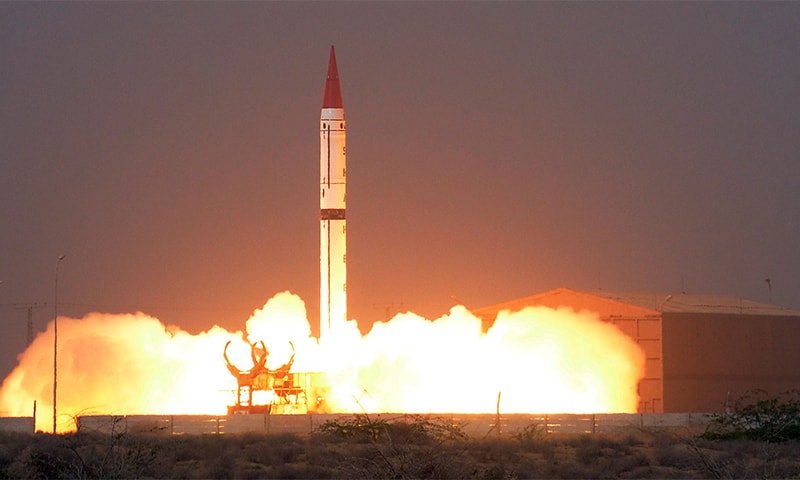
Pakistan now joins Iran and North Korea as major nuclear threats, with the U.S. Director of National Intelligence (DNI) explicitly warning that Islamabad’s Intercontinental Ballistic Missiles (ICBMs) could reach American territory. This signals a marked escalation in Pakistan’s strategic threat profile beyond its traditional regional focus.
For over two decades, the U.S. grappled with uncertainty over Pakistan’s role in the ‘War on Terror,’ oscillating between viewing it as a partner and suspecting duplicity. Pakistan was previously designated as a Major Non-NATO Ally, a status that underscored its strategic importance, yet recent intelligence reports have exposed growing risks tied to its nuclear ambitions.
Strategically, the inclusion of Pakistan alongside Iran and North Korea as a principal nuclear threat redefines the global security environment. The expansion of Islamabad’s missile capabilities threatens to extend the reach of South Asian nuclear conflict beyond regional bounds, forcing other major powers to reconsider their defense postures and diplomatic strategies in Asia and beyond.
The technical concerns focus on Pakistan’s development and testing of longer-range ballistic missiles reportedly capable of striking targets up to several thousand kilometers away, including potential ICBM-class systems. The disclosure hints at accelerated investment in advanced missile technology that complicates regional stability and arms control efforts.
Looking forward, this recalibration of Pakistan’s threat level is likely to provoke heightened military vigilance and possible arms race dynamics within South Asia. International actors will need to closely monitor Islamabad’s evolving strategic capabilities while balancing diplomatic pressures to prevent escalations or proliferation of nuclear weapons in the region.