Pakistan edges India in Iran diplomacy with China’s backing
Diplomatic maneuvering over Iran's crisis reshapes regional power dynamics. Islamabad’s diplomacy, aided by Beijing, appears to outflank New Delhi as Washington fails to secure terms with Tehran. The broader implications touch India’s strategic depth and China’s growing influence in South Asia.
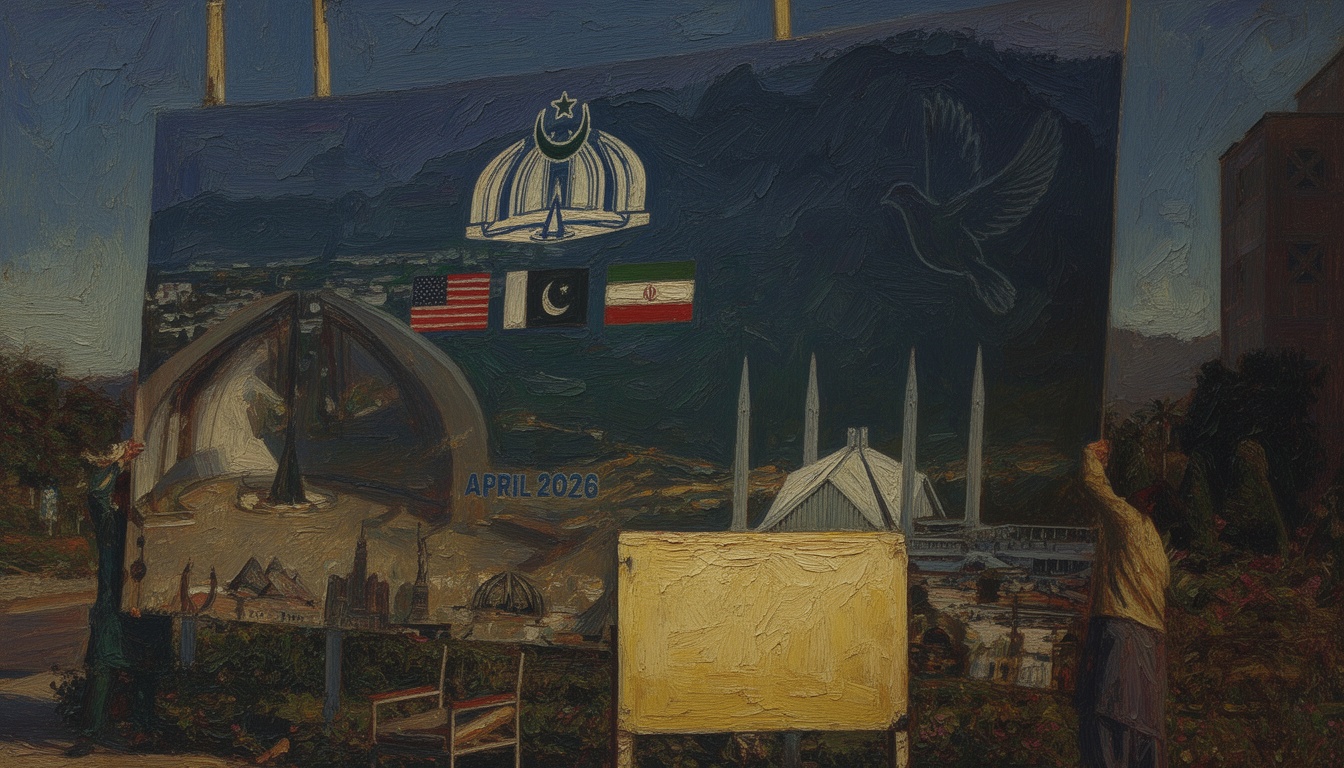
Pakistan publicly outmaneuvered India in a high-stakes Iran diplomacy push, leveraging a closed-doors process in Islamabad with visible Chinese backing. After more than 20 hours of talks at the highest levels, US Vice-President J.D. Vance stated Washington and Tehran left the talks without a deal. Tehran reportedly rejected U.S. terms on its nuclear programme, underscoring the deep strategic rifts that block durable diplomatic solutions to the crisis.
The venue of the negotiations—Islamabad—signals a shifting center of gravity in South Asian diplomacy. India has long been viewed as a globally networked actor in the region, maintaining ties with Washington and regional partners. The Pakistan-Iran-China alignment, with implicit Western disengagement on a nuclear-issues track, indicates a broader realignment that could influence maritime, energy, and security calculations across the Arabian Sea and the Persian Gulf.
Strategically, the outcome narrows the space for a quick breakthrough and raises the profile of China as a mediator-capable power in Iran-related diplomacy. New Delhi’s maneuvering in such a China-enabled corridor may complicate India’s options to influence Tehran without triggering regional pushback. The diplomatic push also tests Washington’s ability to salvage a nuclear deal framework while managing regional rivals and allies alike.
Technically, the discussions centered on Iran’s nuclear programme scope, verification provisions, and potential economic incentives. The talks featured senior diplomats from Pakistan, Iran, and China, with the United States and other partners watching closely from a distance. Observers expect a long, cold negotiation phase that will require credible guarantees and visible concessions from multiple actors to regain traction.
Looking ahead, the immediate consequence is heightened skepticism about a rapid settlement and a rebalanced regional balance of power. For India, the evolving dynamics could compress diplomatic space and compel new alignments with or against Tehran’s approach. Over the longer term, China’s role as an active broker in Iran-related diplomacy may sharpen, affecting energy security, maritime chokepoints, and regional deterrence calculations.