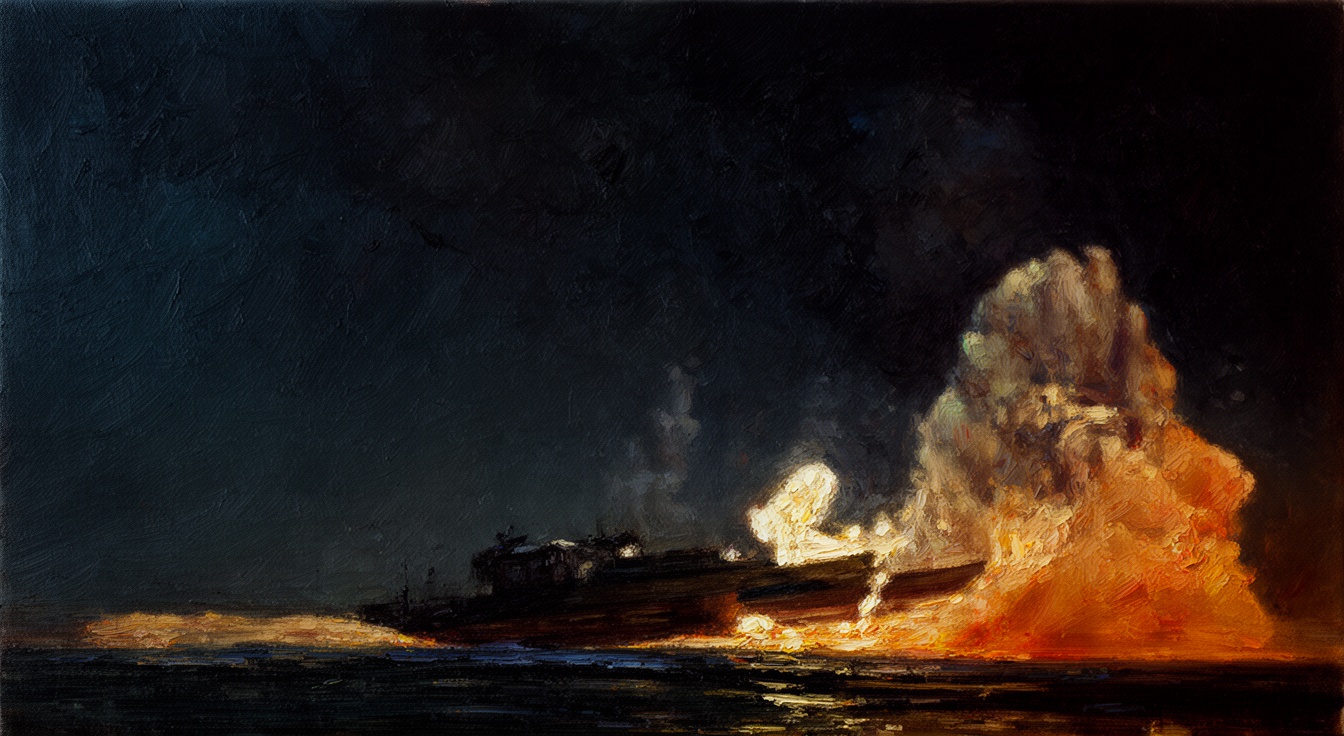
Over 200 Iranian sailors repatriate after US torpedo attack
An Iranian vessel Iris Dena was struck by a U.S. torpedo, killing 104 people. More than 200 sailors stranded abroad have now returned home. The incident escalates regional tensions and raises questions about rules of engagement and maritime safety.
The core development is blunt: a U.S. torpedo attack on the Iranian vessel Iris Dena killed 104 people, and more than 200 Iranian sailors became stranded abroad. Survivors who had been repatriated were among those returning home. The situation immediately escalated maritime tensions and drew sharp international scrutiny over accountability and the conduct of naval forces in regional waters.
Background: The Iris Dena was operating in a contested sector when the attack occurred, triggering rapid diplomatic condemnations and a flurry of short-term mobilizations by Iran and its allies. This incident comes amid broader regional flashpoints and ongoing debates over freedom of navigation, maritime security guarantees, and American military posture in the Persian Gulf. International partners urged restraint while investigators began collecting evidence from the scene.
Strategic significance: The attack underscores a high-stakes clash between major powers over sea lanes that feed regional trade and energy markets. If the strike is confirmed as an intentional act, it could harden force postures, accelerate defense doctrine shifts, and prompt allied nations to re-evaluate risk exposure in chokepoints and contested channels. The incident also tests alliance cohesion on sanctions, retaliation options, and crisis management.
Technical/operational details: The Iris Dena reportedly sustained a torpedo hit that caused catastrophic damage. The ship’s casualty toll stands at 104, with more than 200 sailors initially stranded offshore or aboard rescue vessels before repatriation arrangements were completed. Precise weapon designation, platform origin, and engagement rules remain under investigation, with statements pending from both Tehran and allied capitals.
Consequences and forward assessment: Repatriation of the survivors marks a temporary de-escalation in immediate maritime tensions, but the underlying dispute over maritime safety and accountability persists. Analysts expect Iran to pursue diplomatic avenues while increasing deterrent postures near critical sea-lanes. The broader risk remains: similar incidents could trigger escalations, complicating diplomacy, civilian shipping, and regional stability.