Opening Strait of Hormuz Risks Major Regional Conflict, Analysts Warn
Attempts to forcibly open the Strait of Hormuz could ignite significant military confrontations impacting global energy security. Experts emphasize the strategic dangers of underestimating Iran’s control over this critical chokepoint.
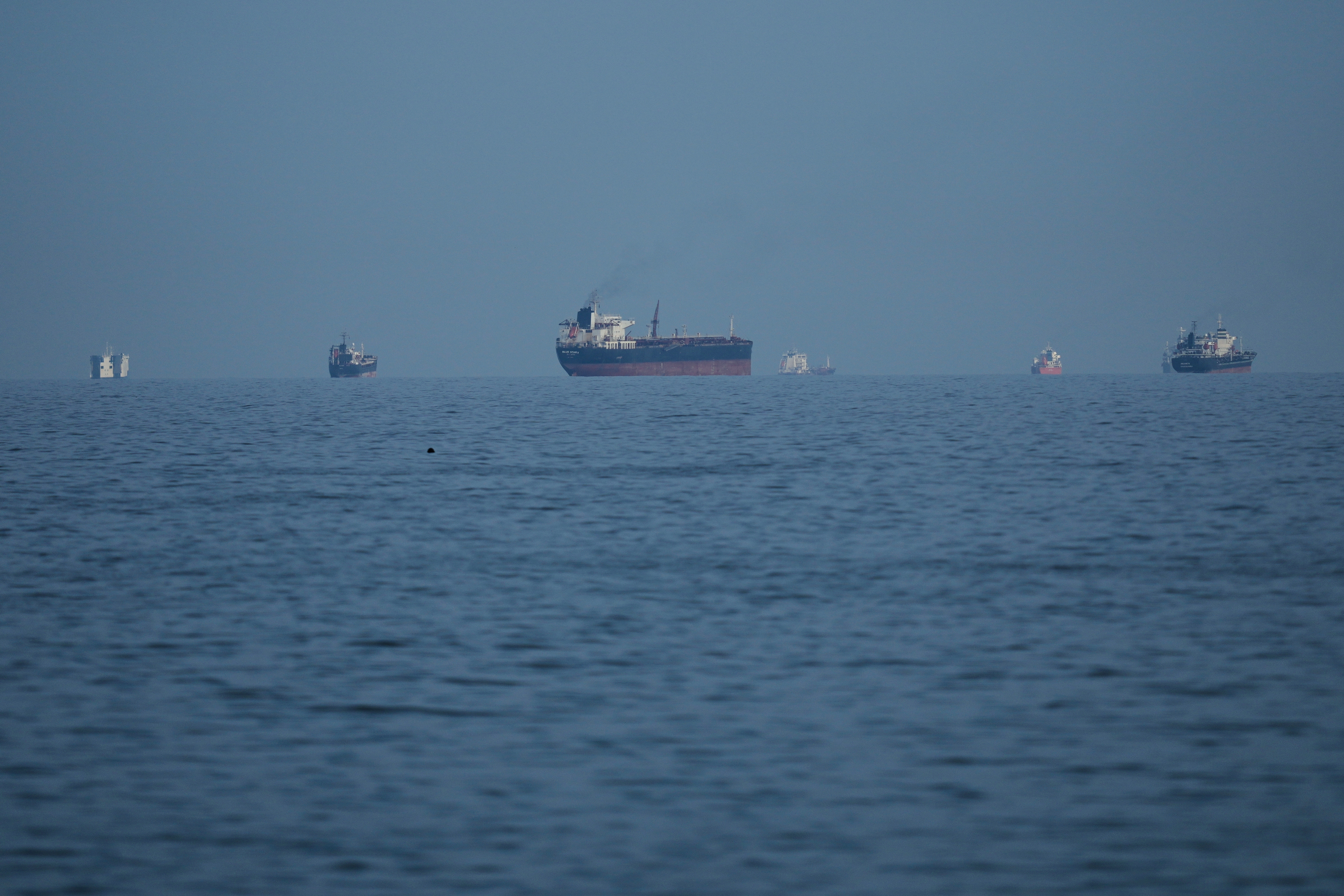
The prospect of forcibly opening the Strait of Hormuz, a vital artery for global oil shipments, presents escalating risks of military conflict. Analysts warn that such a maneuver would directly confront Iranian forces determined to control this crucial maritime passage.
Iran has frequently threatened to close the strait in response to international sanctions and military provocations. The narrow waterway channels about 20% of the world’s petroleum exports, making it a linchpin in global energy markets and strategic calculations.
The strategic significance of the Strait of Hormuz cannot be overstated. It is a choke point that, if blocked or contested, would instantly disrupt global oil supplies, driving up prices and potentially sparking wider security dilemmas involving major powers like the United States, China, and Russia.
Technically, the strait is approximately 21 nautical miles wide at its narrowest, limiting naval maneuvering space. Iran operates advanced coastal missile batteries, fast attack craft, and anti-ship cruise missiles designed to control and deny passage to adversaries. Any attempt to force open the channel would risk rapid escalation into armed clashes.
Looking forward, analysts project that calling the operation a “simple maneuver” dangerously underestimates both Iranian military capabilities and geopolitical complexities. The risk is not only regional war but also destabilization of global energy markets and increased military tensions among great powers.