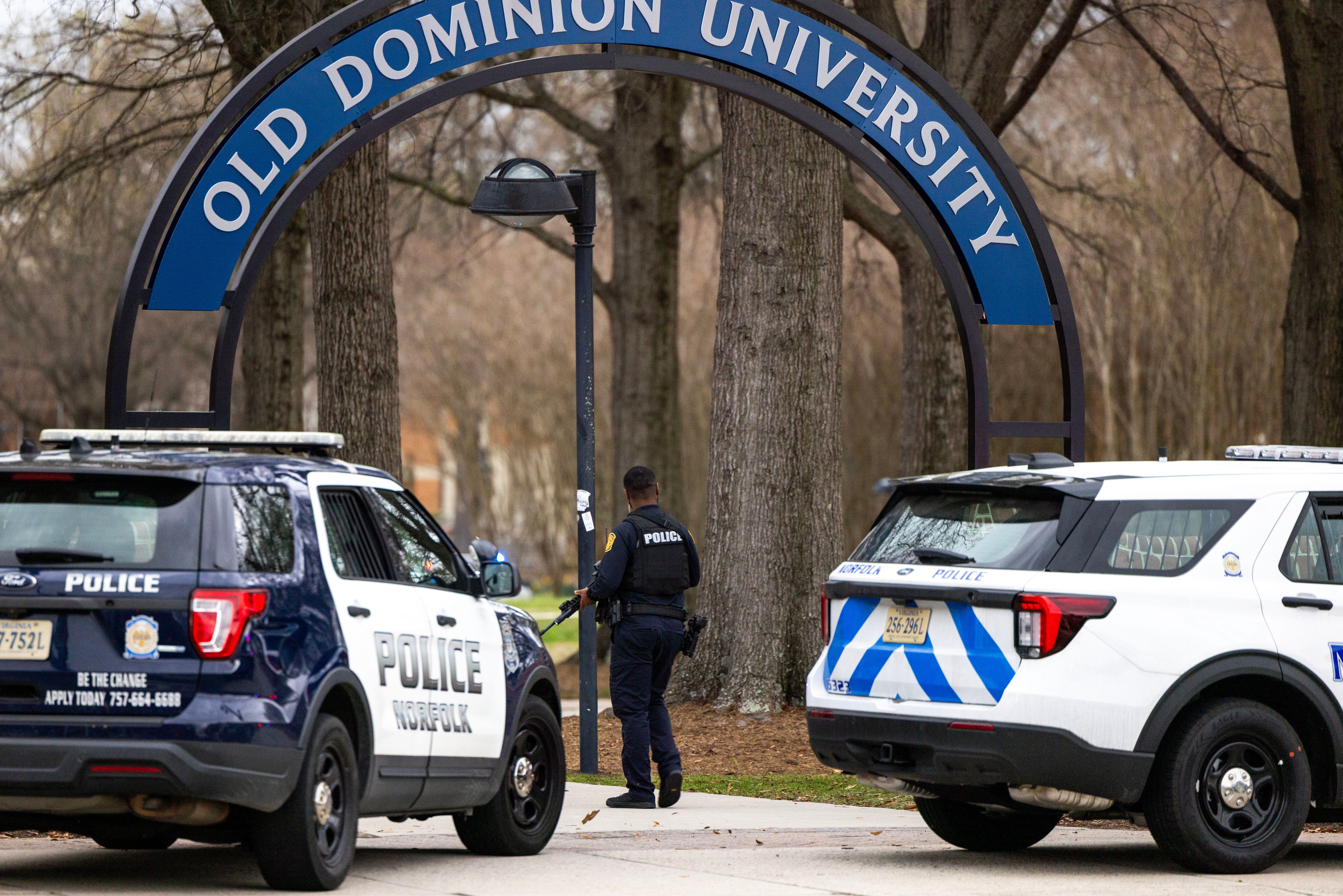
Old Dominion Shooting Suspect: Ex-Army National Guard Terror Convict
A former Army National Guard member, already convicted for terror-related offenses, is charged in a new shooting incident, raising urgent questions over domestic security and military vetting processes. This case underscores persistent threats from extremist ideologies infiltrating military ranks.
An ex-Army National Guard member has been identified as the suspect in a shooting incident at Old Dominion University. The individual, previously convicted in 2016 for attempting to provide material support to the Islamic State, raises serious alarm about the vetting and monitoring processes of military personnel with extremist ties. This alarming development has escalated concerns surrounding domestic terrorism and military accountability.
The suspect's background is particularly troubling, as he pled guilty to serious charges involving Islamic State activities. His military training and access to weapons amplify fears of a potential insider threat from former service members who may still harbor extremist views. The intersection of military service and terrorism represents a growing risk in an increasingly volatile domestic security landscape.
This incident signals a significant risk for U.S. national security, as it highlights the potential for radicalized individuals within the military community to commit acts of violence. The implications of homegrown terrorism are severe, particularly in light of rising militant ideology and the challenges law enforcement faces in identifying such threats. The question remains: how many more military-connected individuals may pose similar dangers?
Key actors in this situation include military oversight bodies and domestic counterterrorism agencies. Their real motivation lies in addressing the growing fears of extremism within ranks and ensuring the safety of civilian populations. The challenge will be to balance veterans' rights and freedoms while preventing potential threats from those who have already demonstrated a propensity for violence.
From a tactical perspective, the suspect's military experience may grant him a significant advantage in operational planning and execution, creating heightened concerns about his ability to access firearms and carry out attacks. Surveillance and intelligence operations may need to be reevaluated to counteract any potential network of extremists that could form among former military members. Given the increasing complexity of post-service lives, the financial implications of reintegrating troops with extremist history may strain resources intended to support public safety.
In the aftermath of this incident, we must assess the potential consequences, including stricter military vetting protocols and an increase in monitoring military personnel after service. The likelihood of escalated tensions among community members and increased scrutiny over military affiliations is high, raising the stakes for all veterans.
This situation echoes historical patterns of radicalization among former service members, notably cases such as the Oklahoma City bombing, where military training was utilized for domestic terrorism. The connection between military experience and extremist behavior is a dangerous precedent, demanding immediate attention from relevant authorities.
Going forward, intelligence agencies will need to enhance monitoring systems for veterans with criminal backgrounds or extremist ties. The intersection of military service and domestic terror requires urgent oversight, raising critical indications of potential future threats. Observers should watch for policy changes and potential crackdowns on individuals exhibiting signs of radicalization within military communities.